

MV Hondius accidents and incidents
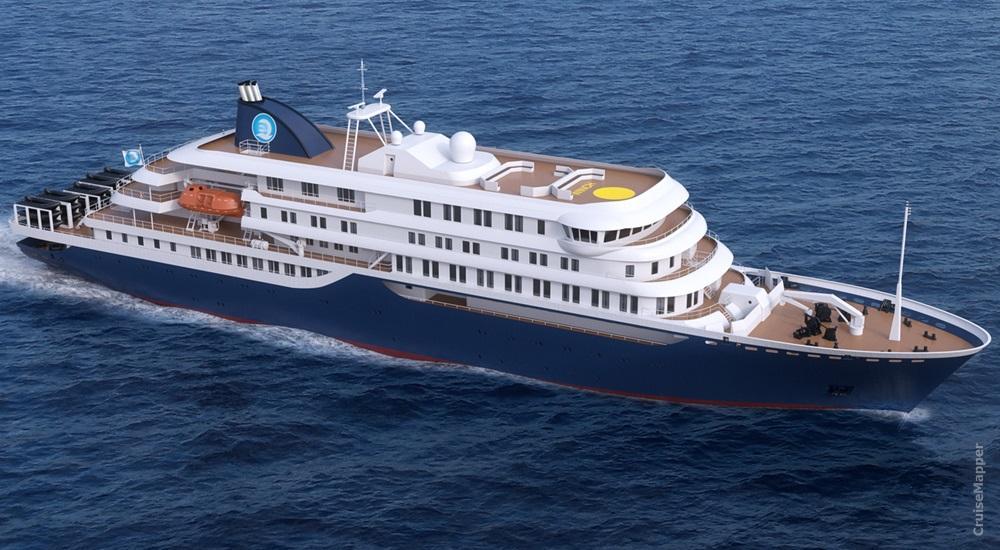
CruiseMapper's MV Hondius cruise ship accidents, incidents and law news reports relate to a 196-passenger vessel owned by Oceanwide Expeditions (Small Cruise Lines). Our MV Hondius accidents page contains reports made by using official data from renown online news media sources, US Coast Guard and Wikipedia.
Here are also reported latest updates on cruise law news related to ashore and shipboard crimes still investigated by the police. Among those could be arrests, filed lawsuits against the shipowner / cruise line company, charges and fines, grievances, settled / withdrawn legal actions, lost cases, virus outbreaks, etc.
- deaths - 3 (hantavirus outbreak in 2026)
April 2026Cruise Illness / Virus OutbreaksA deadly outbreak of Andes-strain hantavirus aboard MV Hondius evolved into one of the most serious infectious-disease incidents in modern expedition cruising. It resulted in three passengers dead, multiple others infected across several countries, and raised potential legal and regulatory questions for Oceanwide Expeditions. The vessel departed Ushuaia, Argentina, on April 1st for a Transatlantic cruise titled "Odyssey of the Atlantic". According to company statements and WHO-linked reporting, the ship carried 114 passengers and 61 crew members. According to epidemiological reconstructions published by WHO-linked trackers, AP, El País and OceanwideExpeditions itself, the likely “patient zero” — an elderly Dutch passenger — is believed to have contracted the hantavirus during pre-cruise birdwatching tour in Argentina before embarkation. Key chronology (local times and UTC)1 April — Hondius departs Ushuaia, Argentina (UTC−3 / 03:00 UTC reference region). 6 April — First passenger develops fever, headache and gastrointestinal symptoms while at sea. 11 April — First onboard death reported: the Dutch passenger dies aboard the vessel in the South Atlantic. 15 April — Ship physician reportedly identifies a cluster of respiratory and fever symptoms among passengers. 24 April — Approximately 23–30 passengers disembark at Saint Helena before hantavirus confirmation, later becoming a major controversy because travelers dispersed internationally without quarantine or notification. 26 April — A Dutch female passenger dies during transit home after disembarkation. 27 April — A British passenger is medically evacuated to Johannesburg, South Africa, and admitted to intensive care. 2 May — Laboratory PCR testing confirms Andes hantavirus infection. 4 May, 23:30 CET (21:30 UTC) — Oceanwide Expeditions issues a major press update confirming hantavirus identification and ongoing medical emergency aboard the ship while anchored off Cape Verde. 5 May, 17:00 CET (15:00 UTC) — Oceanwide confirms preparations for medical evacuations and acknowledges WHO investigations into possible human-to-human transmission onboard. 6 May, 19:15 CET (17:15 UTC) — Hondius departs Cape Verde for Tenerife after docking restrictions and negotiations with authorities. 7 May, 12:00 UTC — WHO-linked trackers listed five confirmed cases, three suspected cases and three deaths linked to the voyage. 9 May (11:00 UTC) — arrival at Granadilla (Tenerife, Canary Islands, Spain) for epidemiological screening and controlled disembarkation. Four additional positive-tested passengers were reported - residents of the Netherlands (one), the UK (two), and from Switzerland (1). 10 May (Granadilla) MV Hondius docked at the industrial port of Granadilla under an unusually high-control public-health operation coordinated by Spanish authorities, WHO-linked teams and Oceanwide Expeditions. Most remaining passengers disembarked under medical supervision and began controlled repatriation to home countries. Reports described PPE use, medical screening, and segregated transport procedures designed to minimize local exposure. Disembarked tourists entered various forms of monitoring, self-isolation or quarantine depending on national rules and exposure status. 10–12 May (repatriation and secondary monitoring) Following debarkation, passengers dispersed to multiple jurisdictions under coordinated tracing programs. Additional symptomatic cases reportedly emerged during repatriation and early post-return monitoring. Health agencies globally were managing exposed travelers through contact tracing, clinical surveillance, and precautionary isolation measures. WHO officials warned that further cases remained epidemiologically plausible because some exposures predated strict containment aboard the vessel. 11 May — Hondius departed Tenerife carrying only a reduced complement (25 crew members and 2 medical personnel), sailing toward Rotterdam. Two additional passengers tested positive, to total 7 confirmed cases. 12 May - One Spanish passenger (repatriated) tested positive and was hospitalized in Paris, in critical condition. 15 May - One elderly Canadian passenger (repatriated to Victoria BC) tested positive. May 18 - Hondius arrived at Port Rotterdam. Upon arrival, specialist response teams wearing protective equipment boarded the ship to start quarantine and decontamination procedures. The remaining crew entered quarantine upon debarkation, with those unable to return immediately to their home countries housed in temporary accommodation facilities established within the port area. According to Rotterdam's Director of Public Health, no crew members had so far displayed symptoms associated with the virus. Testing and weekly medical monitoring continued throughout the quarantine period. Following debarkation procedures, the ship underwent a full decontamination, including specialist cleaning and disinfection of all staterooms, technical spaces, and public areas. Hondius underwent an assessment on May 29th and, on May 30th, received formal approval to restart cruises. The WHO officially reported 11 cases linked to the outbreak, including 9 lab-confirmed infections. The deceased were a Dutch couple (70-yo/died on April 11th and 69-yo/died on April 26th) and a German (65-yo/died on May 2nd). The outbreak became a global concern because it involved the Andes strain of hantavirus, one of the few variants known to allow limited person-to-person transmission under close-contact conditions. WHO officials indicated the leading hypothesis is that the initial infection occurred on land before boarding, followed by limited shipboard transmission among close contacts. Health agencies became increasingly concerned after dozens of passengers disembarked in Saint Helena (UK) and later traveled internationally before the virus was confirmed. Confirmed or monitored contacts subsequently appeared in Switzerland, South Africa, the Netherlands, Singapore and the USA. The CDC issued a Level 3 monitoring advisory related to exposed travelers, while European and South African health authorities launched tracing programs. Two cruises (May 29-June 5, and June 5-13) were canceled due to cleaning. Criticism of Oceanwide ExpeditionsOceanwide Expeditions faced mounting criticism over the timing of notifications, medical management, and disembarkation decisions. Several reports alleged that passengers continued normal shipboard activities and shore excursions for days after severe symptoms and deaths had occurred. Questions raised by passengers, media and public-health observers include:
Oceanwide Expeditions defended its actions, stating that definitive hantavirus confirmation occurred only after laboratory testing in South Africa and that the company had coordinated continuously with WHO and relevant authorities. As of May 9th, no major lawsuit has been publicly filed against Oceanwide Expeditions. However, maritime-law specialists note several realistic legal pathways could emerge if evidence suggests delayed reporting, inadequate infection-control procedures, or negligence in passenger management. Potential areas of liability could include:
Whether such litigation succeeds would depend heavily on proving that Oceanwide breached recognized maritime-health standards or ignored evolving medical evidence during the voyage. Legal exposure may also be complicated by the voyage's multinational nature, involving Dutch registration (vessel's flag-state), Argentine embarkation, South Atlantic (British) territories, South African medical intervention, and eventual Spanish quarantine jurisdiction. As of May 9th, the cruise ship was proceeding toward Tenerife (Canary Islands) for controlled disembarkation and medical screening. WHO currently assesses the broader public-health risk as low, emphasizing that the Andes strain is significantly less transmissible than airborne respiratory viruses such as SARS-CoV-2. Still, the incident has already become a defining case study in post-pandemic maritime outbreak management — and may ultimately reshape health protocols for remote expedition cruising worldwide. |
You can add more details on reported here accident or submit new / your own MV Hondius ship incident ("Cruise Minus" report) via CruiseMapper's contact form.