

Abashiri (Japan Okhotsk)
Cruise Port schedule, live map, terminals, news
 49°F
49°F 
 Very Light
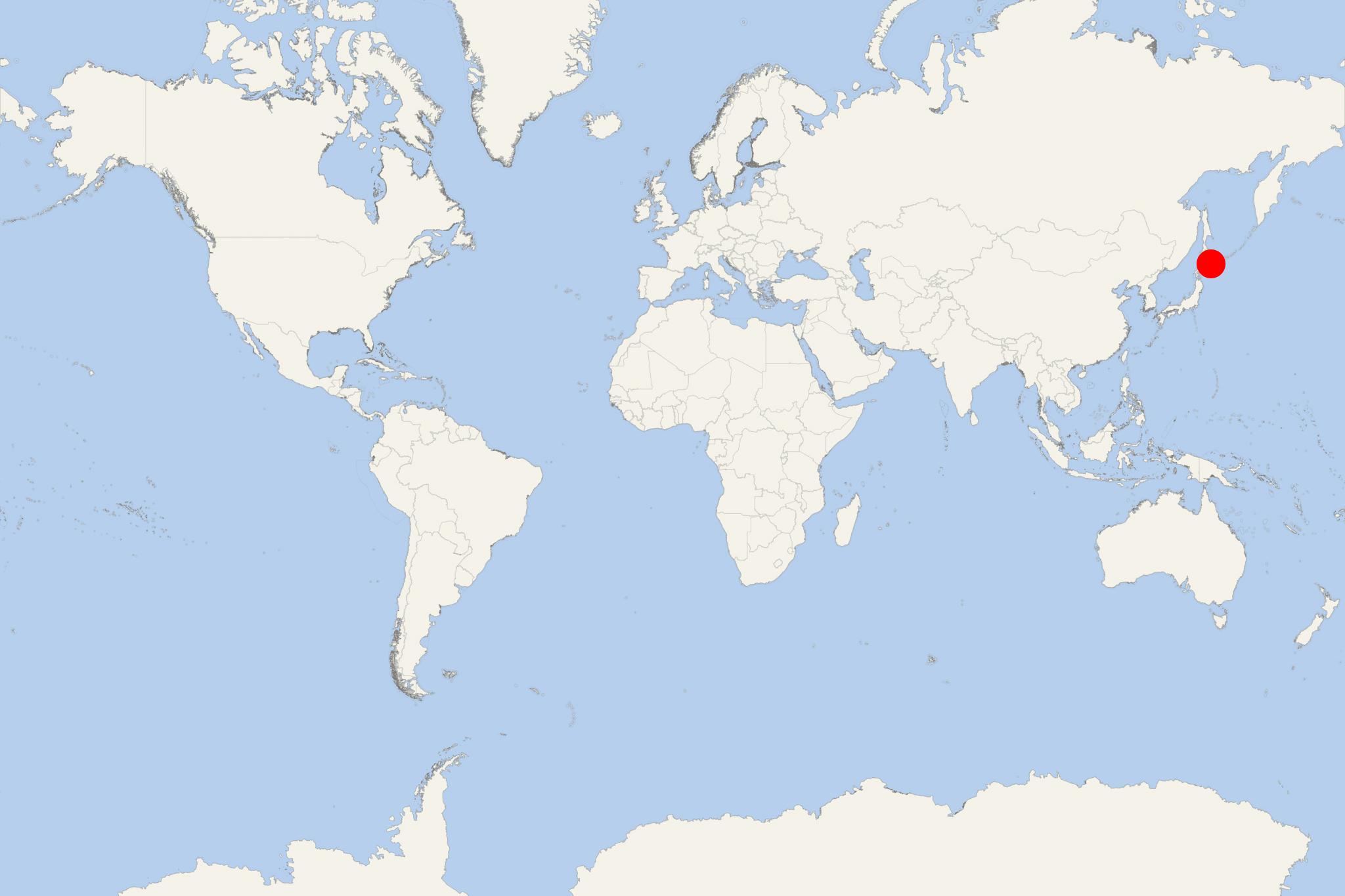
Abashiri (port locode JPABA) is a port city in Japan's Okhotsk Subprefecture (on Hokkaido Island) with population around 40,000. The city is served by trains (Abashiri Station) and domestic flights (Memanbetsu Airport, near Ozora).
Port Abashiri is in Okhotsk's eastern part, approx 50 km (31 mi) east of Kitami. The surrounding scenery lacks tall mountains and instead is marked by numerous low hills, the Abashiri River (flowing through the town), 3 lakes (Abashiri, Notoro, and Tofutsu) inside the city. The lakes and Mt Tento (height 207 m / 680 ft) are part of the Abashiri NP.
Because of the short growing season, crops in the region (oats, potatoes, beans) are required to be hardy. Hay is also grown as fodder for cows, horses, and sheep. The city's economy is also heavily dependent on commercial fishing, oysters farming and seaweed.
Despite the reputation for its extremely cold weather, Abashiri is not among Japan's coldest cities. It is actually less cold in the winter months than Obihiro and warmer during the summer than Kushiro or Nemuro. Abashiri obtains less precipitation than any other Japanese city because of its location on the drift-ice-affected Okhotsk Sea. Fogs are common during winter when Lake Abashiri freezes.
On Mt Tento is located the "Okhotsk Ryu-hyo Museum". The facility offers extensive information and real drift ice experience. The museum's basement level has the "Drift Ice Illusion Gallery" (with 5 large LED screens) featuring 3D drift ice show. The museum's "Drift Ice Experience Terrace" boasts a 100-ton ice pack preserved at temperature -15 C.
From Abashiri as cruise shore excursions are offered bus tours to Shiretoko National Park (on Hokkaido Island's northeastern tip). The National Park (NP) has land area approx 386 km2 (149 mi2), covers most of the Shiretoko Peninsula (one of Japan's most remote regions), and is the home of the country's largest population of brown bears. From the Peninsula can be seen Kunashir Island - part of Russia's Kuril Islands archipelago.
Abashiri cruise terminal
Often in the winter, Abashiri harbour closes due to ice-cover. Aurora 1 and Aurora 2 are Abashiri port-based icebreaker cruise ships offering sightseeing tours.
Tourists can not only see but get closer and even touch the ice on the locally famous "Abashiri Drift Ice Sightseeing" Icebreaker cruises around the city's ice sea. During the icebreaker cruise, passengers can hear the actual cracking of ice. Other option available on these tours are taking break on ice floes (ice floats / large packs of floating ice) and wildlife viewing (seals, Steller's sea eagles). These cruise tours are operated each year in the period late-January through early April.
Abashiri is a compact eastern Hokkaido port with several distinctive attractions close to the city, but the cruise berth is not directly in the sightseeing centre. Ships normally dock alongside at Abashiri Port rather than tender. Independent sightseeing is practical with a taxi or local bus, especially for the museums around Mt. Tento, while longer trips toward Shiretoko are better suited to organized excursions.
At a Glance
- Independent sightseeing: Independent with some planning or transport.
- Dock or tender: Ships normally berth alongside.
- Best short-call choice: Abashiri Prison Museum and Okhotsk Ryu-hyo Museum.
- Best nature option: Lake Tofutsu or a scenic drive along the Okhotsk coast.
- Long excursion: Shiretoko is possible on a long call, but an organized excursion is recommended.
- Walking: Central Abashiri is easy to explore on foot; Mt. Tento is hilly and better reached by bus or taxi.
Getting from the Cruise Port
Japan's official cruise-port guide lists No. 4 Wharf #2 as Abashiri's cruise berth. It is within the commercial port at Minatomachi, and the exact berth arrangements can vary with the ship.
JR Abashiri Station and Abashiri Bus Terminal are both approximately 10 minutes from the cruise berth by car. Walking from the ship into the sightseeing centre is not the most practical choice because the route begins within a working harbour area and uses ordinary port roads.
No permanent cruise shuttle should be assumed. Check the ship's information for any transfer provided on the day. Otherwise, a taxi is the simplest way to reach the city centre, Roadside Station Ryuhyo Kaido Abashiri or the Mt. Tento museums. The GO taxi-dispatch app also operates in Abashiri.
Once in central Abashiri, local buses become useful. The Tourist Facility Tour Line links Abashiri Bus Terminal and JR Abashiri Station with Abashiri Prison Museum, Okhotsk Ryu-hyo Museum and the Hokkaido Museum of Northern Peoples.
Best Ways to Spend Your Time
Abashiri Prison Museum
Allow 2–3 hours including transfers. This open-air museum is Abashiri's best-known attraction and preserves historic buildings from the former prison, including the distinctive five-wing wooden cell block. A quick visit takes about one hour, while roughly two hours is better for exploring the site properly.
The museum is on the lower slopes of Mt. Tento. From JR Abashiri Station, the sightseeing-facilities bus takes roughly 7–9 minutes. Taxi travel from the cruise port is also straightforward and is particularly useful when port time is limited.
Do not confuse the museum with the modern Abashiri Prison nearby, which remains an active correctional facility.
Mt. Tento and Okhotsk Ryu-hyo Museum
Allow 2–3 hours. The Okhotsk Ryu-hyo Museum stands on Mt. Tento, roughly 5 km (3.1 mi) from JR Abashiri Station. Its exhibits explain the Sea of Okhotsk's drift ice and marine life, including a chilled room containing real drift ice.
The rooftop observatory provides panoramic views toward the Sea of Okhotsk, Lake Abashiri and, in clear weather, the Shiretoko mountain range. The sightseeing bus from Abashiri Station normally takes about 12–14 minutes.
The Hokkaido Museum of Northern Peoples is nearby and focuses on the cultures of northern peoples including the Ainu and other Arctic and sub-Arctic communities. It can be added when the ship has a longer stay, but visiting all three major museums in detail can consume most of a port day.
Combine the Prison Museum and Mt. Tento
Allow about 4 hours. This is arguably the best independent itinerary for a normal Abashiri cruise call. Take a taxi or the Tourist Facility Tour bus to Abashiri Prison Museum, spend 1.5–2 hours there, then continue to the Okhotsk Ryu-hyo Museum for another 1–1.5 hours.
The sightseeing bus serves both locations, but its timetable should be checked before leaving the ship. A taxi gives greater flexibility and reduces waiting time when the port stay is short.
Lake Tofutsu and the Okhotsk Coast
Allow about 3–4 hours. Lake Tofutsu is approximately 12 km (7.5 mi) from central Abashiri and around 15 minutes away by car. The lake is a protected wetland known for migratory birds, with a Waterfowl and Wetland Center providing an easy introduction to the area.
Public buses serve the area, followed by a short walk from the nearest stop, but a taxi, private vehicle or organized excursion is more efficient for cruise passengers. This option works particularly well for visitors more interested in landscapes and wildlife than museums.
Self-Guided Central Abashiri Walk
Waterfront, Moyoro and Downtown
Distance: approximately 2 km (1.2 mi).
Pure walking time: about 35–45 minutes.
Recommended total time: 1.5–2.5 hours with stops.
Difficulty: Easy. Mostly level urban streets and waterfront paths.
Take a taxi from the cruise berth to Roadside Station Ryuhyo Kaido Abashiri rather than beginning the walk inside the commercial port.
- Roadside Station Ryuhyo Kaido Abashiri: Start at the waterfront tourism centre, where local information, food and souvenirs are available. The Aurora sightseeing boat also uses this complex during the winter drift-ice season.
- Abashiri River Mouth: Walk along the waterfront where the river enters the Sea of Okhotsk, with views across the fishing harbour.
- Moyoro Shell Mound Museum: Continue roughly 15 minutes to this archaeological museum built beside the remains of an important Okhotsk-culture settlement.
- Abashiri River: Cross back toward the central city and follow the river into the downtown area.
- Central Abashiri: Explore the compact shopping and restaurant streets around Minami 2-jo.
- Abashiri Bus Terminal: Finish near the bus terminal, from where a taxi can return directly to the cruise berth or a sightseeing bus can continue toward Mt. Tento.
This route works particularly well as a short independent visit or as an addition after one of the museums. Allow additional time for the taxi or other authorized transfer back through the port.
Seasonal Experiences
Drift-Ice Sightseeing
Abashiri is famous for sea ice arriving from the Sea of Okhotsk during winter. The Aurora drift-ice sightseeing vessel normally operates from the Roadside Station Ryuhyo Kaido Abashiri area from late January through March.
The presence and density of drift ice depend entirely on weather, winds and sea conditions, so it cannot be guaranteed. Cruise passengers visiting during the operating season should also make sure the boat timetable leaves sufficient time to return to their ship.
Summer and Early Autumn
During the warmer cruise season, the surrounding wetlands, coastal scenery and flower areas become more relevant than actual drift ice. The Okhotsk Ryu-hyo Museum still provides a drift-ice experience year-round, making it a useful alternative outside winter.
Shiretoko from Abashiri
Allow a full port day. Abashiri is promoted as a gateway to the Shiretoko Peninsula, but Shiretoko should not be treated as a nearby city attraction. Utoro, the main tourism base on the peninsula's western side, is approximately 75 km (46.6 mi) from Abashiri.
Public transport from Abashiri to Utoro takes roughly 1 hour 40 minutes under suitable connections, before any onward travel to places such as the Shiretoko Nature Center or Shiretoko Five Lakes. The transfer therefore consumes a substantial part of a cruise call.
Organized excursion recommended. A ship or pre-arranged private excursion is more practical than building a cruise-day itinerary around infrequent regional buses. Shiretoko is best attempted only when the ship has a long stay and the excursion schedule provides a comfortable return margin.
Practical Tips
- Confirm the day's berth and any cruise shuttle arrangements before leaving the ship.
- For a short call, concentrate on Abashiri Prison Museum and Mt. Tento rather than travelling deep into eastern Hokkaido.
- Check the Tourist Facility Tour bus timetable carefully; services are much less frequent than urban buses in a major Japanese city.
- A taxi is often worth using when combining two museums because it avoids waiting for the next bus.
- Mt. Tento is hilly, so walking up from lower bus stops or the city centre is not recommended for a time-limited visit.
- Weather on the Okhotsk coast can be cool and windy even when inland Hokkaido is mild. Carry an extra layer for viewpoints and waterfront walks.
- For Lake Tofutsu, Shiretoko or other out-of-town trips, allow a generous return margin for road conditions and transport delays.
- Plan to be back at Abashiri Port well before final boarding rather than relying on the last possible bus or train connection.