

Campeche (Campeche Mexico)
Cruise Port schedule, live map, terminals, news
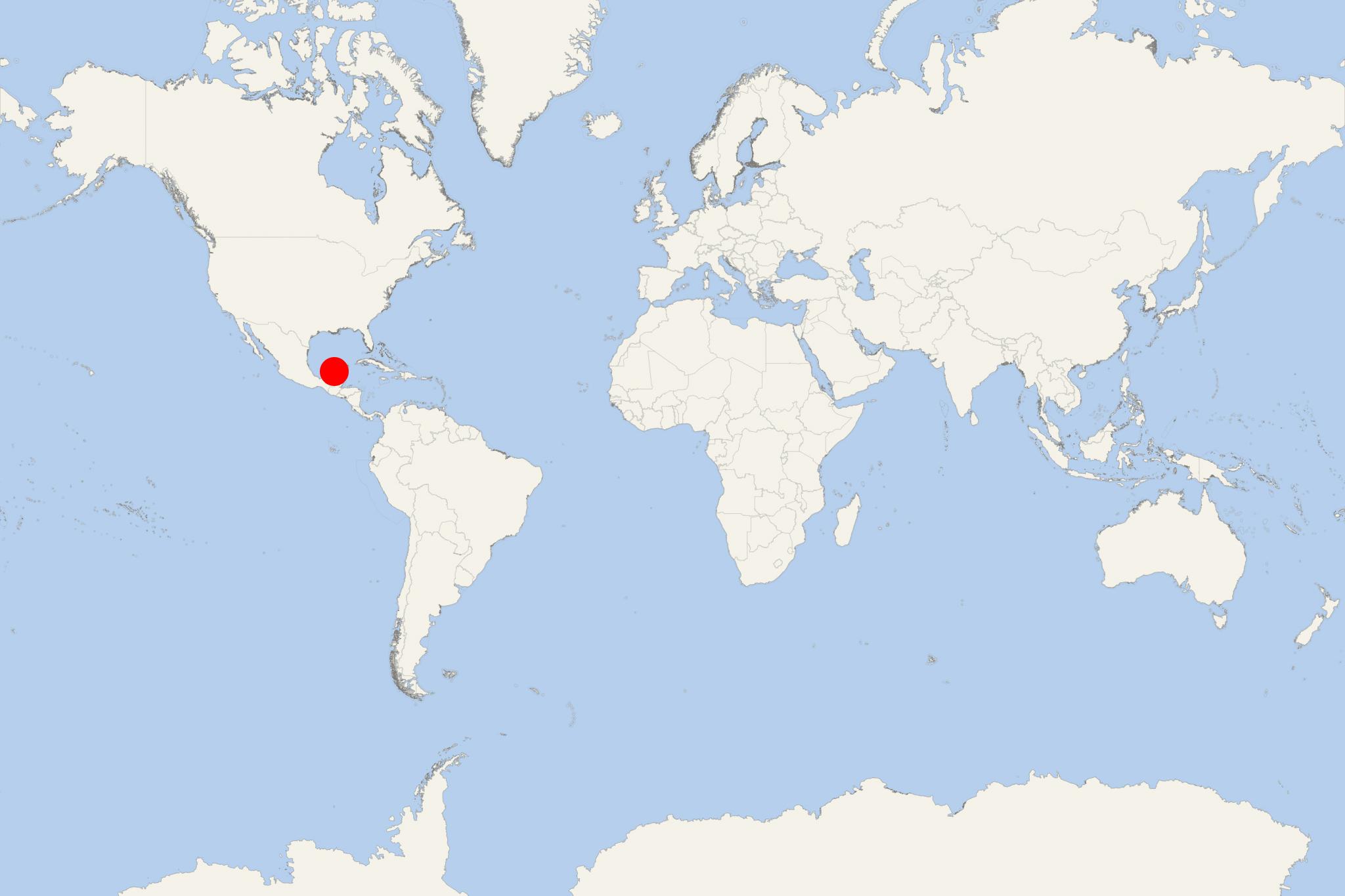
Region
Bahamas - Caribbean - Bermuda
Local Time
2026-10-23 19:40
 76°F
24.2°C
 Light breeze
2.2 m/s
 85 °F / 30 °C
66 °F / 20 °C
Campeche City (officially San Francisco de Campeche is a Caribbean port city in Mexico's Campeche State, on the Yucatan Peninsula/Gulf of Mexico. The state's capital has population around 220,000 (metro around 260,000).
Port Campeche (locode MXCPE) serves all types of marine vessels, including passenger/cruise ships, cargo carriers, container ships).
San Francisco de Campeche was founded in the mid-16th-century (1540, by the Spanish conquistador Francisco de Montejo y Alvarez/1479-1553) and built over the Mayan town Ah Kim Pech/Can Pech where the Spaniards landed in 1517. In 1526, Charles V (Holy Roman Emperor and King of Spain between 1519-56) granted Francisco de Montejo the noble title Adelantado and named him Governor and Captain General of Yucatan.
Due to its position on the Gulf of Mexico, the town became the Yucatan's main port and largest shipbuilding and commercial center, leading to an economic boom and growth in population. Campeche received city rights (granted by Carlos III) in 1777.
The current scenery features the colonial city walls and fortifications built in the 17th-18th centuries to protect the Spaniards against attacks from pirates and buccaneers (mainly Dutch and British) as well as from marauders. Other popular tourist attractions include the Campeche Malecon (esplanade/waterfront promenade street), the Campeche Cathedral (Our Lady of the Immaculate Conception Cathedral/Franciscan church), San Miguel Fortress, historic downtown (colonial architecture), Mayan ruins (the pre-Columbian archeological sites Acanmul, Edzna, Jaina). Since 1999, the city is listed as a UNESCO site.
Campeche City's current economy is heavily based on services (mainly tourism and commerce) and commercial fishing/processing.
Campeche is best treated as a gateway port rather than a walk-off city call. Cruise ships generally use the commercial port of Seybaplaya, around 30 km (18.6 mi) south of San Francisco de Campeche. Once transferred into the city, the compact UNESCO-listed historic center is easy to explore independently.
At a Glance
- Overall: Independent sightseeing is easy after reaching central Campeche, but advance transport planning is essential.
- Best short-call choice: The fortified historic center, Calle 59 and the waterfront.
- Best major excursion: The Maya city of Edzná.
- Terrain: Mostly flat in the old city, with steps at walls, bastions and forts.
- Mobility: Confirm gangway or tender arrangements with the cruise line; the commercial port environment and historic fortifications may present obstacles.
Getting from the Cruise Port
Check the ship’s daily information carefully because “Campeche” itineraries may use Seybaplaya rather than a berth beside the city center. Seybaplaya is an industrial and commercial port, not a practical starting point for walking into Campeche.
The road journey to the historic center is approximately 30–35 km (18.6–21.7 mi) and normally takes about 35–45 minutes, depending on the berth and traffic. Use a cruise-line transfer, organized excursion or prearranged vehicle. Do not rely on finding convenient public transport at the port gate. Confirm the exact return point and final departure time before leaving the transfer vehicle.
If the ship uses a different berth or lands passengers closer to Campeche, follow the onboard instructions rather than assuming the Seybaplaya arrangements apply.
Best Ways to Spend Your Time
Explore the Fortified Historic Center
Allow 2–4 hours. This is the most practical independent option. The pastel-colored streets, surviving walls, bastions and gates occupy a compact area that can be covered on foot. Priorities include Plaza de la Independencia, Campeche Cathedral, Puerta de Mar, Calle 59 and Puerta de Tierra.
The Museo de Arquitectura Maya inside Baluarte de la Soledad is a useful addition for visitors interested in Maya sculpture and regional archaeology. Museum access and operating days can change, so confirm locally before building the entire visit around it.
Combine the Old City with the Malecón
Allow 3–4 hours. After touring the fortified center, continue through Puerta de Mar to Campeche’s long waterfront promenade. It is suitable for a relaxed walk and Gulf views, but the Malecón is extensive; cruise visitors should explore only the central section rather than attempting its full length.
Visit Edzná
Allow approximately 5–6 hours from Seybaplaya. Edzná lies about 55–61 km (34.2–37.9 mi) southeast of Campeche city and contains broad ceremonial plazas, temples and the distinctive Five-Story Building. The archaeological area involves exposed walking over uneven ground with little relief from the heat.
A ship excursion or prearranged private tour is strongly recommended. Although local shared transport may operate from Campeche, its departure points, frequency and return arrangements are poorly suited to a tightly timed port call. Combine Edzná with an extensive city tour only when the ship’s schedule comfortably allows it.
Fort San Miguel and the Maya Archaeology Museum
Allow 1.5–2 hours plus transport. This hilltop fort southwest of the center offers defensive architecture, coastal views and an important collection of Maya artifacts. It is not a convenient walk from the old city, so use a taxi or include it in a guided city tour. Confirm that the museum is open on the day of the call.
Playa Bonita
Allow 2–3 hours plus transport. The nearest developed beach area is near Lerma, approximately 15 km (9.3 mi) from central Campeche. It requires a taxi or arranged transfer and is better suited to a longer call than a quick city visit. Campeche is primarily a cultural port; travelers seeking a guaranteed beach setup should confirm current access and facilities before leaving the ship.
Self-Guided Historic Center Walk
Distance: Approximately 2.5 km (1.6 mi)
Pure walking time: About 35–45 minutes
Recommended total time: 2–3 hours
Difficulty: Easy; mostly flat streets, with optional steps at the fortifications.
- Puerta de Mar: Begin at the former sea entrance to the walled city, a natural starting point if your transfer drops passengers near the waterfront.
- Baluarte de la Soledad: See the largest surviving bastion and, if open, visit the Museo de Arquitectura Maya.
- Plaza de la Independencia: Walk to the city’s main square, surrounded by arcades, civic buildings and Campeche Cathedral.
- Colorful side streets: Make a short loop through Calles 55, 57 and the adjoining blocks for the historic center’s characteristic low-rise facades.
- Puerta de Tierra: Continue to the land gate and inspect the surviving defensive works. Wall access may involve stairs and separate operating hours.
- Calle 59: Return through the old city along the street connecting Puerta de Tierra with Puerta de Mar.
- Central Malecón: If time permits, cross toward the waterfront for a short promenade before returning to the agreed pickup point.
Shade is limited, particularly around the waterfront and fortifications. Carry water, use sun protection and shorten the route in extreme heat. Allow enough time to locate the transfer vehicle rather than arriving at the pickup point at the last minute.
Practical Tips
- Keep the ship’s port contact details and the name of the exact berth or landing point with you.
- Confirm whether the return transfer departs from the same place where passengers were dropped off.
- Use Mexican pesos for small purchases; card acceptance should not be assumed everywhere.
- Wear light clothing, sun protection and comfortable shoes suitable for hot paving stones and uneven fortifications.
- For Edzná or any independently arranged drive, leave a substantial return margin for road delays and port procedures.
- If tendering is used, include the ship’s final tender time in the plan; it may be considerably earlier than the published sailing time.