

Cetate (Dolj, Romania)
Cruise Port schedule, live map, terminals, news
Region
Europe Rivers
Local Time
2026-10-17 02:55
 48°F
48°F 9.1°C
 Light breeze
2.3 m/s
 59 °F / 15 °C
 45 °F / 8 °C
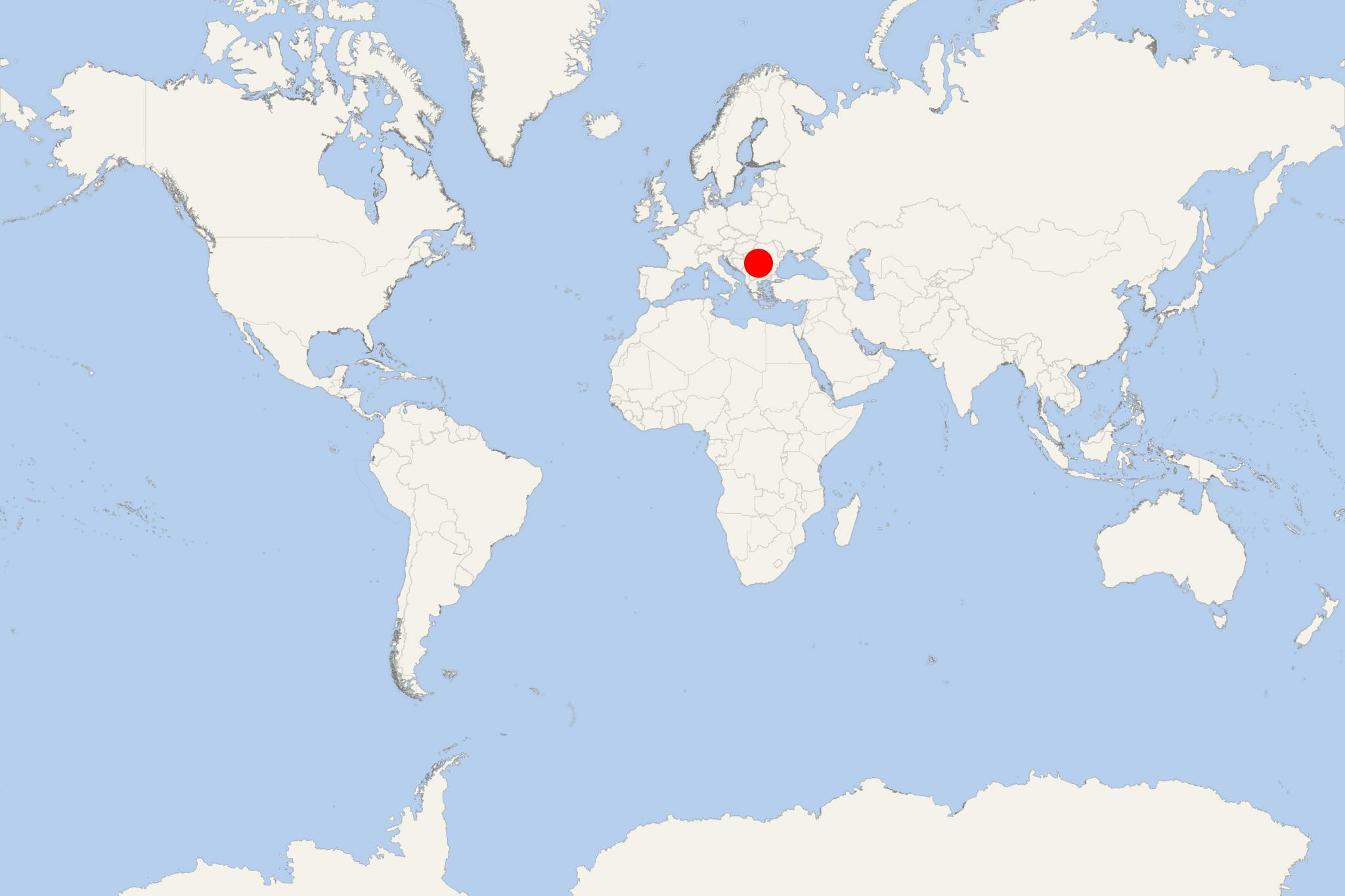
Cetate is a port town located in Dolj County, Romania. The manucipality has population around 6,000 and is composed of 2 villages - Moreni and Cetate.
During the Crimean War (October 1853 through March 1856), in January 1854 Cetate was the stage of a battle between the Russian garrison there and the Turkish army that was based in Calafat. This battle was indecisive, though the Turks could not capture the town.
At an auction in 1996, Mircea Dinescu Poetry foundation bought the administration building of former agricultural port on Danube River. That is how the deserted place started transforming into Cetate Cultural Port. Residence programmes for artists and writers, translation workshops, pottery camps and film-makers’ conventions brought together people from all over Europe and managed to succeed each other without a trace of panic and institutional pressure, most naturally. The remoteness of the site is beneficial for both artists in search of creative solitude and for the ones who, having gathered at the Danube, are inclined to concentrate on topics they all share.
This is a beautiful place, among the most bike friendly sites where tourists can camp (free of charge) or they can rent a room. Either way, the delicious traditional meals that the ladies from the kitchen cook for the hungry visitors, are not to miss.
The owner is a famous wine producer, so guests will be able to enjoy the appealing flavors of local wine.
Cetate is a small, rural Danube call centered on Port Cultural Cetate, a restored 19th-century grain port now used for art, food and cultural events. This is not a conventional town-sightseeing stop: most visits remain within the port estate and follow a cruise-organized program.
Independent sightseeing limited. The cultural port is enjoyable on foot, but Cetate village is 3 km (1.9 mi) inland, public transport is not practical for a short call, and the surrounding attractions require prearranged road transport.
Getting Ashore
River-cruise vessels call at the Cultural Port on the Romanian bank of the Danube. The exact landing arrangement can vary with the vessel and river conditions, so follow the cruise line’s instructions.
The historic buildings, gardens, art installations and riverside grounds are close to the landing area. No shuttle is normally needed for the port visit itself. Surfaces may include grass, gravel, uneven paths and steps rather than smooth urban pavements.
Best Ways to Spend the Call
Explore Port Cultural Cetate
Allow approximately 1.5–3 hours to explore the former grain-port buildings, leafy grounds and riverside setting. The complex hosts artists and cultural events and contains collections connected with regional art and traditions. What is accessible can depend on the program arranged for the ship.
Join a Food or Wine Experience
Cruise visits frequently focus on regional hospitality rather than conventional sightseeing. A scheduled program may include Oltenian dishes, Danube fish, local produce or Romanian wine. Meals and tastings should be treated as organized activities; the venue officially operates by reservation, so passengers should not assume that walk-in service will be available.
Relax Beside the Danube
The shaded grounds and riverbank are suitable for a quiet walk, photography and watching traffic on the Danube. A natural riverside beach lies near the port, but conditions and water levels vary. It is better regarded as a scenic stop unless the cruise line or local host specifically confirms that swimming is appropriate.
Visit Maglavit or Calafat
Maglavit is about 9 km (5.6 mi) from Cetate village and is known for its Orthodox monastery. Calafat, a larger Danube town opposite Vidin, is about 23 km (14.3 mi) by road from the Cultural Port. Neither is practical on foot, and local transport should be arranged in advance. For a short call, use the ship’s excursion or a confirmed private driver rather than relying on finding a taxi after arrival.
Self-Guided Port Walk
Cultural Port and Riverside Loop
- Begin at the river landing and view the Danube waterfront.
- Walk through the restored former port buildings.
- Continue among the sculptures, artworks and landscaped grounds.
- Visit any exhibition or ethnographic spaces opened for the cruise group.
- Follow the riverside path toward the natural beach area.
- Return through the gardens to the landing.
Distance: approximately 1–1.5 km (0.6–0.9 mi), depending on which areas are open.
Pure walking time: 20–30 minutes.
Recommended time: 1–2 hours with stops.
Difficulty: Easy, but expect some grass, gravel and uneven ground.
Practical Tips
- Wear comfortable footwear suitable for rustic paths rather than city pavements.
- Carry water and sun protection in warm weather; the riverbank can be hot away from the trees.
- Do not plan to walk into Cetate village unless there is ample time. The 3 km (1.9 mi) distance is along a rural approach and offers little additional sightseeing.
- Do not attempt an independent crossing to Bulgaria. Vidin is on the opposite bank and requires a substantial road detour via the international bridge, border documents and prearranged transport.
- Allow extra time to return if taking any road excursion. For the simplest and most reliable visit, remain with the ship’s Cultural Port program.