Baton Rouge (Louisiana)

Cruise Port schedule, live map, terminals, news
Rating:
Baton Rouge cruise port

Region
Canada and USA Rivers

Local Time
2026-09-11 15:10

min: 74 °F (23 °C) / max: 94 °F (35 °C) 91°F
32.9°C
Wind: 201°/ 1.7 m/s  Gust: 2.1 m/sWind: 201°/ 1.7 m/s  Gust: 2.1 m/sLight breeze
1.7 m/s
Min / Max Temperature94 °F / 35 °C
74 °F / 24 °C

Port Baton Rouge cruise ship schedule shows timetable calendars of all arrival and departure dates by month. The port's schedule lists all ships (in links) with cruises going to or leaving from Baton Rouge, Louisiana. To see the full itineraries (ports of call dates and arrival / departure times) and their lowest rates – just follow the corresponding ship-link.

DayShipArrivalDeparture
1 June, 2026
Monday
American Cruise Lines Cruises cruise lineACL American Serenade
5 June, 2026
Friday
American Cruise Lines Cruises cruise lineAmerican Splendor
5 June, 2026
Friday
American Cruise Lines Cruises cruise lineAmerican Heritage
10 June, 2026
Wednesday
American Cruise Lines Cruises cruise lineACL American Serenade
11 June, 2026
Thursday
Viking River Cruises Cruises cruise lineViking Mississippi
14 June, 2026
Sunday
American Cruise Lines Cruises cruise lineAmerican Heritage
15 June, 2026
Monday
American Cruise Lines Cruises cruise lineACL American Serenade
19 June, 2026
Friday
American Cruise Lines Cruises cruise lineAmerican Heritage

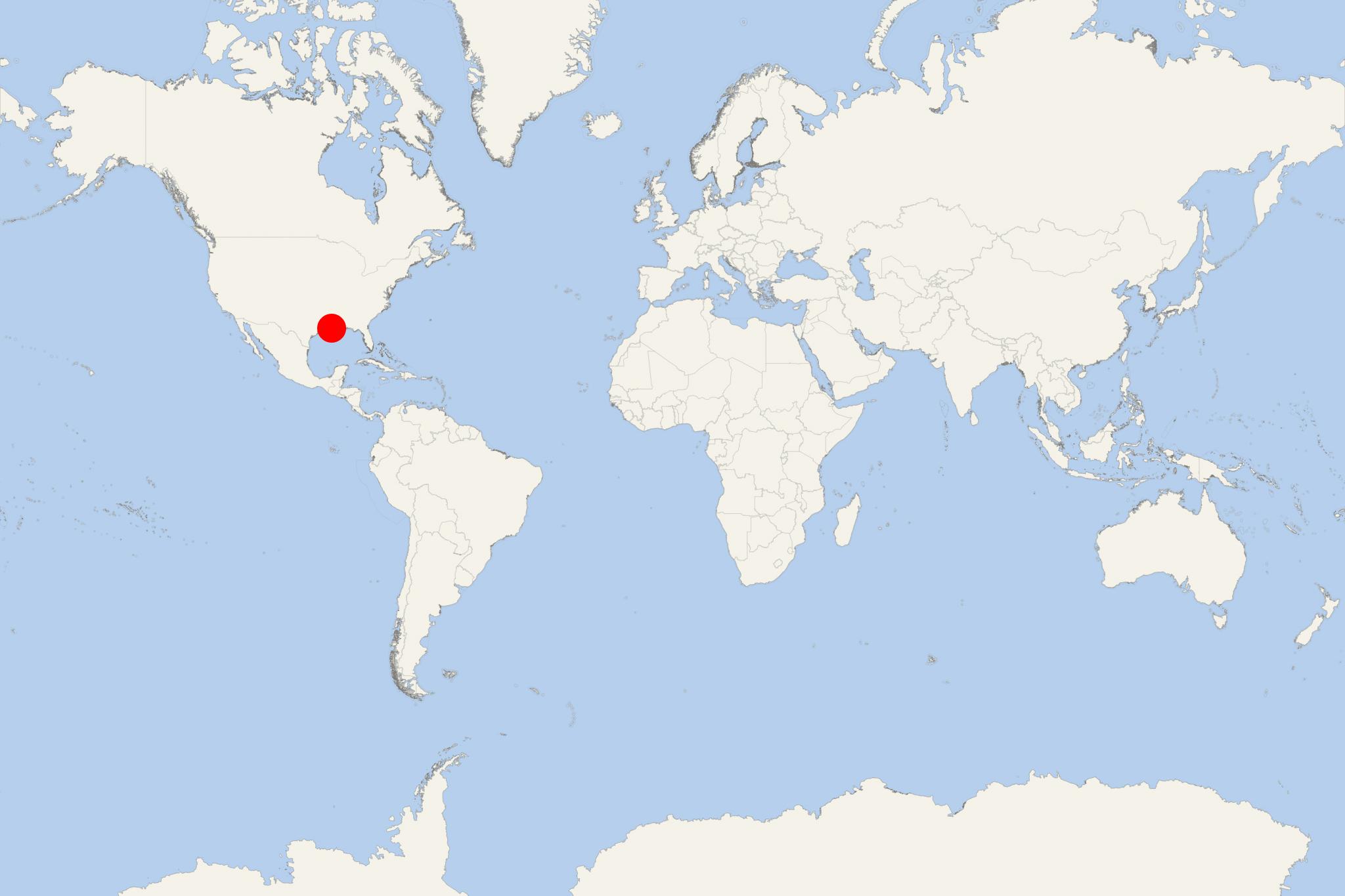
Baton Rouge LA is a Mississippi River cruise port and the capital city of Louisiana (USA) with population around 230,000 (urban 595,000, metro 830,000). The city is also Louisiana state's political hub and its second-largest metropolitan area (after New Orleans).

Baton Rouge is a major petrochemical, industrial, medical, motion picture, research and growing technology center of Southern USA. Port of Greater Baton Rouge is currently ranked the USA's 10th largest (by annual cargo shipping volumes/tonnage). It is also the farthest port upstream Mississippi River with capacity to handle Panamax cargo ships (DWT tonnage 52,500, LOA length 289 m / 950 ft), width 32 m / 106 ft).

The city owes its historical importance to the strategic site upon Istrouma Bluff. This enabled development of a business quarter that is safe from seasonal flooding. Additionally, the city built a levee system stretching from the bluff southwards. This series of dikes protect the low-lying agricultural areas and the city's riverfront. Baton Rouge was ruled by 7 different governments, including French, British, Spanish (colonial era), Confederate.

Baton Rouge is a college city with Louisiana State University, Southern University, Baton Rouge Community College, and Our Lady of the Lake College. All college students make approx 20% of the city population.


On August 1, 2020, the Louisiana state (Governor John Bel Edwards) signed an agreement with the US Army Corps of Engineers for deepening Lower Mississippi River from 45 ft (13,7 m) to 50 ft (15,2 m). The USD 250 million (~EUR 213 M) project will provide larger cargo ships (Post-Panamax vessels) with access to Port Baton Rouge, Port South Louisiana, St Bernard Port (Chalmette LA), Port NOLA (New Orleans) and Plaquemines Port (at Mississippi's mouth on Gulf of Mexico, near Belle Chasse LA). Project's funding included USD 81 million from LADOTD (Louisiana Department of Transportation and Development / state government organization).

The deepened Lower Mississippi (from the Gulf of Mexico to Port Baton Rouge) has length ~256 mi (412 km). The dredged from the river bed material (first 30 mi, near the river's mouth) will restore ~1462 acres (592 hectares / 6 km2) of critical marsh habitat.

Baton Rouge is a practical port for independent sightseeing when a riverboat docks at the downtown riverfront. The Old State Capitol, waterfront, museums and central restaurant district are all within walking distance. Attractions around LSU, historic houses and the surrounding countryside require a taxi, ride-hailing service or organized excursion.

At a Glance

  • Independent sightseeing: Easy in downtown; transport is needed for sights outside the center.
  • Typical arrival: River cruise vessels normally use a landing along the downtown Mississippi riverfront, but the precise berth can vary.
  • Best short visit: Old State Capitol, downtown streets and the riverfront.
  • Best longer visit: Add the current State Capitol and Capitol Park Museum.
  • Terrain: Downtown is compact, but the city stands above the river and routes from the waterfront include ramps or an uphill section.

Getting from the Riverboat Landing

Most central attractions can be reached on foot from the downtown waterfront. Depending on the assigned landing, the Old State Capitol and Louisiana Art & Science Museum may be only a few minutes away, while the current State Capitol is roughly a 20–30-minute walk.

There is no need to use a public bus for a simple downtown visit. Taxis and ride-hailing services are more practical for LSU, Magnolia Mound, the Rural Life Museum or other outlying attractions. Confirm the ship’s exact landing and any included shuttle arrangements before setting out.

Best Ways to Spend Your Time

Old State Capitol and Downtown

Allow 1.5–2.5 hours. Louisiana’s Gothic Revival Old State Capitol overlooks the Mississippi and contains a museum devoted to the state’s political history. Its stained-glass dome and cast-iron staircase make the interior particularly worthwhile. From here, explore North Boulevard, Lafayette Street and Third Street, where restaurants and cafés provide an easy lunch stop. Check the museum’s opening day before relying on an interior visit, as it is normally closed on Sundays and Mondays.

Louisiana State Capitol and Capitol Park

Allow 2–3 hours. Walk or take a short ride north to the Art Deco State Capitol, then continue through its landscaped grounds to Capitol Park Museum. The museum gives a useful overview of Louisiana’s history, music, industries and cultural traditions. The capitol building can be visited independently, but its observation deck is currently closed for renovations; verify its status if views are important to your plans.

Louisiana Art & Science Museum

Allow 1–2 hours. Housed in a former railway station beside the river, this is a convenient choice for families, poor weather or passengers who prefer minimal walking. Exhibits combine art, science and ancient artifacts, while planetarium presentations run at scheduled times. Opening days and hours are limited, so check the current program before leaving the ship.

USS KIDD Veterans Museum

Allow about 1 hour for the shoreside museum. The museum and memorial plaza stand on the downtown waterfront. The destroyer USS KIDD has been away from Baton Rouge for repairs, although its return has been anticipated. Confirm whether the ship itself is present and open; the shoreside Veterans Museum may remain available even when the vessel is absent.

Louisiana Food and Downtown Lunch

Allow 1–1.5 hours. Restaurants around Third Street, Lafayette Street and the downtown riverfront make it easy to sample gumbo, étouffée, fried seafood, po’boys or other Louisiana dishes without committing to a distant excursion. This works well alongside either capitol route.

Self-Guided Downtown Walking Tour

Riverfront and Two Capitols Route

Distance: Approximately 4 km (2.5 mi) round trip
Pure walking time: About 55–70 minutes
Recommended time with stops: 3–4 hours
Difficulty: Easy to moderate, with some ramps, uneven paving and a gradual climb away from the river.

  1. Riverboat landing: Begin on the Mississippi riverfront and note the precise return point.
  2. Louisiana Art & Science Museum: View the former railway station or visit if its opening hours fit the call.
  3. Old State Capitol: Walk up from the river to the castle-like former capitol and explore its museum when open.
  4. North Boulevard and downtown: Continue through the civic center toward Third Street, with an optional coffee or lunch stop.
  5. Louisiana State Capitol: Walk north to the current capitol and explore the public interior and grounds.
  6. Capitol Park Museum: Add the museum if time and opening hours allow.
  7. Return: Walk south through downtown to the riverfront, allowing at least 30 minutes from the Capitol Park area to reach the vessel comfortably.

For a shorter and easier version, turn back after the Old State Capitol and downtown lunch. This keeps the outing close to the river and reduces the route to roughly 1.5–2.5 hours.

Options Requiring Transport

Magnolia Mound

This historic Creole property lies south of downtown and is best reached by taxi or ride-hailing service. Allow about 2 hours including transport and confirm tour availability in advance. It can be combined with a brief drive through the LSU area, but walking there from the riverboat is not an efficient use of port time.

LSU Rural Life Museum

This open-air museum preserves historic buildings and interprets rural Louisiana life. It is well outside downtown, so arrange a return ride or use an organized tour. Allow approximately 3–4 hours including travel and the museum visit.

Plantation or Swamp Excursion

Plantation properties, wetlands and wildlife areas outside Baton Rouge require substantial road travel. An organized excursion is generally preferable because admission times, distances and return transport must be coordinated. Choose one main destination rather than trying to combine several remote sites during a standard call.

Practical Tips

  • Summer conditions can be very hot and humid; carry water and use sun protection.
  • Heavy rain and thunderstorms can develop quickly, making the nearby museums useful alternatives.
  • Check same-day opening hours, particularly on Sundays and Mondays when several museums may be closed.
  • Use a taxi or ride-hailing service for attractions beyond downtown and arrange the return before leaving a remote site.
  • Allow a sensible margin before departure, especially when returning from LSU, a plantation or a rural attraction.

Baton Rouge hotels