

Cayo Rico Cuba
Cruise Port schedule, live map, terminals, news
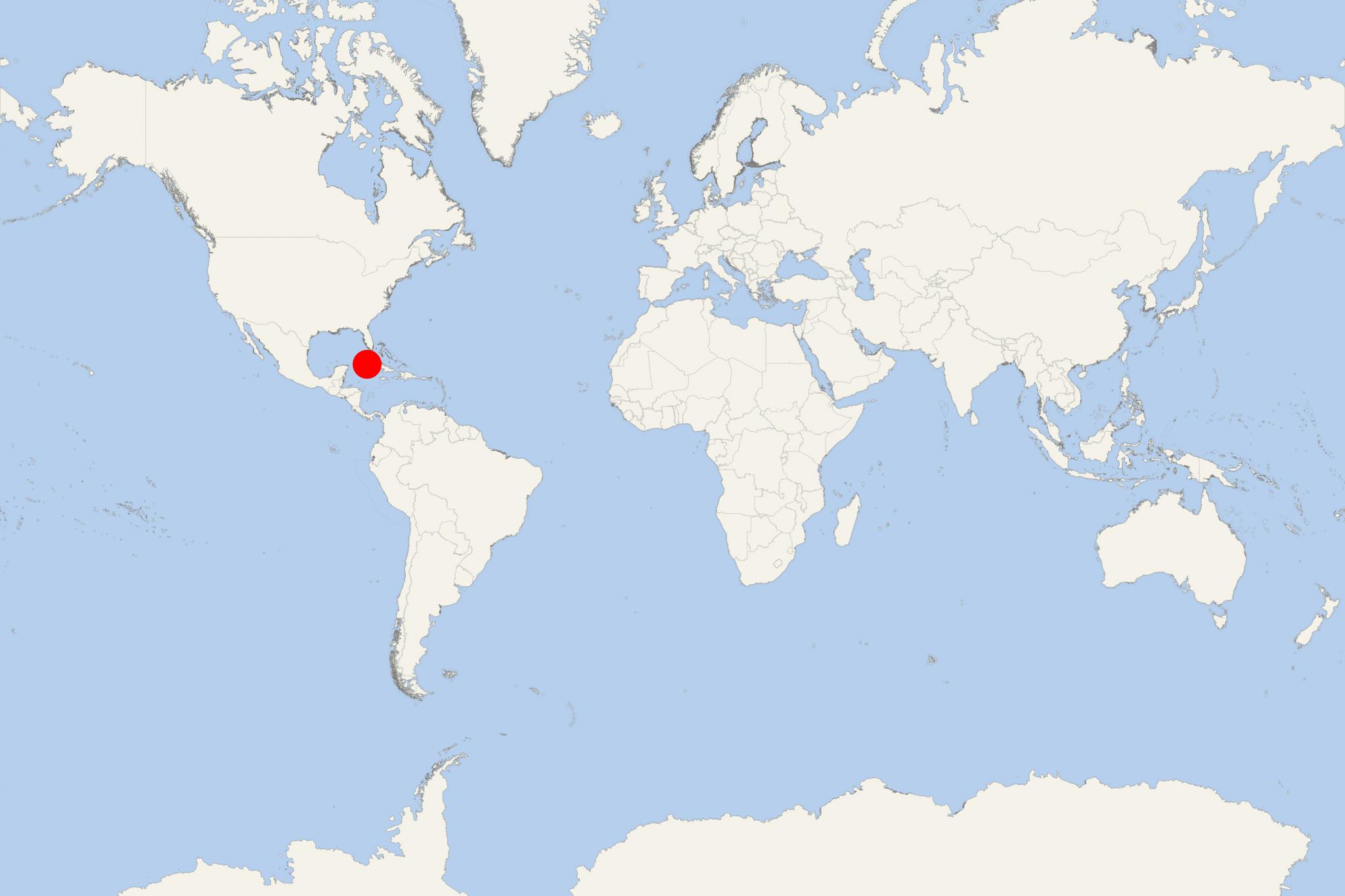
Region
Bahamas - Caribbean - Bermuda
Local Time
2026-10-05 04:16
 84°F
84°F 28.8°C

 Gentle breeze
4.7 m/s
 84 °F / 30 °C
 83 °F / 29 °C
Cayo Rico Island (aka Rich Island) is among Cuba's hidden gems. The small isle is located to the west of Cayo Largo Island.
This vacation destination is isolated and serene, the only way to get there is by boat. It is also home to unique population of green coves and iguanas that will allow you to feel “stranded on a deserted island”. After a day of splashing in the blue waves, make sure you sit on the Playa Sirena's white sand for a magnificent sunset.
Cayo Rico Cuba cruise terminal
Cruise ships to Cayo Rico Island dock (anchor) near Playa Sirena (Sirena Beach) on the western coast.
Cayo Rico is a small, largely undeveloped cay in Cuba’s Los Canarreos Archipelago, west of Cayo Largo. The call is primarily a beach and nature experience rather than a conventional port visit. There is no town, road network or public transport, and activities depend heavily on sea conditions and the arrangements made by the ship.
At a Glance
- Arrival: Ships and sailing vessels normally anchor offshore, with passengers transferred ashore by tender or another small boat.
- Independent sightseeing: Limited. Once ashore, the beach and immediate natural surroundings can be explored independently, but reaching other islands or reefs requires an organized boat activity.
- Main experiences: Beach time, swimming, wildlife viewing and, when offered, guided snorkeling.
- Facilities: Very limited compared with a resort port. A simple beach restaurant or bar may operate, but passengers should not depend on every facility or service being available.
Getting Ashore
Cayo Rico has no full-scale cruise terminal. Landing arrangements may use a small jetty or direct beach access, depending on the vessel and conditions. Tender schedules can change if wind, waves or visibility make the transfer unsafe.
There are no taxis, buses, rental vehicles or practical connections to mainland Cuba. Passengers should remain within the area designated by the ship and confirm the location and time of the final return tender before leaving the landing point.
Best Ways to Spend the Call
Relax on the Beach
The simplest option is to remain near the landing area and enjoy the pale sand and shallow Caribbean water. Allow two to four hours for swimming, walking and relaxing. Natural shade and beach equipment may be limited, so bring sun protection and anything specifically recommended by the ship.
Look for Iguanas and Hutias
Cayo Rico is known for iguanas and hutias, a native Caribbean rodent. They may appear close to the beach and food-service area. Observe them from a respectful distance, keep food secured and do not feed or touch them.
Join a Snorkeling Activity
The surrounding archipelago contains coral reefs and clear-water snorkeling areas. The best sites may be reached by boat rather than directly from the beach. Use a ship-arranged or locally guided activity so that equipment, currents, reef conditions and return transport are properly managed.
Explore the Shallow-Water Scenery
Some organized boat programs combine Cayo Rico with a coral reef or a shallow natural pool. These additional stops depend on weather, water conditions and the itinerary offered on the day. They should not be attempted independently from the cay.
Short Self-Guided Shore Walk
Route: Landing point – main beach – shoreline viewpoint – wildlife area – beach restaurant area – landing point.
- Begin at the tender landing and note the return meeting point.
- Follow the firmest section of sand along the main beach.
- Pause at an open shoreline viewpoint for views across the shallow turquoise water.
- Look for iguanas and hutias near the vegetation without approaching or feeding them.
- Pass the simple restaurant or bar area if it is operating.
- Return along the beach to the tender landing.
The flexible out-and-back route is approximately 1–1.5 km (0.6–0.9 mi), depending on the landing location and the section of beach open to visitors. Allow 45–75 minutes including stops. Walking is easy but may involve soft sand, uneven shoreline, intense sun and occasional wet landings. There are no paved paths.
Practical Tips
- Wear secure sandals or water shoes suitable for sand, shallow water and a small-boat landing.
- Bring drinking water, reef-conscious sun protection, insect repellent and any essential medication.
- Do not stand on coral, collect shells or disturb wildlife.
- Do not rely on card payments, mobile coverage, shops or medical facilities ashore.
- Follow crew instructions for swimming boundaries and snorkeling conditions.
- Return to the landing point well before the stated final tender, especially when transfers are operating in small groups.