

Champasak (Wat Phou temple, Laos)
Cruise Port schedule, live map, terminals, news
Region
Asia Rivers
Local Time
2026-10-24 07:49
 78°F
25.7°C

 Very Light
1.5 m/s
 93 °F / 34 °C
72 °F / 22 °C
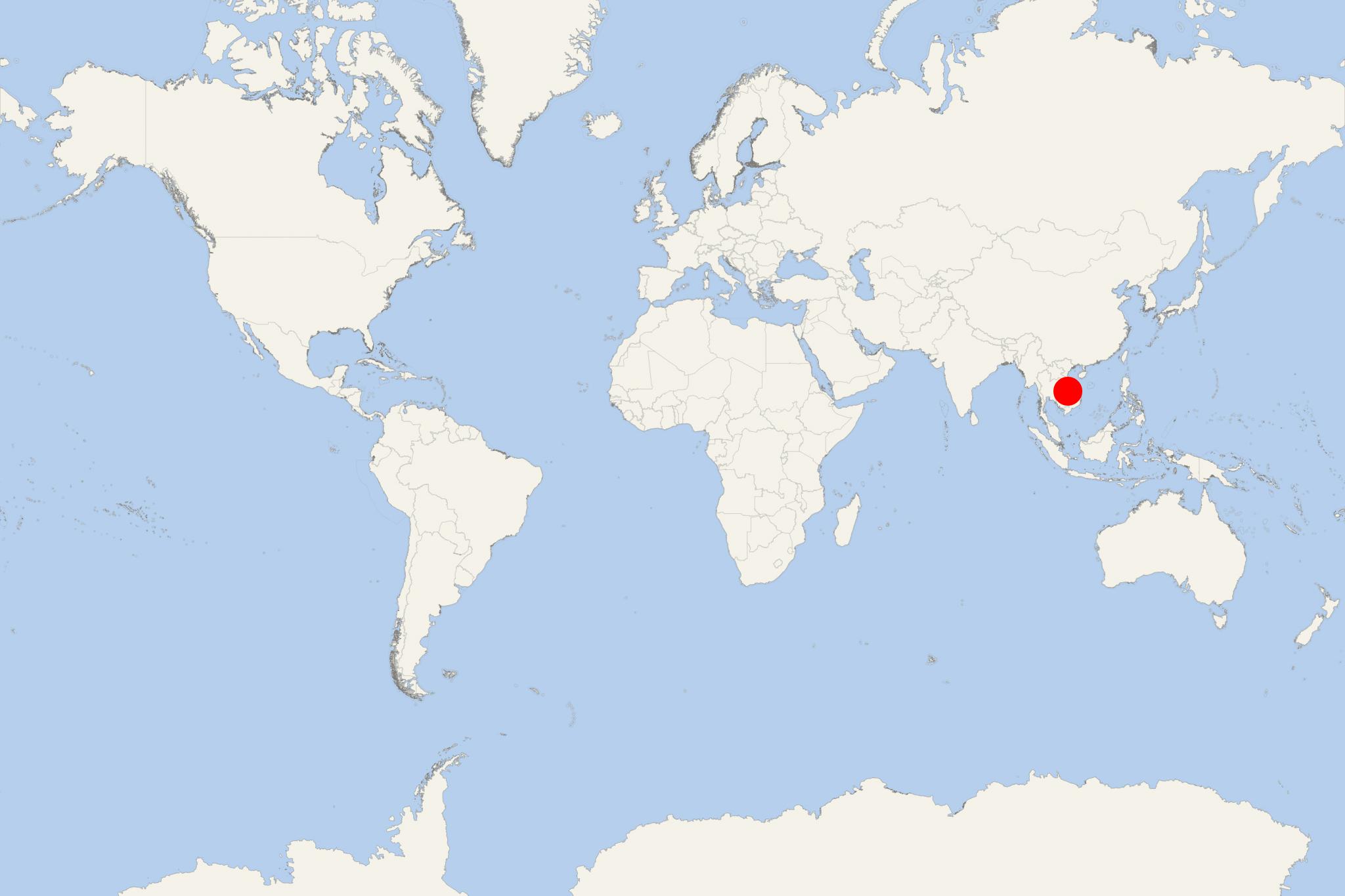
Champasak is a Mekong River cruise port and small town located in southern Laos, approx 40 km (25 ml) south of province's capital city Pakse.
During the Lao kingdom of Champasak (aka Bassac, between 1713–1946), Champasak was once the state's capital. Its capital city status was abolished in 1945 by the French who created Laos. Current-day Champasak is a very small town featuring guest houses (built along the river bank). The town is the gate to the nearby Wat Phu temple ruins - located approx 10 km (6 ml) to the southwest.
Champasak is a small Mekong River destination rather than a conventional cruise port. Its principal attraction is the UNESCO-listed Vat Phou temple complex, while the riverside town offers temples, traditional houses and quiet village scenery. Independent sightseeing is possible with advance transport planning, but an organized excursion is the easiest option for Vat Phou.
Getting Ashore and Around
River vessels generally moor or anchor on the Mekong and use a gangway or small local boat to reach a riverside landing. The precise landing place can vary with the vessel and river level, so follow the cruise staff’s instructions rather than relying on a fixed terminal location.
- Champasak town: Easily explored on foot if passengers land near the central riverside area.
- Vat Phou: About 10 km (6.2 mi) from town. Use a ship excursion, prearranged tuk-tuk or private vehicle; walking is not practical during a short call.
- Local transport: Tuk-tuks and other vehicles may be limited when no group visit has been arranged. Confirm the fare, waiting time and return journey before leaving.
- Road conditions: Journeys are short but can take longer than expected, especially in wet weather.
Best Ways to Spend the Call
Vat Phou Temple Complex
Allow approximately 3–4 hours including transport from Champasak. The archaeological landscape extends from the plain toward Phou Kao mountain, with ceremonial avenues, reservoirs, ruined buildings and a sanctuary high on the slope. An electric cart normally connects the visitor area with the beginning of the monuments, but the upper sanctuary still requires a substantial climb on steep, uneven stone steps.
This is the essential Champasak visit, but it is not fully accessible for passengers with limited mobility. Wear secure footwear, carry water and allow extra time in hot or wet conditions. A guide is useful because interpretation among the ruins is limited.
Champasak Town and Riverside
Allow 1.5–3 hours for an unhurried independent visit. The settlement follows one main road near the Mekong, with Buddhist temples, wooden houses, former royal residences and modest French-influenced buildings. It is best experienced as a quiet local walk rather than as a concentrated sightseeing district.
Vat Muang Kang and the Southern Riverbank
Vat Muang Kang lies roughly 5 km (3.1 mi) south of central Champasak. Its compound includes an unusual manuscript library combining Lao and other regional architectural influences. Visit by bicycle, tuk-tuk or as part of a guided local tour. A round trip on foot is too long and exposed for most cruise passengers.
Don Daeng Island
The rural island opposite Champasak can be explored on foot or by bicycle after crossing the Mekong by local boat. A visit generally requires 3–5 hours and should be arranged in advance. Boat availability, landing points and seasonal sandbanks can vary, making this less suitable for an improvised short visit.
Self-Guided Champasak Town Walk
Difficulty: Easy, mostly level, but hot and exposed. Allow 1.5–2.5 hours depending on the ship’s landing point.
- Begin at the cruise landing and walk toward the town’s main riverside road.
- Pause beside the Mekong for views of Don Daeng Island and everyday river traffic.
- Continue through the historic central area, looking for traditional wooden houses and older masonry residences.
- Visit one or two accessible Buddhist temple compounds along the main road.
- Walk to the old fountain and surrounding junction, a useful turning point within the elongated town.
- Return along the same road, adding the market area if time and its location relative to the landing are convenient.
A central out-and-back walk is usually about 3–5 km (1.9–3.1 mi), with 45–75 minutes of pure walking. Temple entrances and the exact landing point may alter the route. Dress respectfully, remove shoes where required and avoid entering buildings during ceremonies without permission.
Longer Excursions
Champasak’s wider cultural landscape includes ancient settlements, rice-field trails and archaeological remains beyond Vat Phou. Some designated routes take 2–5 hours and may require a local guide. These are appropriate only when the ship offers a long call and transport has been arranged.
Pakse, the Bolaven Plateau and the Four Thousand Islands involve considerably more road or river travel. They should be considered only as organized excursions specifically timed to the ship.
Practical Tips
- Carry Lao kip in small denominations; card payment should not be assumed.
- Use sun protection and bring drinking water. Shade is limited at Vat Phou and along rural roads.
- Expect uneven surfaces, loose stones and slippery steps during the rainy season.
- Wear clothing that covers shoulders and knees when entering active temples.
- Do not depend on finding a return vehicle later; keep the same driver or use cruise-arranged transport.
- Allow at least 30–45 minutes of margin before the required boarding time, and more when a small-boat transfer is involved.