

Cotonou (Benin, Porto-Novo)
Cruise Port schedule, live map, terminals, news
Region
Africa - Indian Ocean Islands
Local Time
2026-10-19 23:49
 80°F
26.5°C
 Light breeze
1.9 m/s
 93 °F / 35 °C
76 °F / 25 °C
Port Cotonou cruise ship schedule shows timetable calendars of all arrival and departure dates by month. The port's schedule lists all ships (in links) with cruises going to or leaving from Cotonou, Benin, Porto-Novo. To see the full itineraries (ports of call dates and arrival / departure times) and their lowest rates – just follow the corresponding ship-link.
| Day | Ship | Arrival | Departure |
|---|---|---|---|
| 6 November, 2027 Saturday |  Hanseatic Nature | 07:00 | 19:00 |
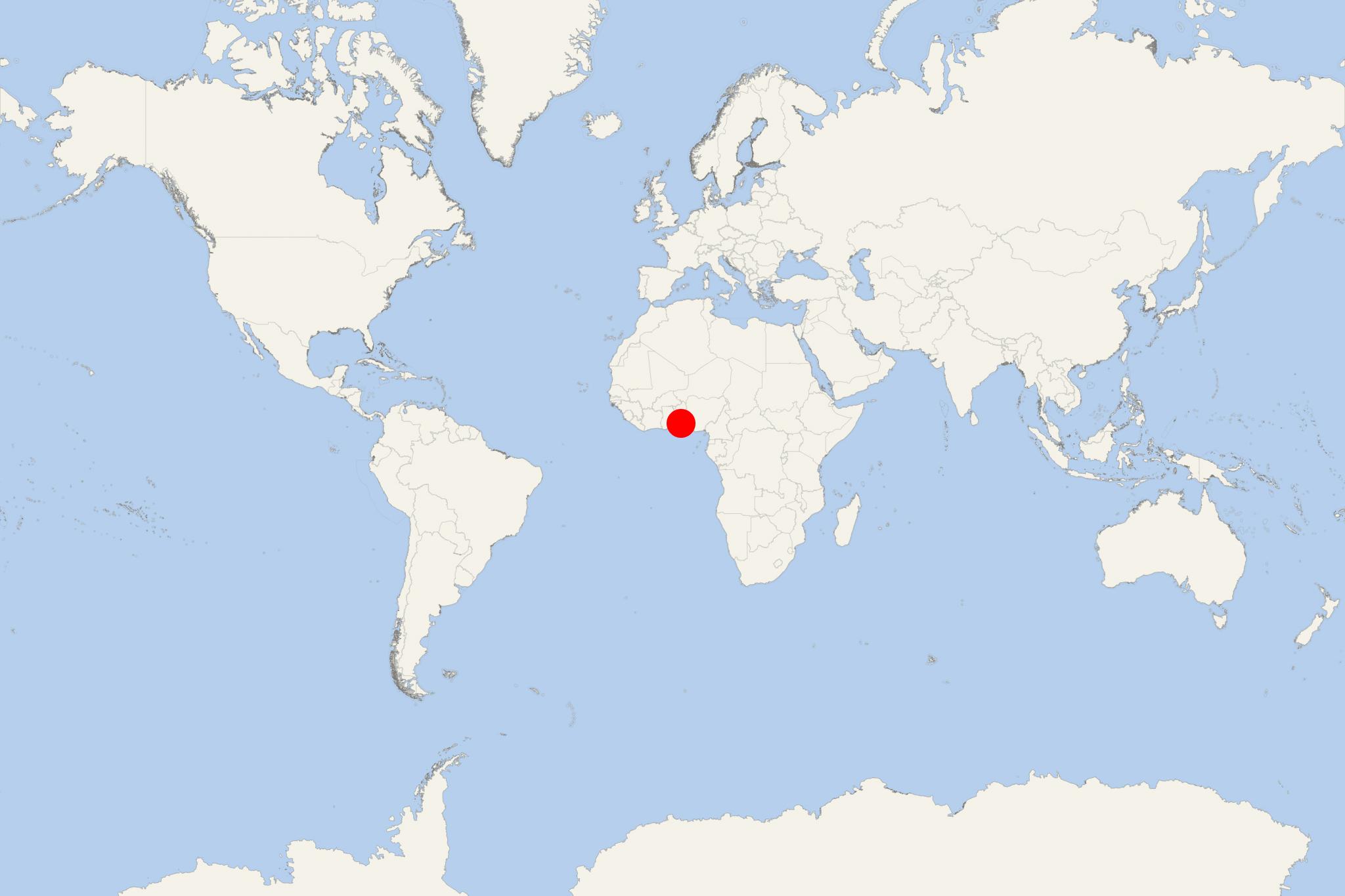
Cotonou (fka Kutonu) is the largest port city and the economic center of Benin. Cotonou is located in Benin's southeastern part, located between Lake Nokoue and the Atlantic Ocean. The city has population around 770,000 (metro around 1,2 million), with its urban area constantly expanding (notably to the west).
Port Cotonou (locode BJCOO) is also the cruise port for Porto-Novo (the country's capital city) located approx 38 km (24 mi) to the northeast by road. Porto-Novo is Benin's second-largest city by population (around 270,000). The region's economy is based on shipping, production of palm oil, cotton, cement, textiles, brewing, trade. Main exports are petroleum (from offshore oil drilling platforms), bauxite (sedimentary rock with a high aluminum content) and iron.
In addition to being the largest city in Benin, Cotonou is also the seat of government (though the official capital is Porto-Novo). It is home to most of the government buildings and diplomatic services in Benin. The city is a major port, as well as home to an airport and railway that links to Parakou. Other characteristics of Cotonou include Cotonou Cathedral, Cotonou Friendship Stadium, Cotonou Central Mosque, Ancien Pont Bridge and 20-hectares Dantokpa Market, which features a commercial turnover of more than one billion CFA Francs per day. Another familiar feature of the town is the motorcycle-taxis (Zemidjans).
Exploring Cotonou During a Cruise Call
Organized excursion recommended. Cotonou works best as a gateway to Ganvié’s lake community, Ouidah’s cultural and memorial sites, or Porto-Novo. Independent sightseeing is possible with a prearranged driver and guide, but port access, busy roads and traffic make a spontaneous walk from the ship a poor starting plan. Choose one main destination rather than trying to cover several.
Getting from the Cruise Port
Cruise ships generally dock at commercial berths within the Port of Cotonou. The actual berth and permitted passenger exit can vary; follow the ship’s instructions for leaving the port. Do not assume that the waterfront murals outside the port boundary are directly accessible from your gangway.
Confirm whether your sailing provides transport to the gate or a city drop-off. For an independent visit, arrange a car in advance and establish exactly where the driver can meet you and return you. A car is more practical than motorcycle taxis for a timed cruise outing. There is no reliably confirmed public-transport connection from the cruise berth on which to base a short visit.
Best Ways to Spend Your Time
Cotonou: Street Art, the Amazone Monument and Local Shopping
Allow around 3–4 hours with a driver. This is the most flexible option for a shorter call. Visit the Mur Graffé du Port, an outdoor display of large murals along the port boundary, then continue by car to the Amazone esplanade on Boulevard de la Marina. The monument and surrounding landscaped space make an easy sightseeing stop.
Add a guided market or craft-shopping stop if time permits. Ask your guide which market is operating and suitable that day rather than making the outing depend on a particular market. Walking is generally flat, but heat, limited shade and busy crossings make short walks between vehicle transfers more comfortable than a long city circuit.
Ganvié: Boat Trip on Lake Nokoué
Allow around 4–5 hours; organized excursion recommended. Travel by road to the embarkation point at Abomey-Calavi, then take a guided boat trip through Ganvié. Houses on stilts, fishing activity and everyday journeys by canoe are the main sights. This is a boat-based visit rather than a walking tour.
For planning, allow roughly 45–60 minutes each way for the road transfer, with extra time if traffic is heavy, plus 2–3 hours for the lake excursion. A motorized boat is the more practical choice for a limited call. Confirm boat boarding arrangements if you have reduced mobility, wear a life jacket and ask before photographing residents.
An independent visit requires both road transport and a boat arrangement. Keep your driver booked for the return journey rather than relying on finding transport afterward.
Ouidah: Vodun Heritage and the Route of the Enslaved
Allow around 5–6 hours with a guide and vehicle. Ouidah is approximately 40 km (24.9 mi) west of Cotonou. Allow about 1–1.5 hours each way from the port, depending on traffic and your chosen stops.
A focused visit can combine the Temple of Pythons, the Sacred Forest of Kpassè and selected memorial sites along the Route of the Enslaved, ending at the Door of No Return near the coast. A guide helps explain the religious and historical significance of these places. Use a vehicle between the town and coastal sites to preserve sightseeing time and avoid prolonged walking in the heat.
For a normal cruise call, treat Ouidah as your main outing. Combining it with Ganvié adds road travel and boat logistics that can make the return schedule unnecessarily tight.
Porto-Novo: Architecture and Gardens
Allow around 5–6 hours with a driver or organized tour. Porto-Novo is a separate destination, approximately 38 km (23.6 mi) northeast of Cotonou by road. Budget around 1–1.5 hours each way, allowing for congestion when leaving or returning to Cotonou.
Focus on the historic streets and Afro-Brazilian façades, the exterior of the Great Mosque, and the Jardin des Plantes et de la Nature. Confirm access before including museum interiors. Short guided walks linked by car are more practical than attempting an extensive walking circuit.
A Short Independent Walk After a Transfer
Port Murals: Easy Out-and-Back
Ask your driver to drop you at an accessible section of the Mur Graffé outside the port. Walk along the public side of the wall, stopping at murals that interest you, then retrace your steps to the agreed pickup point. A selected out-and-back stretch of approximately 1 km (0.6 mi) takes about 20 minutes of walking; allow 45–60 minutes with photo stops.
The route is mostly flat but exposed to the sun and beside a working-port road. Stay on the available pedestrian space and avoid unnecessary road crossings. This is a short street-art walk after a transfer, not a route through the port or back to the ship.
Practical Tips
- Leave a return margin: For independent outings, aim to reach the port at least 60–90 minutes before all-aboard, increasing the margin for longer transfers. Allow for the journey from the gate to the ship.
- Beach stops: The coast is suitable for scenery or a meal, but strong surf and currents make ocean swimming inadvisable.
- Heat and walking: Carry drinking water and sun protection. Short walks with vehicle transfers suit this port better than prolonged midday walking.
- Guides and photography: Confirm your guide’s language in advance. Ask permission before photographing people, ceremonies or religious sites.
- Independent transport: Agree the itinerary, total fare, waiting time and return meeting point before setting off.
Cotonou hotels
- Cruise Industry
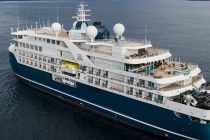
Swan Hellenic introduces 2024 West African Cultural Expedition Cruises
Swan Hellenic's upcoming cultural expedition voyages in early 2024 along the west coast of Africa are rapidly gaining attention and selling out...
December 16, 2023 - show more news