

Brown Bluff (Antarctica)
Cruise Port schedule, live map, terminals, news
Region
Arctic - Antarctica
Local Time
2026-09-27 23:10
 16°F
16°F -8.7°C

 Light breeze
3 m/s
 33 °F / 1 °C
 4 °F / -15 °C
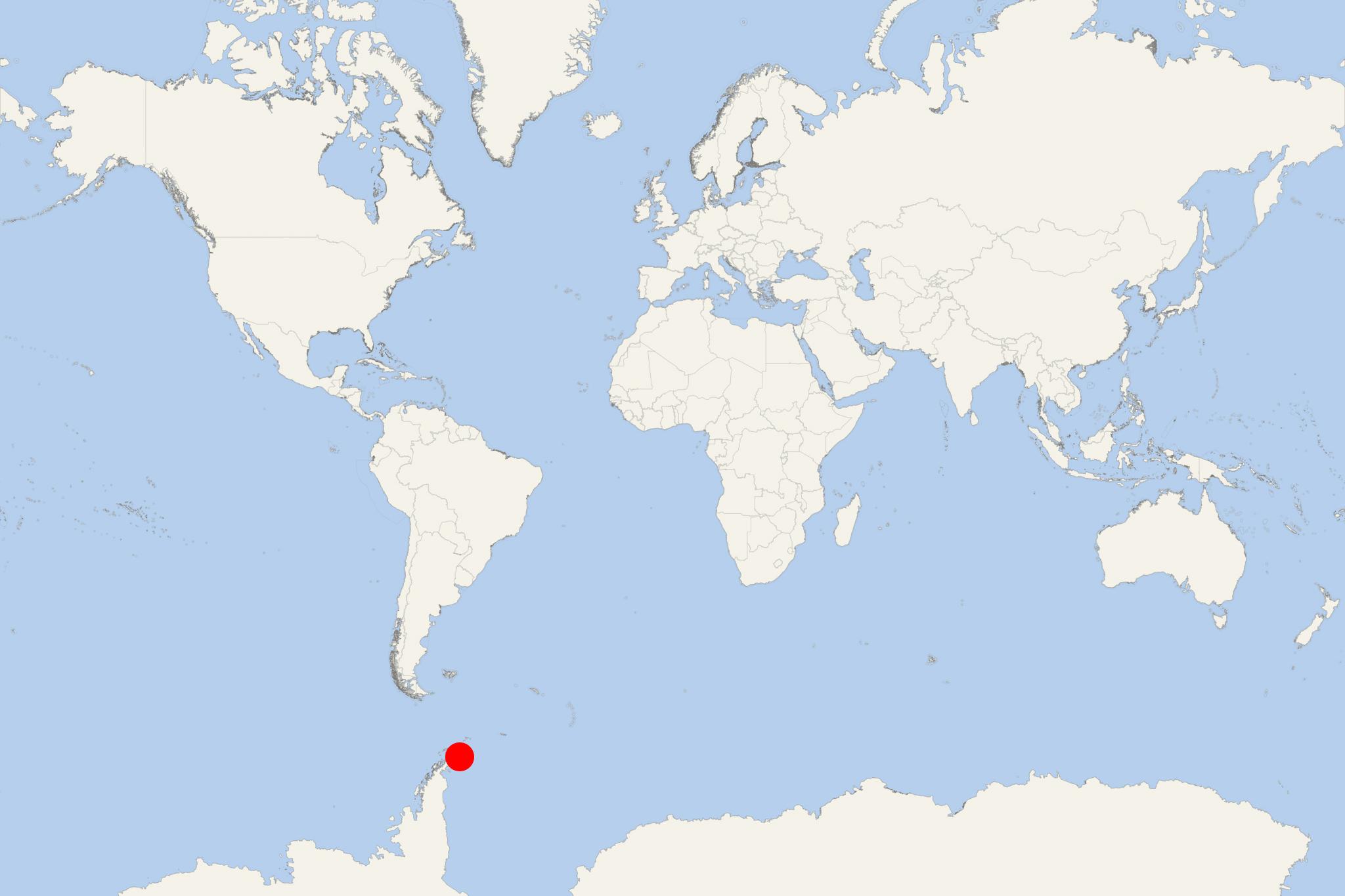
Brown Bluff is regular stop for any Antarctic cruise itinerary passing through Antarctic Sound. To the southwest is located the James Ross Island.
Antarctic Sound is a stretch of water between Trinity Peninsula (Antarctic Peninsula's northernmost part) and the Joinville Islands (to the northeast of Antarctic Peninsula). Antarctic Sound's length is approx 56 km (35 ml) and its width is between 13-22 km (8-14 mi). The sound was first navigated, mapped and named during the Swedish Antarctic Expedition (1902). Antarctic Sound cruise itineraries have been operating since 2005.
Brown Bluff is a rock formation, and one of the few landing places along the Antarctic itinerary. The landscape is amazingly beautiful, with surrounding glaciers and ice caps. This rocky beach has length of approx 3 km (2 mi), rising to a steep slope, which in turn rises to a rust-colored cliff. High above there is an ice cap.
Brown Bluff is located approx 15 km (9 mi) to the southeast of Hope Bay (Tabarin Peninsula). This location is most famous with its large colony (tens of thousands) of Adelie penguins. A smoller colony (several hundred) of long-tailed Gentoo penguins is also present here. Brown Bluff's wildlife watching experience also includes the nesting here seabird snow petrel.
Brown Bluff is an Antarctic expedition landing site, where the main activities are watching Adélie and gentoo penguins and exploring a rocky beach beneath towering volcanic cliffs. Independent sightseeing is limited: all access is arranged by the ship’s expedition team, and visitors must remain within the areas opened for that landing.
Getting Ashore
There is no cruise pier or passenger terminal. Ships remain offshore, and expedition passengers normally travel to the beach in Zodiacs. Expect a wet landing, with shallow water and uneven stones underfoot; waterproof landing boots and assistance from the crew are important.
Wind, swell, sea ice and wildlife conditions determine whether a landing can proceed. The expedition team selects the landing point and explains the permitted walking area. There are no roads, taxis, shops or visitor facilities ashore.
Best Ways to Spend Your Time
Watch the Penguin Colonies
Make penguin watching the focus of your landing. Adélies and gentoos breed here, and observing their movements between the colonies and the sea can occupy much of your shore time. Allow around 45–60 minutes within the landing slot assigned by your expedition team. Wildlife numbers and activity vary through the season.
Use the viewing positions indicated by guides, keep penguin travel routes clear and give birds priority when they cross your path. A longer camera lens or binoculars helps you observe without approaching.
Explore the Open Beach Area
A short walk within the designated beach area offers views of wind-eroded boulders, reddish-brown cliffs and the surrounding ice. Allow roughly 30–45 minutes for a slow walk with photography stops, if your landing slot permits. The beach is relatively flat in places, but loose cobbles, snow and ice can make footing awkward.
This is a supervised landing area rather than a marked hiking trail. Follow the boundaries set that day, stay clear of closed nesting areas and avoid approaching the cliffs or climbing loose slopes. There is no suitable self-guided summit walk.
Join a Zodiac Cruise, If Offered
A guided Zodiac cruise may provide views of the cliffs, shoreline and nearby icebergs without walking ashore. It can also be an alternative when beach access is unsuitable, although boat operations remain dependent on conditions. Availability, route and duration are decided by the expedition team; a landing and boat cruise are not guaranteed during the same call.
Practical Tips
- Choose an activity suited to your mobility: stepping into Zodiacs and landing on loose stones can be more demanding than the beach walk itself. Discuss assistance requirements with the team before departure.
- Dress for wind and spray: wear warm layers, waterproof outerwear, gloves and the footwear specified by your operator. Protect cameras during boat transfers.
- Follow wildlife and biosecurity instructions: clean boots and equipment as directed, respect the distances specified in the briefing and avoid mosses or lichens. Temporary restrictions may affect access.
- Keep the return flexible: stay within the permitted area and return to the Zodiac boarding point at the instructed time. Leave time for uneven footing and wildlife crossings, and be ready for an earlier return if conditions deteriorate.
Brown Bluff hotels
- Accidents
Engine failure disrupts Antarctic cruise on Swan Hellenic's ship SH Diana
Passengers aboard Swan Hellenic’s expedition ship SH Diana have experienced significant disruptions during a 20-night repositioning voyage from...
November 29, 2024 - Cruise Industry
Atlas Ocean Voyages unveils World Navigator’s Inaugural Antarctica season (November 2021)
AOV-Atlas Ocean Voyages announced that the luxe-adventure brand would proceed with the inaugural Antarctica season for AOV's first newbuild...
September 17, 2021 - Cruise Industry
Atlas Ocean Voyages ship World Navigator inaugural 2021-2022 Antarctica cruises
Atlas Ocean Voyages unveiled its inaugural winter 2021-2022 Antarctica-season itineraries. Beginning November 19, 2021, the small line brand AOV...
May 8, 2020 - show more news