

Cayenne (Devil's Island French Guiana)
Cruise Port schedule, live map, terminals, news

Region
South America
Local Time
2026-10-25 04:03
 79°F
26.2°C

 Mod. breeze
6.2 m/s
 95 °F / 35 °C
72 °F / 23 °C
Cayenne is a major seaport and the capital city of French Guiana, with an urban population of around 60,000 (metro around 140,000). The city is located on Cayenne Island's northwestern coast. Cayenne Port (Degrad des Cannes) handles almost all of the country's shipping trade (imports and exports). The deepwater port Degrad des Cannes was opened in 1969, to replace the old harbour port.
Degrad des Cannes is located on Mahury River's estuary, approx 18 km (11 mi) from the Atlantic Ocean. French Guiana (north-eastern South America) is one of France's overseas territories. Cayenne's current-day economy is based on its cargo port (shipping trade) with major exports being timber, rosewood essence, rum. sugar, pineapple, commercial fishing. An esplanade (seafront promenade) links downtown with the suburbs Chaton and Montabo.
The city is served by Cayenne-Félix Eboue Airport (near Matoury) located approx 13 km (8 mi) southwest of Cayenne. The airport serves regularly scheduled international flights linking to France (Paris), USA (Miami), Martinique (Fort-de-France), Guadeloupe (Pointe-a-Pitre), Brazil (Belem, Fortaleza), Haiti (Port-au-Prince). Domestic flights (by Air Guyane) link with French Guiana's Grand Santi, Maripasoula, Saint-Laurent du Maroni, and Saul.
The town (as La Ravardiere) was founded by the French in 1643 and named Cayenne since 1777. City's best-known tourist attractions and notable buildings include Avenue General de Gaulle (commercial street), Hotel de Ville (19th-century Town Hall), Musee des Cultures Guyanaise, Musee Departmental Franconie, Fort Ceperou (17th-century), Place du Coq (18th-century marketplace / covered market with a garden), Cayenne Cathedral (19th-century), Botanical Garden (18th-century). Cayenne Carnival (Parade) is annually held (January-February) and French Guiana's largest street carnival - worldwide known for its original costumes.
Asc cruise port, Cayenne is often included in the Ponant Cruises schedule. The port was visited two times in 2019 (by the superyacht Le Champlain) and six times in 2020 and 3 times in 2021 - by Le Dumont d'Urville.
Cayenne is best treated as a transfer port rather than a walk-off destination. Cruise ships normally use the commercial port of Dégrad-des-Cannes in Rémire-Montjoly, about 13 km (8.1 mi) from central Cayenne. Once transferred into the city, the compact historic center is easy to explore on foot.
Independent sightseeing with some planning or transport: central Cayenne is walkable, but transport from the secure port area must be arranged. For rainforest, wildlife or longer regional trips, an organized excursion is the safer and more practical choice.
Getting from the Cruise Port
- Berth: Calls generally use Dégrad-des-Cannes, a working cargo port on the Mahury River rather than Cayenne's old waterfront.
- Walking: Walking from the berth to Cayenne is not practical because of the distance, industrial surroundings and port-access restrictions.
- Transfers: Use any shuttle or excursion transport confirmed by the ship. Do not assume that a complimentary shuttle will operate.
- Taxi: A prearranged taxi is the simplest independent option. The drive to central Cayenne is normally around 20–30 minutes, depending on traffic and the passenger exit used.
- Public transport: Local buses serve the wider area, but routes, stops and return schedules require advance checking. They are less suitable when ship time is limited.
Best Ways to Spend Your Time
Explore Central Cayenne
Allow 2.5–4 hours for Place des Palmistes, the market area, Saint-Sauveur Cathedral, colonial-era streets and the viewpoint at Fort Cépérou. This is the easiest independent option once transport into town has been arranged.
The market is most rewarding in the morning and traditionally operates on selected days rather than daily. Museum and church access can also vary, so treat interiors as optional additions rather than essential parts of the route.
Combine Cayenne with Rémire-Montjoly
With a taxi or private driver, combine a shorter city walk with the coast around Rémire-Montjoly. Allow approximately 4–5 hours including transfers. The beaches are attractive for a walk and coastal scenery, but water appearance and swimming conditions vary with tides, rainfall and sediment.
Walk the Rorota Forest Trail
The Rorota trail offers a convenient introduction to tropical forest near Rémire-Montjoly. The commonly used circuit is about 6 km (3.7 mi) and takes roughly two hours, excluding wildlife stops and transfers. Expect humidity, roots, uneven ground and mud after rain. Closed shoes, water and insect repellent are advisable.
A taxi or arranged excursion is required, and return transport should be agreed before starting. Wildlife sightings, including sloths or monkeys, are possible but never guaranteed.
Take a Regional Nature or Space Excursion
The Kaw wetlands, Cacao and the Guiana Space Centre near Kourou require substantial road travel and careful timing. These are better suited to organized excursions designed around the ship's schedule. Kaw commonly requires a full day and boat arrangements, while access to parts of the Space Centre may require advance registration and identification.
Self-Guided Cayenne Walking Route
Route: Approximately 2.5 km (1.6 mi), about 40–50 minutes of pure walking or 2.5–3 hours with sightseeing. Mostly easy, with a short uphill section and steps at Fort Cépérou.
- Place des Palmistes: Ask to be dropped near Cayenne's central palm-lined square, an easy reference point for beginning and ending the walk.
- Cayenne Market and Place du Coq: Browse fruit, spices, local produce and simple food stalls when the market is operating.
- Saint-Sauveur Cathedral: Continue through the compact center to the city's principal cathedral.
- Place Léopold Héder and Place de Grenoble: Walk through the administrative quarter and view several prominent civic buildings from outside.
- Musée Alexandre-Franconie: Visit if open for collections covering local cultures, archaeology and natural history.
- Fort Cépérou: Climb to the remains of the hilltop fort for views across Cayenne and the estuary. Surfaces can be slippery after rain.
- Old Port: Descend toward the former waterfront before returning through the center.
- Place des Palmistes: Finish at the agreed taxi or shuttle meeting point.
Confirm the precise pickup location and time before leaving your transport. If the fort path is wet or anyone has limited mobility, omit the climb and keep to the flatter central streets.
Practical Tips
- Carry euros; French Guiana is a French overseas department and uses the euro.
- French is the main language. Taxi availability is easier to manage when transport is reserved in advance.
- Expect high heat, humidity and sudden heavy rain. Bring water, sun protection and a compact rain layer.
- Use insect repellent for forest, wetland and garden visits.
- Do not confuse Cayenne with the Îles du Salut or Devil's Island. Those islands are reached from the Kourou area and are not a simple independent trip from the Cayenne berth.
- Allow a generous return margin for traffic, security procedures and the transfer back through the commercial port.
Cayenne hotels
- Cruise Industry
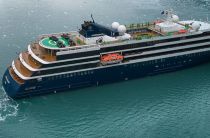
Atlas Ocean Voyages ship World Navigator 2021 itineraries announced
Atlas Ocean Voyages announced that the Luxe-AdventureSM Expedition Cruise brand is expanding its inaugural-year offerings with 4 new Transatlantic...
May 18, 2020 - show more news