

Chengdu (China)
Cruise Port schedule, live map, terminals, news

Region
Asia Rivers
Local Time
2026-10-25 07:40
 63°F
17.4°C

 Very Light
1.1 m/s
 71 °F / 22 °C
62 °F / 17 °C
Chengdu (port locode CNCTU), aka Chengtu, is a Yangtze River cruise port (actually on Jin River) and the capital of China's Sichuan province. The city covers a total metro area of approx 3680 km2 (1420 mi2) and has population around 10,5 million.
Chengdu's cruise shipping traffic is via expressways from the Yangtze port cities Yibin and Luzhou. Both are easily and fast reachable from Chengdu by the local expressways.
Chengdu is one of Western China's 3 largest and most populous cities, together with Chongqing and Xian. The city surrounding plain is known as "Country of Heaven" and "Land of Abundance". The city maintained its name almost unchanged throughout China's imperial, republican, and communist eras. Chengdu served as China's capital for a short time - following the fall of Nanjing to the Japanese in 1937.
The city is currently one of Western China's major financial, economic, commercial, transportation, communication and cultural hubs. Chengdu Shuangliu International Airport is among the world's 30 busiest airports, and Chengdu Railway Station is among China's 6 largest. The city also houses numerous large international companies. Over 260 in the "Fortune 500" list have branches in Chengdu. For 2006, China Daily ranked the city China's 4th-most-livable.
The giant panda (Chinese national treasure) is among the world's rarest animals. Their total number is estimated to be around 1500 (including those living in the wild). 80% of all panda bears are in the Sichuan Province. Chengdu Research Base of Giant Panda Breeding was founded in the city's north suburbs. This research center is the only one of its kind in the world.
Chengdu is an inland destination rather than a conventional cruise port. River-cruise passengers normally reach the city by an overland transfer from a Yangtze-system port such as Yibin or Luzhou; ships do not berth beside central Chengdu. The exact landing point and transfer arrangements therefore depend on the itinerary.
At a Glance
- Independent sightseeing: Organized transfer recommended from the ship; central Chengdu is easy to explore independently after arrival.
- Port transfer: Yibin and Luzhou are each roughly 260–270 km (161.6–167.8 mi) from Chengdu by road. Allow approximately 3–4 hours each way, depending on the landing point and traffic.
- Best short-visit choices: Giant pandas, a compact central-city walk, or Wuhou Shrine and Jinli.
- Main limitation: A same-day round trip from the river consumes much of the call. Chengdu is most practical when the cruise itinerary includes an overnight hotel stay or a coordinated land program.
Getting from the Ship to Chengdu
Do not expect to walk from the vessel into Chengdu. Confirm the actual disembarkation port and transfer with the cruise operator, as the CruiseMapper destination name does not identify a passenger terminal in central Chengdu.
A cruise-organized coach or pre-arranged private vehicle is the practical choice. Independent rail travel may be possible from Yibin or Luzhou, but reaching the station, navigating ticket and identity requirements, and coordinating the return makes it risky during a limited port call.
Best Ways to Spend Your Time
Chengdu Research Base of Giant Panda Breeding
Allow about 3–4 hours at the base, plus travel from central Chengdu. The site is large and involves substantial walking, although internal transport may reduce some distances. Pandas are generally more active earlier in the day, making this the strongest option when the itinerary reaches Chengdu in the morning.
Advance online admission is required, with on-site sales dependent on availability. For a short cruise visit, arrange the ticket and transport before arrival rather than relying on a same-day purchase.
People’s Park and Kuanzhai Alleys
This is the easiest independent introduction to central Chengdu. People’s Park offers gardens, everyday city life and traditional teahouses, while nearby Kuanzhai consists of pedestrian lanes with restored courtyard architecture, shops and food outlets. Allow 2–3 hours, or longer for a teahouse stop and meal.
Wuhou Shrine and Jinli
Wuhou Shrine is a ticketed historical complex associated with the Three Kingdoms period. Jinli, immediately beside it, is a pedestrian district of traditional-style lanes, snack stalls and craft shops. Allow approximately 2.5–4 hours for both. This pairing is compact and practical by taxi or pre-arranged vehicle from a central hotel or coach drop-off.
Central Chengdu Highlights
With limited time, combine one historic area with a brief look at modern Chengdu rather than crossing the city repeatedly. Chunxi Road and the Taikoo Li area provide shopping, dining and contemporary city scenery, but should be treated as an alternative to—not an addition to—a full panda visit during a short call.
Self-Guided Central Walking Route
Easy: People’s Park to Kuanzhai Alleys
Route: People’s Park entrance → park gardens → Heming Teahouse area → Shaocheng neighborhood streets → Wide Alley → Narrow Alley → Well Alley.
The route is approximately 2.5 km (1.6 mi), with about 35–45 minutes of pure walking. Allow 2–3 hours including the park, tea and time in the alleys. The terrain is generally flat, but the pedestrian lanes can be crowded and some surfaces are uneven.
Finish near Kuanzhai Alley Metro Station or arrange a taxi pickup. This walk should begin from a confirmed city-center drop-off, not from the vessel’s landing point.
When an Organized Excursion Is Preferable
Use an organized excursion when visiting Chengdu directly from Yibin or Luzhou, when the panda base is the priority, or when the ship sails the same day. The long transfer, traffic variability, advance ticket requirements and language barriers make independent coordination unsuitable for a tightly timed call.
Leshan Giant Buddha, Mount Emei, Dujiangyan and Sanxingdui are major regional attractions, but they require additional travel and should not be combined casually with central Chengdu during a short visit. Choose one regional objective and use arranged transport.
Practical Tips
- Carry the destination names and return meeting point written in Chinese.
- Arrange mobile payment or confirm that a foreign bank card and cash will be accepted before setting out.
- Allow extra time for congestion, security checks and finding the correct coach or vehicle.
- For a same-day river-port transfer, follow the cruise operator’s return deadline and keep a substantial margin; the journey back may take several hours.
- If the itinerary includes an overnight stay in Chengdu, visit the panda base early and reserve the compact central sights for the afternoon or evening.
Chengdu hotels
- Cruise Industry
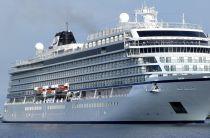
Viking unveils first China itineraries for 2024 international cruises
Viking has announced 3 groundbreaking China itineraries for international travelers in 2024, marking a significant move in the maritime industry...
January 15, 2024 - show more news