

Delos Island (Greece)
Cruise Port schedule, live map, terminals, news
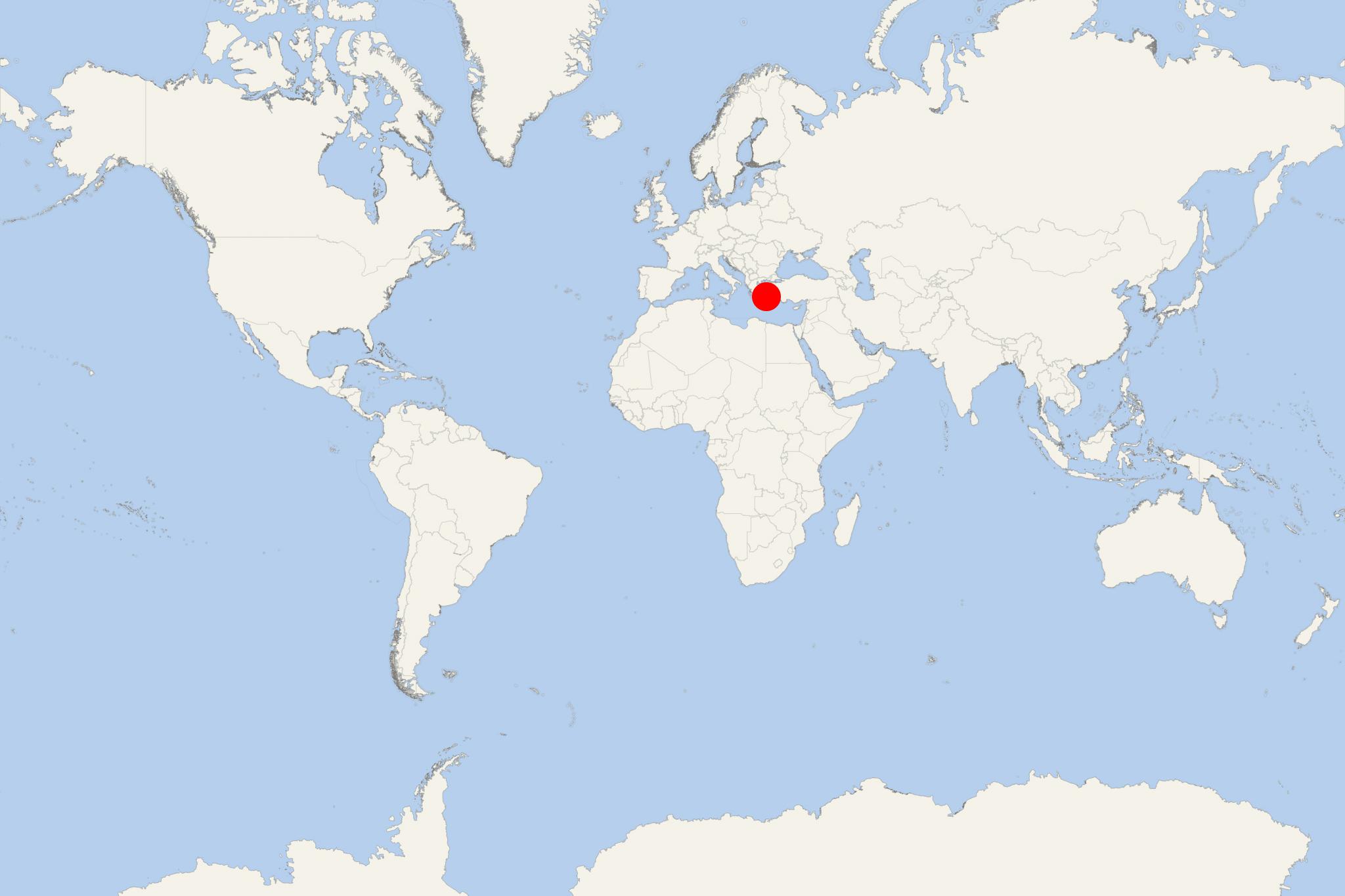
Region
Mediterranean - Black Sea
Local Time
2026-10-16 17:37
 63°F
63°F 17.1°C

 Fresh breeze
9.4 m/s
 65 °F / 19 °C
 58 °F / 15 °C
Port Delos Island cruise ship schedule shows timetable calendars of all arrival and departure dates by month. The port's schedule lists all ships (in links) with cruises going to or leaving from Delos Island, Greece. To see the full itineraries (ports of call dates and arrival / departure times) and their lowest rates – just follow the corresponding ship-link.
| Day | Ship | Arrival | Departure |
|---|---|---|---|
| 26 May, 2028 Friday |  Emerald Raiya Emerald Raiya |
Delos Island is located close to Mykonos, near the centre of Cyclades archipelago. This is one of Greece's major mythological, archaeological and historical sites. In the Cyclades islands, the small Delos (total area of 3,4 km2 / 1,3 ml2) was the legendary birthplace of the Greek sun god Apollo and goddess Artemis the huntress. During Mycenean period, 1400-1200 BC, the Island of Delos was well-established with artistic treasures and palaces. Home to some of the best archaeological remains in Greece, today Delos is a World Heritage site.
The city of Delos, which stood at the Mount Cynthus' foot, is today a mass of ruins. The extensive excavations that started in the 1870s revealed a wealth of porticoes and altars of sacred precinct, as well as warehouses and wharves, bazaars, a gymnasium, a theatre, and several private houses belonging to the prosperous period of 2nd century BC. A sacred place since 7th century BC, matched in importance only by the Oracle at Delphi, the island is currently uninhabited, but its total area of 3.43 km2 (1.32 ml2) offers an evocative journey back into antiquity.
Delos Island cruise terminal
Cruise ships to Delos Island dock (anchor) at Mykonos - port town on the western coast of Mykonos Island.
Delos is an archaeological sightseeing stop: time ashore is spent walking among ancient temples, streets, houses and mosaics rather than exploring a modern town. The main ruins are close to the boat landing, making a focused visit practical during a short call.
Independent with some planning or transport: self-guided exploration is practical once ashore, provided your cruise permits independent visits. Boat access and return arrangements must be confirmed, and rough paths, heat and limited shade make walking more demanding than the distances suggest. A guided excursion is useful for understanding the ruins and coordinating transfers.
Getting Ashore
Delos has a small boat landing beside the archaeological entrance, rather than a conventional cruise terminal. For a direct island call, expect a boat transfer instead of walking off the ship; confirm the landing method and whether passengers may explore independently with your cruise staff.
Some cruises visit Delos from Mykonos instead. Scheduled excursion boats leave from Mykonos Old Port, with the crossing taking approximately 30–40 minutes each way. If your ship docks at Mykonos New Port, allow additional time to reach the departure point. Ship tendering, boat boarding and the return transfer can consume a substantial part of the call.
Once on Delos, sightseeing is on foot. There are no taxis or public buses linking the ruins. Confirm whether archaeological admission is included in your excursion or needs to be purchased separately.
Best Ways to Spend Your Time
Sanctuary of Apollo and Terrace of the Lions
Allow about 1½–2 hours for the main sanctuary, ancient marketplaces and the Terrace of the Lions. This is the most practical choice for a short visit and avoids the steepest parts of the island. The outdoor lions are replicas; the originals are preserved in the museum. The terrain is generally low-lying but includes loose gravel, uneven stone and exposed paths.
Theatre Quarter and Mosaic Houses
Add approximately 45–75 minutes to explore the residential streets, House of Dionysus and ancient theatre, following the routes open on the day. This area shows how people lived, with courtyard houses and surviving mosaic floors. Walking involves rising ground and rough paving, so it suits passengers comfortable with uneven surfaces.
Archaeological Museum
Allow approximately 30–45 minutes for the original marble lions, sculpture and objects recovered from the houses. It is a useful addition to the outdoor ruins and provides a break from direct sunshine. Site and museum admission are covered by the same ticket; confirm opening arrangements for your visit.
Mount Kynthos Viewpoint
Fit walkers with sufficient time can climb Mount Kynthos for views over the ruins and surrounding islands. Allow approximately 45–60 minutes for the ascent, a short summit stop and descent from the foot of the climb, in addition to reaching it through the site. Steep stone steps, rough rock and exposure to wind make this a challenging extension. Skip it in strong wind, intense heat or when your return boat is approaching.
Self-Guided Walking Route
Main Sanctuary, Lions and Museum
Start and finish: the archaeological entrance beside the boat landing. Approximate distance: 1.5–2 km (0.9–1.2 mi), depending on detours and accessible paths. Pure walking time: 35–50 minutes. Recommended total: 2–2½ hours with sightseeing and a museum visit. Difficulty: moderate because of uneven ground and sun exposure, although this route avoids the summit climb.
- Agora of the Competaliasts: begin with the ancient marketplace near the entrance.
- Stoa of Philip V: continue toward the sanctuary along the remains of the monumental portico.
- Sanctuary of Apollo: explore the temple remains using the site plan to identify the main buildings.
- Agora of the Italians: head toward the large courtyard complex north of the sanctuary.
- Terrace of the Lions and Sacred Lake area: see the familiar lion replicas and the landscape they once guarded.
- Archaeological Museum: visit the original lions and other finds before returning through the sanctuary to the entrance and landing.
Follow marked visitor paths and any temporary diversions. For a shorter visit, omit the museum and return after the lions. Add the Theatre Quarter only if your boat schedule leaves enough time for the extra walking and stops.
Guided Visits and Swimming Excursions
A guided archaeological visit is a good choice for passengers who want the scattered ruins explained without spending time navigating. From Mykonos, a ship excursion can also simplify the sequence of port transfers and boat crossings.
Delos itself is not a beach stop, and swimming along its coast is prohibited. Some boat outings combine Delos with a swimming stop at nearby Rhenia. Consider this only when the complete itinerary fits your call comfortably; it requires a separate boat arrangement and is not an activity you can reach on foot from the Delos landing.
Practical Tips
- Bring drinking water, sunscreen and a secure hat. Shade is scarce, and wind can disguise how strong the sun feels.
- Wear supportive shoes with grip. Ancient paving, loose stones and steps are unsuitable for flimsy sandals.
- Do not depend on finding a full meal ashore; eat before leaving the ship and carry essential supplies.
- Passengers with limited mobility should check both boat boarding and site access in advance. A shorter route still involves uneven ground.
- Check current site opening arrangements and your actual return sailing before exploring. Seasonal schedules and sea conditions can affect access.
- For a direct call, follow the ship’s stated tender reporting time. For an independent visit from Mykonos, choose a return boat that leaves a generous margin for the onward transfer and ship boarding; avoid relying on the last feasible sailing.
Delos Island hotels
- Cruise Industry
Emerald Rayia superyacht with Mediterranean (2027) and Seychelles and Red Sea deployments (2027...
Emerald Cruises has revealed the deployment plans for its forthcoming luxury yacht Emerald Rayia, set to commence operations in 2027-Q1. The vessel...
July 18, 2025 - Cruise Industry
SeaDream Yacht Club expands Greek Isles itineraries with a 14-night B2B cruise
SeaDream Yacht Club, a boutique luxury travel brand renowned for its intimate yachting experiences, announced the expansion of its Greek Isles 2025...
February 25, 2024 - Cruise Industry
Mykonos Island (Greece) suffers from influx of cruise ship tourists
Greece's Mykonos Island is struggling with a significant increase in cruise ship calls, resulting in overcrowding and straining the island's...
June 29, 2023 - Cruise Industry
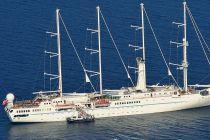
Tauck introduces 10-day “Treasures of the Aegean” cruise aboard Wind Star
Tauck Travel introduced a 10-day “Treasures of the Aegean” cruise itinerary aboard the chartered from Windstar's sailship Wind Star...
May 11, 2021 - Cruise Industry
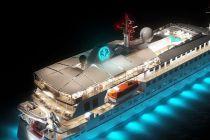
Reservations open for Crystal Esprit cruises in 2023 through early 2024
Crystal Yacht Cruises opened reservations for its boutique yacht Crystal Esprit 2023 and early 2024 itineraries. The 6-, 7-, and 8-night voyages...
August 29, 2020 - Cruise Industry
Crystal Yacht Cruises announces preview of Crystal Esprit complete deployment
Crystal Yacht Cruises announced a preview of the complete deployment for its all-suite, 62-passenger yacht Crystal Esprit for 2023 to the first...
August 24, 2020 - show more news