

Donostia-San Sebastian (Spain Biscay Basque Country)
Cruise Port schedule, live map, terminals, news
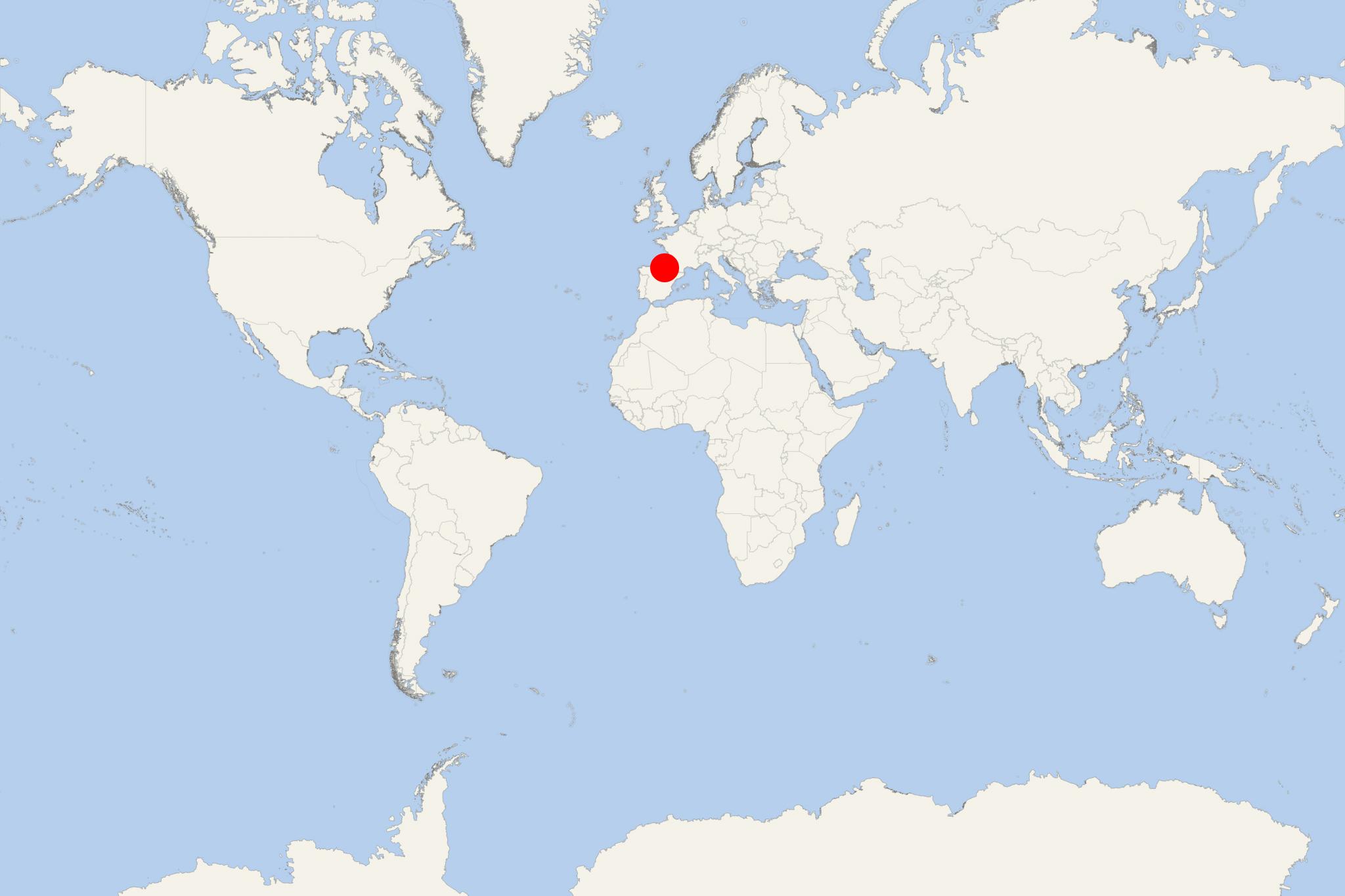
Region
Western Europe - Azores - Canary Islands
Local Time
2026-10-25 06:50
 53°F
11.6°C

 Light breeze
3.2 m/s
 67 °F / 20 °C
48 °F / 9 °C
Port Donostia-San Sebastian cruise ship schedule shows timetable calendars of all arrival and departure dates by month. The port's schedule lists all ships (in links) with cruises going to or leaving from Donostia-San Sebastian, Spain Biscay Basque Country. To see the full itineraries (ports of call dates and arrival / departure times) and their lowest rates – just follow the corresponding ship-link.
| Day | Ship | Arrival | Departure |
|---|---|---|---|
| 16 May, 2027 Sunday |  Silver Dawn | 08:00 | 18:00 |
| 18 May, 2027 Tuesday |  Star Explorer | 08:00 | 18:00 |
Donostia-San Sebastian (port locode ESEAS) is a city and municipality in Basque Spain (autonomous territory). The city covers a total area of approx 61 km2 (24 mi2). The municipality's population is around 185,000 (metro 435,000). The city is on the Bay of Biscay's coast, approx 20 km (12 mi) from the border with France. It is also the capital city of Gipuzkoa (Basque Province).
The city is part of Eurociudad Vasca Bayonne-San Sebastian/Eurocity - a cross-border region (between Spain and France, along the Bay of Biscay's coast) that integrates 42 communities (total population around 650,000) in both countries. These integrated communities share common projects (tourism, freight transportation, infrastructures) based on their common Basque cultural base. The largest cities (with population 10,000+) in this "eurodistrict" are France's Bayonne, Anglet, Biarritz, Hendaye, Saint-Jean-de-Luz, and Spain's Donostia-San Sebastian, Renteria, Hernani, Fuenterrabia, Passages, Andoain, Lasarte-Oria, Zarauz. The Agglomeration Cote Basque-Adour includes the French cities Anglet and Biarritz.
The picturesque shoreline makes Donostia a popular resort vacation destination. Its seaside scenery is enhanced by the hilly surroundings.
San Sebastian is at Urumea River's mouth. Most of Donostia is built over the river's wetlands. Major economic activities include commerce and tourism. Donostia is among Spain's most popular tourist destinations. Despite the city's small size, events like the San Sebastian International Film Festival give it an international dimension.
On January 20th every year (Saint Sebastian feast), locals celebrate a festival famous as "Tamborrada". At midnight, at Konstituzio plaza in the Old Part ("Parte Vieja") the city's Mayor raises San Sebastian's flag. For 24 hours, the city is awash with the sound of drums and adults march around the city dressed as soldiers and cooks.
Donostia–San Sebastián is well suited to a short visit combining the Old Town, pintxos and La Concha waterfront. Independent sightseeing is easy once you reach the city centre; getting there requires some planning because the cruise arrival point matters.
Getting from the Cruise Port
Pasaia is the nearby commercial harbour that handles cruise ships visiting San Sebastián. The port authority places it approximately 5 km (3.1 mi) from the city, but the actual journey depends on your berth and city drop-off. San Sebastián’s small fishing harbour beside the Old Town should not be assumed to be your ship’s arrival point.
Check your cruise line’s instructions for the assigned berth, passenger exit and any transfer arrangements. From Pasaia, a confirmed shuttle, taxi or excursion transfer is the simplest starting point. Do not assume that a shuttle is provided or that you can walk directly through the working port.
Public buses and trains connect the Pasaia area with San Sebastián, but their usefulness depends on where passengers leave the port. Confirm the accessible stop or station before choosing this option. Walking from the commercial harbour into San Sebastián is not a useful sightseeing route for a short call.
If your cruise line specifies a tender arrival instead, use its confirmed landing point and last-tender time when planning your day. The city walks below begin in central San Sebastián, rather than at an assumed cruise terminal.
Best Ways to Spend Your Time
Old Town and a Pintxos Lunch
Allow 2–3 hours, excluding port transfers. Explore the compact Parte Vieja around Plaza de la Constitución, San Vicente Church and Santa María del Coro Basilica, then walk down to the fishing harbour. Most streets are level, although crowds and uneven paving can slow progress.
This is an easy independent option. For lunch, choose a few bars serving pintxos, the small dishes displayed or ordered at the counter. Keep the number of stops modest if time ashore is limited; a full restaurant meal takes longer.
La Concha Waterfront and Beach
Allow 1–2 hours for a promenade walk, or longer for beach time. From Alderdi Eder gardens beside City Hall, follow the promenade along La Concha Bay. You can turn back whenever convenient, making this a flexible addition to the Old Town.
The promenade is mostly flat; accessing the sand involves ramps or steps depending on the entrance. Beach space changes with the tide. Swim only when conditions and beach flags permit, and leave time to dry off and return to your transport.
Monte Urgull Viewpoints
Allow 1.5–2 hours from the Old Town. Walk uphill through wooded paths and fortifications towards Castillo de la Mota and the Sagrado Corazón monument. Viewpoints overlook the city and La Concha Bay.
This is practical independently for visitors comfortable with sustained climbing. Expect sloping paths, some steps and potentially slippery surfaces after rain. It is a better choice than adding another distant destination to a short call.
Monte Igeldo Panorama
Allow 2–3 hours from the city centre, including local travel and possible queues. Head to the western end of the bay and use the historic funicular to reach the viewpoint and amusement park. Check operating times before setting out.
A taxi or city bus reduces the walking required. Walking there along the waterfront is also possible, but makes this a substantially longer outing. Choose Igeldo or Urgull if you want one hilltop view without overloading the day.
A Museum Stop in Poor Weather
Allow approximately 1–2 hours for one attraction. San Telmo Museum, beside the Old Town, focuses on Basque culture and society. The Aquarium is at the fishing harbour. Either fits easily around a central walk, subject to opening times and admission queues.
Self-Guided Walking Tour
Easy: Old Town and Fishing Harbour Loop
Start and finish: Boulevard, at the edge of the Old Town. Reach this area from your confirmed city drop-off; allow separately for that connection.
- Boulevard: Begin at the broad pedestrian area separating the Old Town from the newer city.
- La Bretxa: Pass the market area and continue into the narrow streets.
- San Vicente Church: Pause outside the church before heading towards Plaza Zuloaga.
- Plaza Zuloaga and San Telmo Museum: See the square at the foot of Monte Urgull; a museum visit adds time.
- Calle 31 de Agosto and Santa María del Coro: Follow the Old Town streets to the basilica façade.
- Plaza de la Constitución: Explore the arcaded square and nearby pintxos bars.
- Fishing harbour: Walk down to the waterfront for views of the boats and bay.
- City Hall and Alderdi Eder: Finish beside La Concha before returning to Boulevard.
Distance: approximately 2.5 km (1.6 mi). Pure walking time: 40–50 minutes. Recommended total: 2–3 hours with sightseeing and a food stop. The route is mostly flat, with some uneven paving and busy pedestrian streets. It excludes the climbs onto Monte Urgull.
Return to your actual taxi meeting point or shuttle stop rather than assuming that Boulevard is the collection point. With extra time, add a short out-and-back walk along La Concha promenade.
Practical Tips for Your Port Call
- Keep the day compact: the Old Town, lunch and La Concha make a realistic first visit. Add one museum or hill viewpoint if your available time allows.
- Allow for the return transfer: if docked at Pasaia, leave a generous margin for traffic, transport waits and port entry. Follow the ship’s all-aboard time.
- For tender calls: plan around the last tender and allow additional time for queues and changing sea conditions.
- Watch the weather: the exposed Paseo Nuevo around Monte Urgull can be affected by heavy waves. Respect closures and use the inland Old Town streets when conditions are rough.
- Choose organized excursions for wider touring: countryside visits, cider-house meals or trips to other coastal towns involve additional travel and are easier to manage with arranged transport.
Donostia-San Sebastian hotels
- Cruise Industry
Oceania Introduces 2021 Europe & North America Cruises
Oceania Cruises introduced its 2021 Europe & North America Collection of itineraries. The new collection is filled with more overnights and off...
August 24, 2019 - show more news