

Aburatsu-Nichinan (Japan Miyazaki)
Cruise Port schedule, live map, terminals, news
 72°F
72°F 
 Fresh breeze
Port Aburatsu-Nichinan cruise ship schedule shows timetable calendars of all arrival and departure dates by month. The port's schedule lists all ships (in links) with cruises going to or leaving from Aburatsu-Nichinan, Japan Miyazaki. To see the full itineraries (ports of call dates and arrival / departure times) and their lowest rates – just follow the corresponding ship-link.
| Day | Ship | Arrival | Departure |
|---|---|---|---|
| 25 October, 2026 Sunday |  Diamond Princess Diamond Princess | 07:00 | 17:00 |
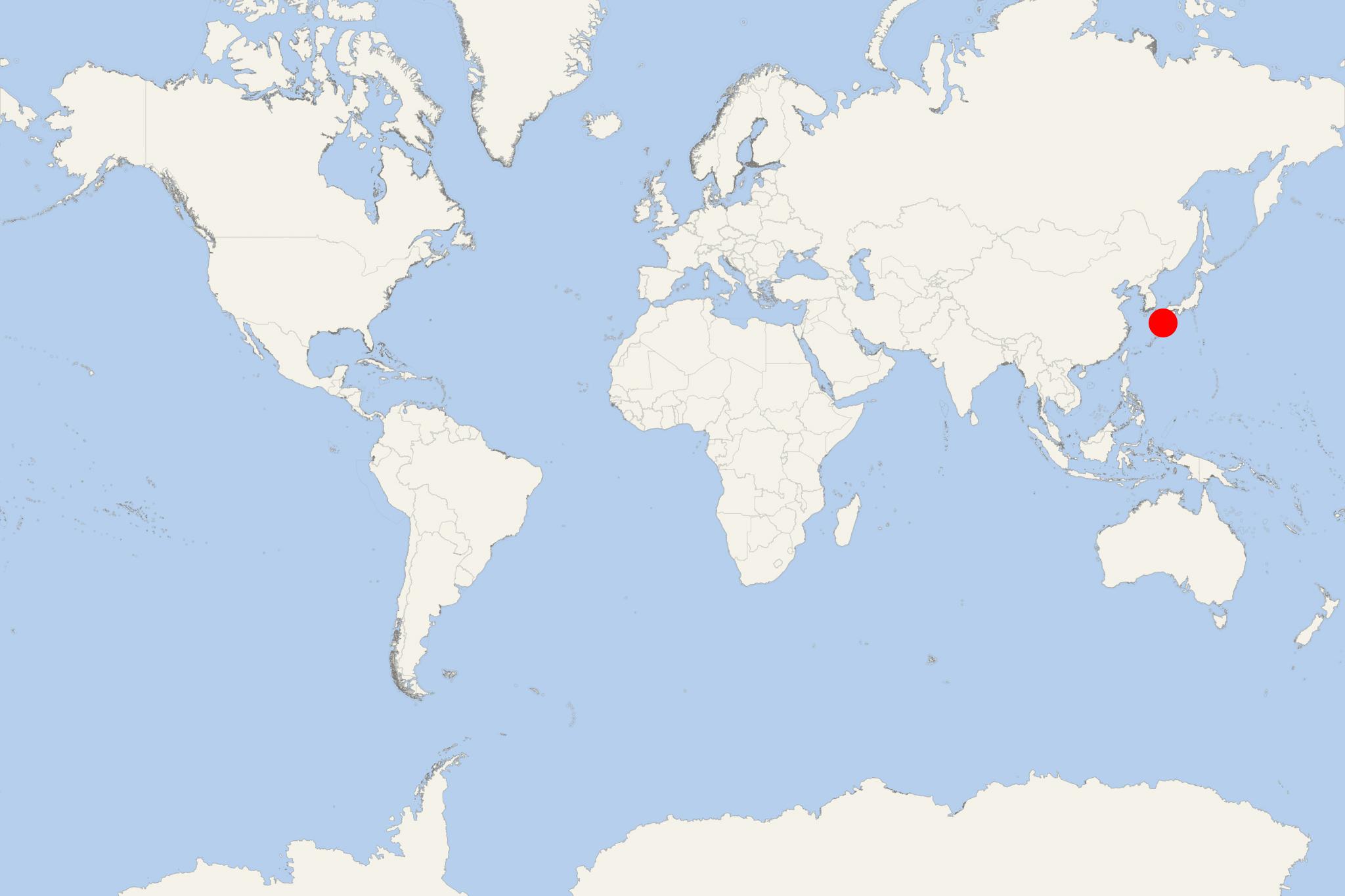
Aburatsu is a small port town and natural harbor serving Nichinan City in Japan's Miyazaki Prefecture (Kyushu Island). In 1952, the port was designated Special Major Port. In 1955 started construction works that resulted in building breakwaters and mooring (ship docking) facilities. In 1998 was inaugurated Higashi Wharf (berth), where cargo and passenger ships (container carriers, RO-RO ships, ferries, and cruise liners) can dock. In 1999 was completed a 12-meter-long wharf at the Port's eastern head.
Port Aburatsu is considered one of the gateways for cruise tourism to Miyazaki's southern regions. Nichinan City was founded in 1950 as a merger of three towns - Agata, Aburatsu, and Obi. The current-day city was officially established in 1956 when were amalgamated also several nearby villages. Its population is around 55,000.
Among the cruise ships that often dock in Aburatsu are the large Japan-flagged liner Asuka 2. The port was also visited by Legend of the Seas (now Marella Discovery 2) - the largest passenger vessel that has called here so far. In 2019 (for June 26) was booked the 1900-passenger ship Costa neoRomantica (Costa Asia).
Aburatsu is the cruise gateway to Nichinan and the southern Miyazaki coast. The port itself is not beside the main sightseeing areas: central Aburatsu is about 3 km (1.9 mi) from the berth, while the strongest attractions are farther away at Obi and along the Nichinan Coast.
Overall: Independent sightseeing is practical with some planning. Aburatsu can be explored on foot, Obi works well by taxi or train, while Udo Jingu and the more distant coastal sights are easier with a taxi, private vehicle or organized excursion.
Getting from the Cruise Port
Cruise ships normally dock directly at the East Area No. 9 and No. 10 berths, so tendering is not normally required. The berths are within a working port rather than the sightseeing center.
- Central Aburatsu: about 3 km (1.9 mi) from the port, officially listed at roughly a 30-minute walk. Allow longer at a relaxed pace or in hot weather.
- Aburatsu Station: about a 5-minute drive from the port. The station is useful for trains toward Obi.
- Shuttle buses: shuttles are used on some cruise calls, but routes, fares and operating times are call-specific. Check the information provided onboard before assuming one will operate.
- Taxis: the simplest independent option for Obi, Udo Jingu and coastal sightseeing. For a multi-stop trip, arranging a vehicle in advance is safer than relying on finding another taxi at an outlying attraction.
- Public transport: JR trains and Miyazaki Kotsu buses can be useful, but services are not frequent enough to treat them like city transit. Check the return timetable before leaving the port area.
Best Ways to Spend Your Time
Aburatsu Old Port and Horikawa Canal
Allow 1.5–3 hours. Easy independently once in town.
This is the lowest-risk option for a short call. The main sights are the historic Horikawa Canal, stone Horikawa Bridge, Yumemi Bridge, Aburatsu Red Brick Hall and the traditional streets around the shopping arcade. Restaurants in the area are also a practical place to try Nichinan seafood or bonito.
The main drawback is the approach from the cruise berth. Walking from the ship adds about 3 km (1.9 mi) each way, so a shuttle or short taxi ride greatly improves this option when available.
Obi Castle Town
Allow 3–4 hours. Independent with some planning.
Obi is generally the best independent excursion from Aburatsu. The preserved castle town is about 8 km (5.0 mi) from the berth and around 15–20 minutes by car. Its compact historic district includes Otemon Gate, moss-covered castle walls, former samurai residences, traditional streets, Shintokudo domain school and several small museums and houses.
A taxi is the easiest option. Alternatively, reach Aburatsu Station and take the JR Nichinan Line to Obi; the train journey itself is around 10 minutes. From Obi Station, allow another 15–20 minutes on foot to reach the core of the castle district. Train frequency is limited, so plan around a specific return service rather than arriving at the station and waiting.
Udo Jingu and the Nichinan Coast
Allow about 2.5–3.5 hours for Udo alone, or 3–4 hours combined with another nearby coastal stop. Independent transport required.
Udo Jingu is about 12 km (7.5 mi) from the port. The main shrine stands inside a sea cave beneath the cliffs, making it one of the most distinctive sights near Aburatsu. The visit involves walking, slopes and stairs, so it is less suitable for passengers with limited mobility.
Scheduled buses connect the Aburatsu area with Udo Jingu and points farther north, but departures are relatively limited. A taxi, prearranged car or excursion gives substantially more flexibility. Sun Messe Nichinan, known for its coastal setting and Moai replicas, can be combined with Udo Jingu because the two are a short drive apart.
Aoshima and the Northern Nichinan Coast
Allow at least 4–5 hours. Organized excursion or prearranged transport recommended.
Aoshima is about 30 km (18.6 mi) from Aburatsu Port and approximately 40 minutes away by road under normal conditions. The small island, Aoshima Shrine and the unusual coastal rock formations known as the Devil's Washboard make a good scenic destination, but the transfer consumes a significant part of a cruise call.
Public transport is possible but introduces more schedule risk. A cruise excursion or prearranged taxi is usually the more practical choice, particularly if combining Aoshima with Udo Jingu or other stops along the coast.
Cape Toi
Best for a long port call. Organized excursion recommended.
Cape Toi lies roughly 45 km (28.0 mi) south of the port, around 50 minutes by road each way. The cape is known for its coastal landscape and free-ranging Misaki horses. Public transport is not convenient for a cruise-day visit, so this is primarily a guided tour or private-car destination. Avoid combining it with distant northern sights such as Aoshima unless the ship has an unusually long stay.
Self-Guided Walking Tours
Easy Aburatsu Town Loop
Distance: about 2.5–3 km (1.6–1.9 mi) within town
Pure walking time: about 40 minutes
Recommended time: 1.5–2 hours
Difficulty: Easy; generally level urban walking
This route works best if your ship provides a shuttle into central Aburatsu or you take a taxi from the berth.
- Horikawa Bridge – begin beside the historic canal and stone bridge.
- Horikawa Canal waterfront – follow the waterside through the old port district.
- Yumemi Bridge – a wooden bridge built with local Obi cedar and traditional joinery.
- Aburatsu Red Brick Hall – a preserved early-20th-century brick warehouse beside the canal.
- Sugimura Hardware Store – a distinctive historic wooden commercial building on the old route toward the port.
- Aburatsu Shopping Arcade – finish with cafés, local shops or a meal before returning to your shuttle or taxi.
If you walk all the way from the cruise berth instead of using transport, the complete outing becomes roughly 8–9 km (5.0–5.6 mi). Allow around 2.5–3 hours and extra time in warm or humid weather.
Obi Castle Town Walk
Distance: about 3.5–4 km (2.2–2.5 mi) from Obi Station and back
Pure walking time: about 50–60 minutes
Recommended time: 2–3 hours in Obi
Difficulty: Easy to moderate; mostly gentle streets with stone steps around the castle
- JR Obi Station – walk toward the historic center.
- Traditional merchant streets – follow the preserved townscape and waterways toward the castle area.
- Yoshokan – a former samurai residence and garden close to the castle entrance.
- Otemon Gate – the reconstructed main gateway into the former castle.
- Obi Castle grounds – explore the stone walls, steps and cedar-shaded former enclosures.
- Matsuo-no-Maru or the Historical Museum – choose one if time is limited rather than trying to visit every paid building.
- Shintokudo – the former domain school, then return through town to Obi Station.
Before starting the walk, note the departure time of your return train. If the schedule leaves an uncomfortable margin, use a taxi back to Aburatsu instead.
When an Organized Excursion Makes Sense
An excursion is most useful for itineraries combining several scattered coastal attractions. Udo Jingu, Sun Messe Nichinan and Aoshima lie along the same general coastal corridor and work much better by coach or private vehicle than by trying to coordinate several public buses.
Cape Toi is also better treated as an excursion destination because of its distance and limited public transport. By contrast, paying for a full-day tour is usually unnecessary if your only objective is Obi Castle Town or central Aburatsu.
Practical Tips
- Check the ship's information for the exact berth, port shuttle arrangements and all-aboard time before leaving.
- For independent train or bus trips, identify the return service before setting out; frequencies can be limited.
- Summer conditions in southern Miyazaki can make a seemingly modest walk tiring. Carry water and allow extra time for the 3 km (1.9 mi) walk between the port and central Aburatsu.
- For Obi or Udo Jingu, aim to be back in the Aburatsu area with a comfortable margin rather than timing your return to the final possible connection.
- For Aoshima, Cape Toi or any multi-stop coastal drive, a larger return margin is sensible because road delays can affect the journey back to the ship.