

Carrara (Italy)
Cruise Port schedule, live map, terminals, news
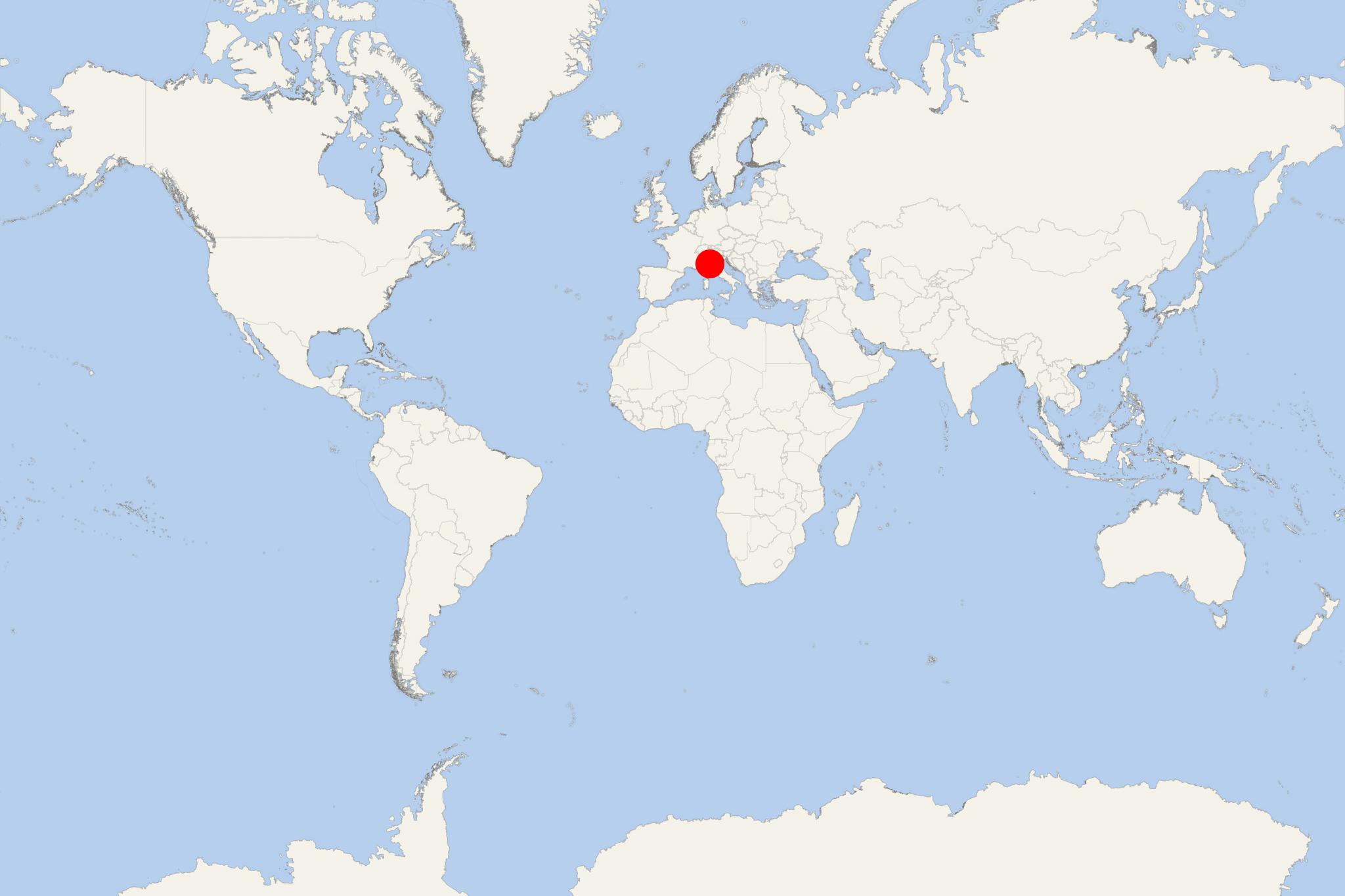
Region
Mediterranean - Black Sea
Local Time
2026-10-06 02:39
 65°F
65°F 18.2°C
 Very Light
1.6 m/s
 71 °F / 22 °C
 51 °F / 11 °C
Port Carrara cruise ship schedule shows timetable calendars of all arrival and departure dates by month. The port's schedule lists all ships (in links) with cruises going to or leaving from Carrara, Italy. To see the full itineraries (ports of call dates and arrival / departure times) and their lowest rates – just follow the corresponding ship-link.
| Day | Ship | Arrival | Departure |
|---|---|---|---|
| 5 June, 2026 Friday |  Marella Discovery 2 Marella Discovery 2 | 07:00 | 19:00 |
| 9 June, 2026 Tuesday |  Valiant Lady Valiant Lady | 08:00 | 20:00 |
| 16 June, 2026 Tuesday |  Emerald Sakara Emerald Sakara |
Carrara is a port city in Tuscany (Italy), best known worldwide for the high-quality marble quarried there. The town is on Carrione River, at approx 100 km (62 mi) west-northwest of Florence. Carrara has total area 71 km2 (27 mi2) and population around 64,000.
As cruise port to Florence and Pisa, Carrara is an alternative to Port Livorno, from where these popular tourist cities are also accessed via shore excursions/bus tours.
Settlements in this area were known since the early 9th century BC. The town later originated from the borough built for the quarry workers. At the end of 19th century Carrara became Italy's cradle of anarchism, in particular among quarry workers. The quarry workers, including stone carvers, had radical beliefs which set them apart from others. Carrara is the birthplace of IFA (International Federation of Anarchists), formed in 1968.
The marble quarries were created by the Romans in the early 2nd century BC. Since that time, Carrara is associated with marble quarrying and carving. Marble blocks were exported from the Luni harbor at Magra River's mouth.
Carrara marble was used for the construction of Rome's Pantheon and Trajan's Column. In addition to the quarries, Carrara also features a Fine Arts Academy and an antiquities museum. A marble technology fair is hosted here each year. Here is sculpted also marble imported from other quarries.
Among Carrara's best tourist attractions are Duomo (12th-century Cathedral), Ducal Palace (16th-century), Cybo-Malaspina Palace (16th-century), San Francesco Church (16th-century), Santa Maria Assunta Church (15th-century).
Carrara cruise terminal
Cruise ships to Carrara dock (anchor) at the Marina di Carrara (shown on the above photo). The port is a harbor type and small.
Cruise ships normally dock in the commercial port of Marina di Carrara, rather than in Carrara’s historic center. The port is primarily an industrial marble-handling facility, so passengers may be transferred by shuttle from the ship through the restricted dock area. Marina di Carrara is easy to explore independently, while the marble quarries and more distant Tuscan destinations require transport and careful timing.
At a Glance
- Marina di Carrara: Easy independently for a waterfront walk, cafés and the beach.
- Carrara historic center: Independent with some planning; it is approximately 7 km (4.3 mi) inland and connected by local buses and taxis.
- Marble quarries: Organized excursion recommended because the active quarry basins are spread across steep mountain roads with heavy industrial traffic.
- Pisa, Lucca or Cinque Terre: Possible during a sufficiently long call, but transport time and train connections reduce sightseeing time.
Getting from the Cruise Port
Follow the ship’s instructions for leaving the working port; walking independently across the dock area may not be permitted. Shuttle arrangements and drop-off points can vary by call, so confirm the final return location and last shuttle time before setting out.
Local buses link Marina di Carrara with Carrara-Avenza railway station and central Carrara. Carrara-Avenza station is roughly 3 km (1.9 mi) from the waterfront and is the departure point for regional trains toward La Spezia, Pisa and other nearby cities. A taxi is more convenient when coordinating with a specific train or pre-booked quarry tour.
Best Ways to Spend Your Time
Tour the Carrara Marble Quarries
The quarry landscape in the Apuan Alps is the port’s most distinctive experience. Tours commonly visit viewpoints or quarry areas around Fantiscritti, Colonnata or Torano, sometimes using four-wheel-drive vehicles and entering locations inaccessible to ordinary visitors.
Allow approximately 3–5 hours from the port, depending on the itinerary. A guided excursion or pre-arranged driver is strongly recommended: quarry roads are steep and winding, remain in industrial use and are not suitable for casual walking. Wear closed, secure footwear and follow all safety instructions.
Explore Historic Carrara
Carrara’s compact center is a practical independent option for passengers interested in marble sculpture and local architecture. Highlights include Carrara Cathedral, Piazza Alberica, Via Santa Maria, the Academy of Fine Arts and numerous marble details incorporated into streets, fountains and buildings.
Allow 2–3 hours in the center, plus approximately 20–30 minutes each way for a bus or taxi from Marina di Carrara. Streets around the main squares are walkable, although some lanes have gentle slopes and uneven paving. Check museum opening days before relying on an indoor visit; the Civic Marble Museum has undergone a long redevelopment closure.
Stay in Marina di Carrara
For a relaxed call, remain near the coast and combine the marina, seafront promenade, cafés and beach. The resort area is mostly flat and easier to navigate than inland Carrara.
Much of the shoreline is divided into managed beach establishments, although public-access sections are also available. Beach conditions and services are seasonal. This is the lowest-risk choice when the call is short or when passengers prefer to remain close to the ship.
Visit Pisa or Lucca
Pisa and Lucca are realistic independent day trips during a long port call. The usual route begins with a bus or taxi to Carrara-Avenza station, followed by a regional train. Pisa generally requires around 45–60 minutes by train, while Lucca may involve a change and takes longer.
Allow additional time to reach the station and to walk from the destination station to the main sights. Verify both outbound and return trains before leaving, and plan to be back at Carrara-Avenza well ahead of the ship’s all-aboard time. A pre-arranged excursion offers better timing control if combining Pisa and Lucca.
See Cinque Terre
Cinque Terre is accessible by train through La Spezia, but it should be treated as a full-day outing rather than a quick visit. Concentrate on one or two villages instead of attempting all five. Transfers, connections, crowded trains and steep village streets can consume substantial time.
Independent travel is best suited to passengers comfortable with Italian regional trains and schedule changes. For shorter calls, an organized excursion is the safer choice. Boat itineraries are weather-dependent and should not be assumed to operate on every port day.
Self-Guided Walks
Easy Marina di Carrara Waterfront Walk
Route: Passenger drop-off area – marina surroundings – seafront promenade – beach area – return to the same port transfer point.
The exact starting point depends on the shuttle used for the call. From the public side of the port, follow local streets toward the waterfront and promenade rather than attempting to walk through restricted dock areas. A flexible out-and-back route of approximately 2–4 km (1.2–2.5 mi) takes 30–60 minutes of pure walking or 1.5–3 hours with a café or beach stop.
Difficulty: Easy and mostly flat. Confirm the pedestrian entrance and shuttle return point before beginning.
Moderate Carrara Marble and Old Town Walk
Start: Central Carrara after arriving by bus or taxi.
- Piazza Matteotti or the central bus stop
- Piazza Alberica and its marble paving and monuments
- Via Santa Maria and its medieval façades
- Carrara Cathedral and Piazza Duomo
- Academy of Fine Arts and the former Cybo-Malaspina residence
- Piazza Gramsci and its sculptures
- Return to the central bus stop or taxi meeting point
The circuit is approximately 2 km (1.2 mi), with about 30 minutes of pure walking. Allow 1.5–2.5 hours for sightseeing and stops.
Difficulty: Easy to moderate, with occasional slopes, steps and uneven historic paving. Leave enough time for the bus or taxi journey back to Marina di Carrara and the port shuttle.
Practical Tips
- Do not confuse Marina di Carrara, Carrara’s inland historic center and Carrara-Avenza railway station; they are separate locations.
- Pre-book quarry visits because active extraction areas cannot simply be explored safely on foot.
- Check current train and bus schedules on the day of arrival, particularly on Sundays and public holidays.
- Allow a generous return margin for traffic, regional-train delays and the transfer through the commercial port.
- For Cinque Terre or a multi-city Tuscan itinerary, prioritize the ship’s excursion or a transport provider offering a firm port-return schedule.
Carrara hotels
- Cruise Industry
Abercrombie & Kent and Crystal Cruises schedule cultural voyages for 2027
Abercrombie & Kent/A&K Travel has entered into a partnership with the sister-brand Crystal Cruises to offer a series of 10 culture-themed...
December 27, 2025 - show more news