

Douarnenez (Brittany France)
Cruise Port schedule, live map, terminals, news

Region
Western Europe - Azores - Canary Islands
Local Time
2026-10-26 13:15
 61°F
16.3°C

 Mod. breeze
7.9 m/s
 62 °F / 17 °C
57 °F / 14 °C
Port Douarnenez cruise ship schedule shows timetable calendars of all arrival and departure dates by month. The port's schedule lists all ships (in links) with cruises going to or leaving from Douarnenez, Brittany France. To see the full itineraries (ports of call dates and arrival / departure times) and their lowest rates – just follow the corresponding ship-link.
| Day | Ship | Arrival | Departure |
|---|---|---|---|
| 3 May, 2027 Monday |  MS Fridtjof Nansen | ||
| 22 May, 2027 Saturday |  Hanseatic Nature | 07:00 | 17:00 |
Douarnenez is an Atlantic port (locode FRDRZ) and town in France's Brittany region (Finistere department) with population around 15,000. The town is at Pouldavid River's mouth.
Also at the Pouldavid Estuary (just off Douarnenez) is located Ile Tristan - a small island (length 450 m / 1480 ft, width 250 m / 820 ft) on which in the 19th-century was built Brittany's first canning factory for sardines. Tristan Island is currently uninhabited (part of Parc Naturel Marin d'Iroise/Iroise Sea Marine Park) and accessible to tourists at low tide (can be reached by foot).
As cruise port, Douarnenez is visited mainly by small- and mid-sized ships and superyachts operated by premium travel brands like Seabourn, Hapag-Lloyd, Crystal, Silversea, Scenic, SeaDream.
The local economy is traditionally based on the fishing industry (canning factories processing sardines and mackerel). The tourism industry is growing in the last decades, with mainly domestic tourists being attracted by the town's scenic location, warm climate, sandy beaches, modern marinas (docks/berthing facilities for pleasure boats and yachts).
Douarnenez actually has two ports - Port Rosmeur (on the peninsula's eastern side) and Port Rhu (on the western side), with the downtown being at the peninsula's top. Both harbors are accessed via steep and narrow cobbled streets climbing up to Douarnenez. The promenade at Port Rosmeur is lined with restaurants and cafes. Within close proximity to downtown are located tourist-oriented sports facilities (tennis, golf, petanque/boules, walking, cycling, horse-riding).
Easy independently once ashore: Douarnenez suits a relaxed visit focused on its old fishing harbour, maritime museum and coastal viewpoints. The waterfronts are walkable, but streets connecting them climb through the town and may include steps. Choose a harbour stroll for an easier outing, or combine the town with Plomarc’h for a more active walk.
Getting Ashore and Around
Expect a tender transfer from an offshore anchorage on many cruise calls. Rosmeur has been used for passenger landings, but confirm your ship’s actual landing point before planning a route. Rosmeur, Port-Rhu and Tréboul are separate harbours; the mapped port position should not be treated as your passenger exit.
From a Rosmeur landing, follow the designated exit to the public harbourfront. Cafés and the old fishing quarter are nearby. Allow approximately 20–30 minutes to walk between the old Rosmeur waterfront and the Port-musée at Port-Rhu, depending on your starting point and route.
Walking is practical for central sightseeing. TUD’Bus serves the town and Tréboul, including the Sables Blancs area, but check the current timetable before relying on it. For an outing beyond Douarnenez, arrange a taxi or private transfer with a confirmed return rather than assuming a vehicle will be waiting.
Best Ways to Spend Your Time
Rosmeur and the Old Town
Allow 1–2 hours for the old harbour, colourful waterfront houses and lanes rising behind the quays. Add a café stop or a crêpe lunch for an unhurried visit. This is the simplest independent option from a Rosmeur landing. Stay on public paths around the working fishing port; uphill lanes and stairways are optional.
Port-Rhu and the Port-musée
Allow 2–3 hours for the museum and a stroll along Port-Rhu, plus travel from your landing point. The indoor collections cover boats and maritime life, while the floating collection offers vessel visits when available. Check opening times and current boat access before setting out: seasonal hours and midday closures can affect a short call. Boarding historic vessels involves steps and confined spaces.
Plomarc’h Coastal Views
Allow 1½–2½ hours from the Rosmeur waterfront for a walk up to Plomarc’h and back. The site combines views over the harbour and bay with traditional stone houses, gardens and remains of Roman fish-processing vats. It is practical independently for walkers comfortable with slopes and uneven paths. Wear shoes with grip, especially after rain, and turn back before extending too far along the coastal trail.
A Beach Break
Plage des Dames, facing Île Tristan, offers a short beach stop close to the central waterfront; nearby Pors Cad is another option. Both are unsupervised. For a longer beach outing, consider Sables Blancs in Tréboul, reached by taxi or local bus with some planning. Allow 2–3 hours including transport, and check bathing notices and conditions on arrival.
Self-Guided Walking Route
Rosmeur, Town Centre and Port-Rhu — Moderate
Start: the public waterfront at the old Rosmeur harbour, after leaving your ship’s landing area. Allow extra time if your tender lands elsewhere.
- Old Rosmeur harbour: follow the public quays past the boats and waterfront houses.
- Rosmeur lanes: climb through the old fishing quarter towards the town centre.
- Place des Halles: pause around the central streets for shops or refreshments.
- Port-musée, Place de l’Enfer: descend towards Port-Rhu; visit the museum if its opening times suit your call.
- Port-Rhu quays: take a short waterfront stroll to see the historic boats from shore.
- Plage des Dames: continue towards the seafront for a view of Île Tristan, then return through town to Rosmeur.
Approximate distance: 3–4 km (1.9–2.5 mi), depending on detours. Pure walking time: 60–80 minutes. Recommended total: 2–3 hours, excluding a full museum visit. Expect uphill and downhill streets, uneven paving and possible steps. Finish at your confirmed tender landing.
For more historical interpretation, obtain the tourist office’s Chemin de la Sardine map. Its bronze pavement markers and illustrated panels connect maritime sites across town; you can follow a section rather than complete the whole trail.
Visits Requiring More Planning
Île Tristan
The island is a conditional option, not a routine walk across at low tide. Access is restricted to published opening dates and crossing windows or authorized guided visits. Check arrangements with the tourist office and ensure the visit leaves enough time for your ship’s tender return. If the timing does not fit, enjoy the island views from the mainland.
Locronan
For a nearby village excursion, Locronan offers a compact stone-built centre, church square and craft shops. Independent visiting requires planned transport and a confirmed return. Allow roughly half a day overall rather than adding it to a full Douarnenez itinerary. An organized excursion is useful when your call is short or tender timing makes an independent connection uncertain.
Returning to the Ship
- Use the ship’s last-tender time, which is earlier than sailing time, as your deadline.
- For local sightseeing, aim to reach the landing at least 30–45 minutes before the last tender, allowing more time if queues or weather slow operations.
- Leave a larger margin after trips outside town, accounting for road delays and the tender transfer.
- Carry a windproof or waterproof layer. Wet paving, coastal paths and boarding surfaces can be slippery.
- Passengers with limited mobility should check tender boarding arrangements separately from accessibility at attractions ashore.
Douarnenez hotels
- Accidents

World Traveller's passengers met with cries of disapproval at Douarnenez port (Brittany, France)
On Sunday, October 8th, in Brittany France, the passengers of the World Traveller cruise ship disembarked to a gathering of approximately 80...
October 10, 2023 - Cruise Industry
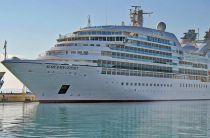
Seabourn's 2022 voyages in Europe, Alaska-BC, Canada-New England
The ultra-premium cruise brand Seabourn opened for booking summer and fall 2022 voyages on February 5. The itinerary program includes Europe, Alaska...
February 5, 2021 - show more news