

Dakar (Senegal)
Cruise Port schedule, live map, terminals, news
Region
Africa - Indian Ocean Islands
Local Time
2026-10-21 19:53
 82°F
27.8°C

 Mod. breeze
7 m/s
 85 °F / 30 °C
81 °F / 28 °C
Port Dakar cruise ship schedule shows timetable calendars of all arrival and departure dates by month. The port's schedule lists all ships (in links) with cruises going to or leaving from Dakar, Senegal. To see the full itineraries (ports of call dates and arrival / departure times) and their lowest rates – just follow the corresponding ship-link.
| Day | Ship | Arrival | Departure |
|---|---|---|---|
| 11 April, 2028 Tuesday |  Silver Endeavour | 12:00 | 12:00 |
| 12 April, 2028 Wednesday | Silver Endeavour | 19:00 | |
| 16 April, 2028 Sunday |  Seabourn Quest | 08:00 | 18:00 |
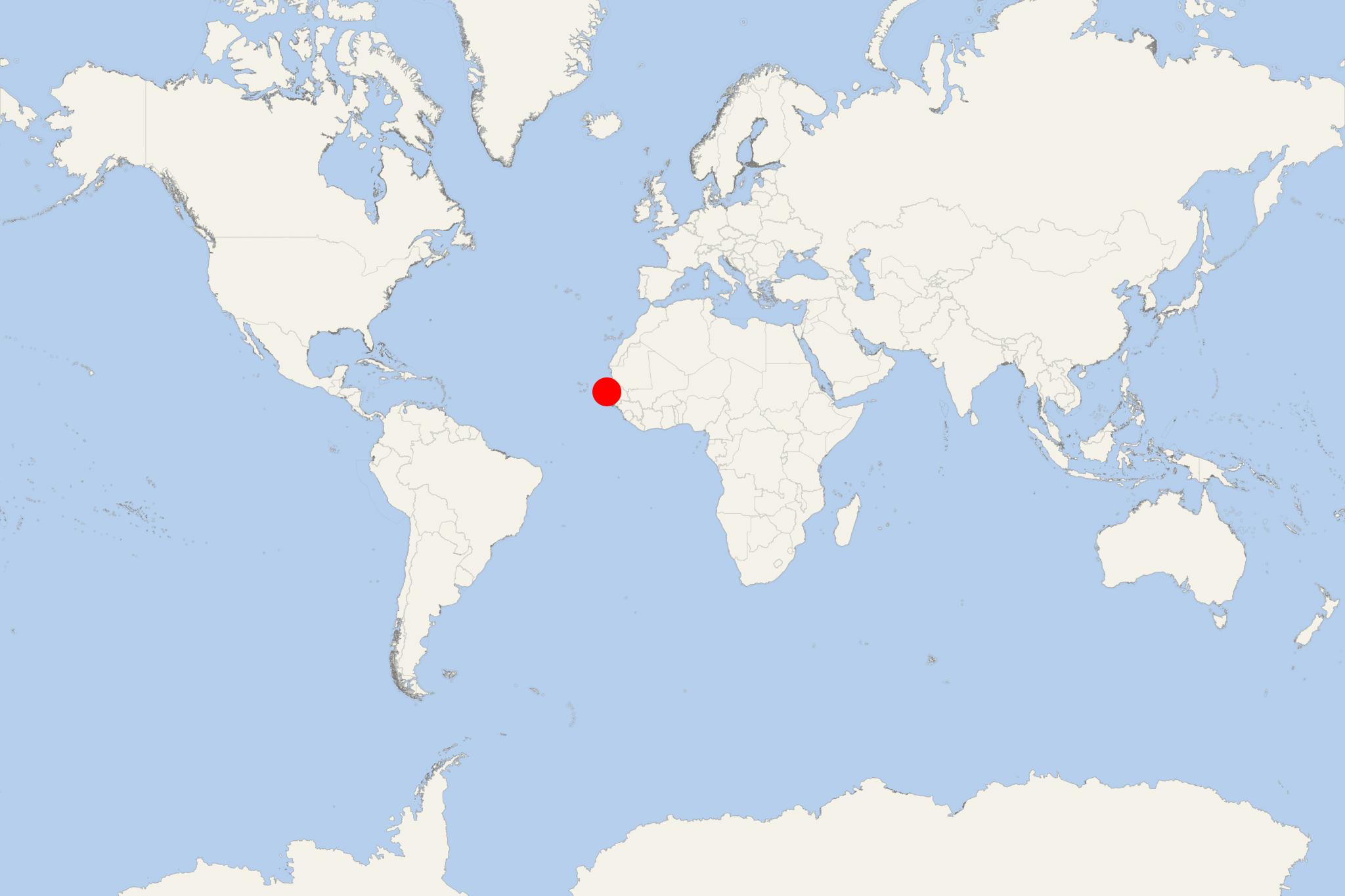
Dakar is a major seaport and the capital city of Senegal (western Africa). The country was a French overseas territory until 1960. Port Dakar (locode SNDKR) is on the Cape Verde Peninsula (Africa's westernmost point).
The city architecture features contemporary skyscrapers mixed with colonial-era buildings, museums, art galleries, lively street markets. French is the common language, though with many tribal dialects much in evidence. The city has urban population around 1,47 million (metropolitan around 2,5 million) and covers a total area of 83 km2 (32 ml2).
As a cruise shore excursion in Dakar is visited Goree Island (Ile de Goree), The island was the main assembly point for slave shipments to the Americas. This destination is accessed via regularly scheduled ferryboats (approx 3-hour travel) leaving directly from the Port. Ile de Goree features a fascinating museum (Maison des Esclaves) and grandeur colonial mansions. The House of Slaves (one of the island's oldest, built by the Metis family in the late 18th century) is now functioning as a museum themed on the slave trade's horrors. Within easy reach are also several beautiful Atlantic Ocean beaches. Nearby N'Gor offers good snorkeling.
Dakar was founded in 1857 by the French, and gained importance from the completion in 1885 of a railway linking it with the city of Saint Louis. In 1902 it replaced Saint Louis as French West Africa's capital.
Dakar cruise terminal
Cruise ships in Dakar dock at Mole 1 terminal, from where the city center is approx 1 ml (1,6 km) away. Outside the port's entranse there are waiting taxis. Rates are cheap, but negotiating the taxi price in advance is highly recommended. Beware of pickpockets amd secure your valuables at all times. Due to high crime, pre-booked guided tours are recommended.
Exploring Dakar During a Cruise Call
Independent with some planning or transport. Central Dakar is close to the port, but heavy traffic, heat and uneven pavements make sightseeing less straightforward than the distance suggests. A short Plateau walking tour is manageable for confident walkers. Gorée Island is practical independently if ferry timings fit your call; a prearranged driver or organized excursion is preferable for the coastal sights.
For a typical 7–8-hour call, choose one main outing: Gorée, central Dakar with a museum, or a coastal city tour. Trying to cover all three leaves little room for delays.
Getting from the Cruise Port
Cruise ships normally dock at Mole 1 in the working Port of Dakar, rather than tendering. The city center is approximately 1.6 km (1.0 mi) from the cruise berth, but your walking distance depends on the authorized passenger exit. Follow the ship’s instructions through the port rather than using the shortest route shown on a map.
Confirm whether your cruise line provides a shuttle and where it stops. Taxis are generally available outside the main port entrance. Agree the fare, destination and any waiting time before departure; for a longer outing, arrange the return journey as well.
The Gorée ferry departs from the Gare Maritime beside the port area, not from your cruise berth. Ask how to reach its passenger entrance from your assigned exit. Local buses operate in Dakar, but taxis are simpler for a short call unless you have already verified the route and boarding point.
Best Ways to Spend Your Time
Gorée Island: Historic Lanes and Memorial Sites
The public ferry crossing takes approximately 20 minutes each way. Allow around 4–5 hours for the complete outing, including reaching the terminal, ticketing, boarding, an island visit and the return crossing.
Gorée is car-free and compact. Explore the waterfront, colorful lanes and Saint-Charles Church, and visit the Maison des Esclaves if open. This memorial to the Atlantic slave trade is best approached as a place for reflection. The Historical Museum in Fort d’Estrées is another option; choose your museum stops according to opening arrangements and available time.
Independent with planning: check the day’s ferry departures and return sailings before buying tickets. Queues and waiting time can take longer than the crossing. Choose an early return with a later sailing still available as a fallback. A guided excursion simplifies the connections and adds context.
Central Dakar: Markets, Architecture and a Museum
Allow 2–4 hours for the Plateau district. Place de l’Indépendance, Marché Kermel and Dakar Cathedral form a useful compact introduction to the city. Kermel is a working food and flower market; surrounding stalls offer browsing opportunities, but expect approaches from vendors.
For an indoor cultural stop, consider the Musée des Civilisations Noires, with exhibitions on African cultures and their wider contributions, or the Théodore Monod Museum of African Art near Place Soweto. Allow approximately 1–1.5 hours for one museum and confirm opening arrangements before setting out.
Practical independently: take a taxi to your starting point and explore on foot. A local guide is helpful if you prefer assistance with navigation, market visits and interpretation.
African Renaissance Monument and the Corniche
A driver-led outing can combine the African Renaissance Monument, coastal views along the Corniche and an exterior viewpoint of the Mosque of the Divinity. Allow approximately 3–4 hours, depending on traffic and the number of stops.
The monument is around 10 km (6.2 mi) from central Dakar. The drive may take roughly 20–40 minutes, and longer in congestion. Its main approach has 198 steps, making the climb demanding in hot weather. Allow 45–75 minutes for the monument, with extra time if you plan an interior visit.
Prearranged transport recommended: these sights are too spread out for a port-day walking route. Agree the itinerary and return time with your driver. Treat the mosque as an exterior stop unless visitor access has been confirmed.
Ngor: A Beach-Focused Alternative
Ngor offers a coastal break from downtown sightseeing, with a mainland beach and small boats serving Ngor Island. Allow about 4–5 hours for a relaxed outing with transport and lunch. The drive from the Plateau commonly takes 30–45 minutes each way, but traffic can extend it substantially.
Independent with arranged transport: organize your return vehicle before leaving the port. The mainland beach avoids an additional boat connection. If visiting the island, check sea conditions, life jackets and return arrangements before boarding. Ask locally about swimming conditions; exposed Atlantic beaches can have strong surf and currents.
Self-Guided Walking Routes
Plateau Loop: Markets and Civic Landmarks
Start and finish: Place de l’Indépendance, reached by taxi or a confirmed ship shuttle. The loop is approximately 3 km (1.9 mi), with 45–60 minutes of pure walking. Allow 2–3 hours for browsing and stops, or longer with a museum visit.
- Place de l’Indépendance: orient yourself among the square’s civic buildings.
- Marché Kermel: browse the covered market and surrounding streets.
- Avenue Léopold Sédar Senghor: continue through the older Plateau district.
- Dakar Cathedral: view the exterior; enter only if open to visitors and no service is being disturbed.
- Place Soweto and the Théodore Monod Museum: pause at the square or add a museum visit if open.
- Place de l’Indépendance: return for your arranged taxi or shuttle connection.
Difficulty: easy in distance and generally level, but moderate in practice because of heat, busy crossings and uneven or obstructed pavements. This is an urban route, with limited shade. Use a taxi back to the port if conditions become uncomfortable.
Gorée Village Loop
Start and finish: the island’s ferry landing. A village loop is approximately 1.5–2 km (0.9–1.2 mi), with 30–45 minutes of pure walking. Allow 2–3 hours ashore for a museum, browsing and a refreshment stop.
- Ferry landing and waterfront: identify the return boarding point immediately on arrival.
- Fort d’Estrées: view the fort or visit its Historical Museum if open.
- Village lanes: walk through the residential streets toward Saint-Charles Church.
- Saint-Charles Church: make a brief stop, respecting worship and local residents.
- Maison des Esclaves: visit the memorial if opening times and queues permit.
- Waterfront: return for refreshments and ferry boarding.
Difficulty: mostly easy, with uneven paving and occasional steps. The optional climb to the Castel viewpoint adds a steeper, exposed section; skip it if time, heat or mobility is a concern. Be at the landing before the operator’s boarding deadline.
Longer Excursions
Lac Rose is a separate outing: allow a substantial part of the call for the drive, lakeside visit and return. An organized excursion or prebooked driver familiar with cruise timings is preferable. The lake’s pink appearance varies with conditions, so do not choose the trip expecting a guaranteed color.
For a first visit, Gorée or a Dakar city tour usually provides more sightseeing time with fewer long-distance transfers. Avoid combining Lac Rose with an independent Gorée ferry trip during a standard call.
Practical Tips and Returning to the Ship
- Carry water, sun protection and comfortable shoes. Schedule exposed walks early when possible.
- Carry some West African CFA francs for small purchases and transport; confirm payment arrangements before committing.
- Keep valuables discreet in markets and crowded streets. Agree any guiding service and its price before accepting it.
- Dress respectfully for religious sites and ask before photographing people. Avoid photographing port security or guarded installations.
- Keep the ship’s berth details, port-entry instructions and emergency contact with you. Confirm whether ship time matches local time.
- For independent mainland outings, aim to reach the port at least one hour before all-aboard, allowing additional time for traffic and port procedures.
- From Gorée, plan a ferry that gets you back to mainland Dakar at least 90 minutes before all-aboard, with a larger margin when services are busy or conditions are uncertain.
Dakar hotels
- Cruise Industry
Swan Hellenic extends West African cruises with Grand Voyages
Swan Hellenic has outlined an expanded programme of expedition sailings along the western coast of Africa, introducing two extended voyages for 2026...
April 19, 2026 - Cruise Industry
Swan Hellenic unveils 2026 West Africa Grand Voyages
Swan Hellenic has announced two comprehensive West African Grand Voyages for 2026, offering in-depth exploration along the continent's Atlantic/East...
April 11, 2025 - Cruise Industry
Cunard Line unveils 2026-2027 Global Voyages: 101 destinations, inaugural South America cruises
Cunard Line has announced its upcoming programme of voyages for the 2026-2027 season, featuring an extensive range of destinations and itineraries...
October 9, 2024 - Cruise Industry
Cunard unveils 2025-2027 voyages, new Caribbean routes, simultaneous World Cruises
Cunard announced the commencement of sales for sailings spanning from September 2025 to January 2027, inclusive of new Caribbean itineraries leaving...
February 22, 2024 - Cruise Industry
Swan Hellenic introduces 2024 West African Cultural Expedition Cruises
Swan Hellenic's upcoming cultural expedition voyages in early 2024 along the west coast of Africa are rapidly gaining attention and selling out...
December 16, 2023 - Cruise Industry
Variety Cruises' ship Harmony G is back to West Africa after COVID
Next month, Variety Cruises is set to resume small ship sailings in West Africa, marking the first return since the pandemic. The company will...
November 9, 2023 - Cruise Industry
Swan Hellenic unveils cultural expedition voyages exploring the East/West coasts of Africa
Swan Hellenic announced its cultural expedition voyages of Africa for 2023 as its SH Vega ship reached the continent from Antarctica. Customers have...
March 28, 2023 - Cruise Industry
Hurtigruten Expeditions 2023-2024 season features more West Africa & South America cruises
Hurtigruten Expeditions has expanded its global offering of small-ship expedition voyages in recent years, adding destinations like the Galapagos...
December 13, 2021 - Cruise Industry
Hurtigruten adds expedition cruises to Russia’s White Sea
Hurtigruten Expeditions announced it is adding another new region to its growing list of destinations: Arctic Russia, and particularly the White Sea...
August 28, 2021 - Cruise Industry
Hurtigruten's ship MS Spitsbergen offers African island cruises in 2022
Hurtigruten Expeditions is adding West Coast Africa and two archipelagos - Cape Verde and Bissagos, to its list of new destinations. The 13-day...
August 15, 2021 - show more news