

Elephant Island Antarctica (South Shetlands)
Cruise Port schedule, live map, terminals, news
Region
Arctic - Antarctica
Local Time
2026-10-21 15:11
 32°F
-0.1°C

 Gale
17.5 m/s
 34 °F / 1 °C
29 °F / -1 °C
Port Elephant Island Antarctica cruise ship schedule shows timetable calendars of all arrival and departure dates by month. The port's schedule lists all ships (in links) with cruises going to or leaving from Elephant Island Antarctica, South Shetlands. To see the full itineraries (ports of call dates and arrival / departure times) and their lowest rates – just follow the corresponding ship-link.
| Day | Ship | Arrival | Departure |
|---|---|---|---|
| 16 November, 2026 Monday |  Douglas Mawson | ||
| 18 November, 2026 Wednesday |  Silver Wind | 06:00 | 06:00 |
| 18 November, 2026 Wednesday | Silver Cloud | 06:00 | 06:00 |
Elephant Island is an uninhabited ice-covered mountainous island located off the coast of Antarctica in the South Shetland Islands' outer reaches, in the Southern Ocean. The name if the island was given by early explorers who sighted elephant seals on the shores.
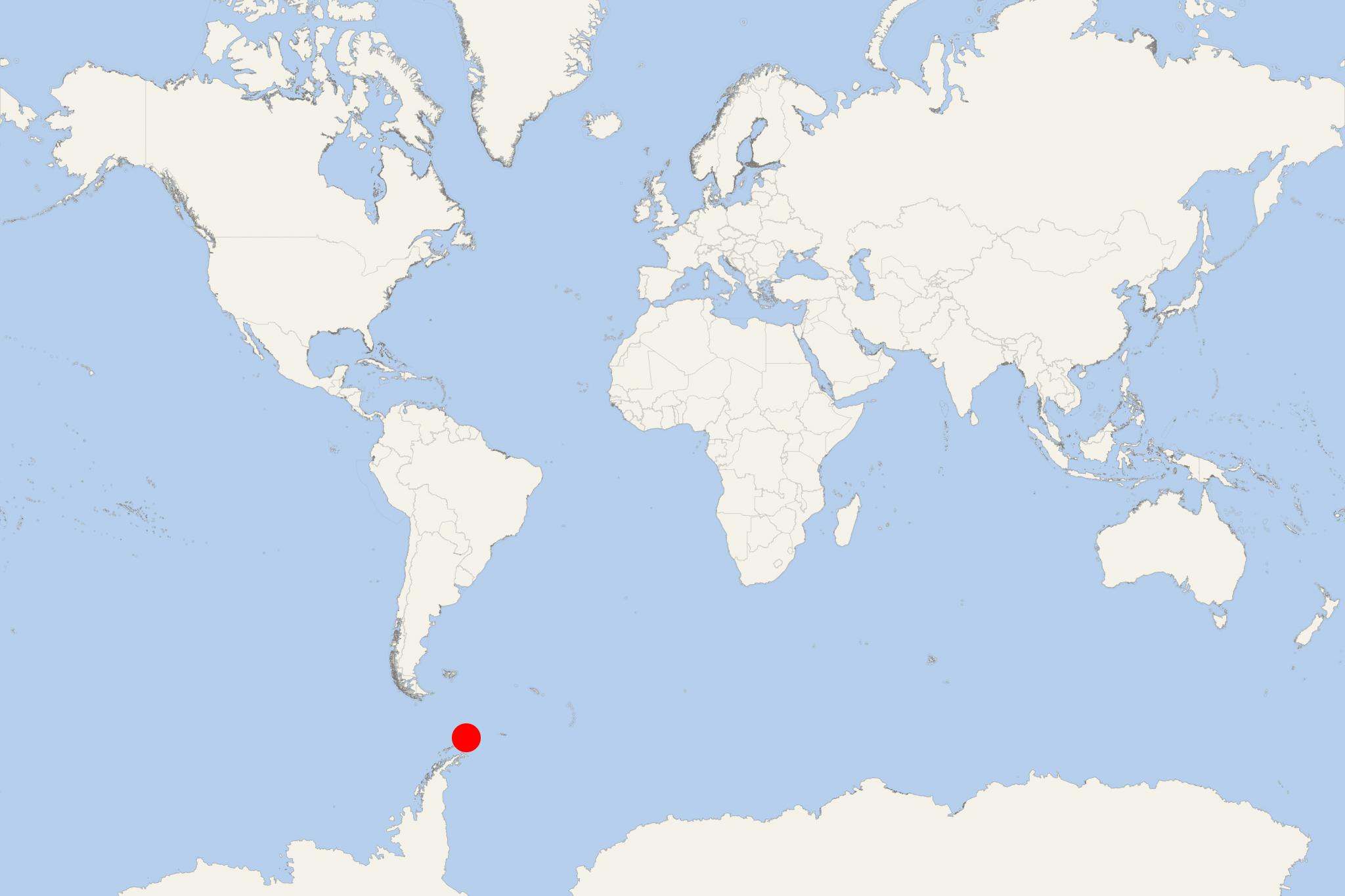
The island has a total area of 558 km2 (215 mi2). It is situated 245 km (152 mi) north-northeast of Antarctic Peninsula's tip, 1253 km (779 mi) west-southwest of South Georgia, 935 km (581 mi) south of Falkland Islands UK, and 885 km (550 mi) southeast of Cape Horn.
Most cruise ships to Elephant Island anchor off Half Moon Island.
Elephant Island is within the Antarctic claims of the UK, Argentina and Chile. Brazil has 2 shelters (Wiltgen and Goeldi) each supporting up to 6 researchers during the summer months.
The island is oriented east-west and has highest elevation 2800 ft/853 m (at Pardo Ridge). Important features include Cape Lookout, Cape Yelcho and Cape Valentine at the southern and northeastern extremes, as well as Point Wild, which is a spit located on the north coast. Endurance Glacier is the major discharge glacier. Because of the slow recovery and illegal whaling by Japan, the numbers of southern right whales visiting Elephant Island are on low level.
As most Antarctica islands, Elephant Island supports no native fauna or significant flora although migratory seals and gentoo penguins may be found. Chinstrap penguins nest during summer. The lack of safe anchorage prevented permanent human settlement, though the island is well placed to support fishing, whaling and scientific activities.
Point Wild contains Endurance Memorial Site, an Antarctic Historic Site with a bust of Capt. Pardo and a few plaques. Hampson Cove on the island's southwestern coast, including the intertidal and foreshore area, contains wreckage of a large wooden sailship. It has been designated Historic Site or Monument, following a proposal by the UK to Antarctic Treaty Consultative Meeting.
Elephant Island is an expedition stop where the realistic options are scenic cruising, a guided Zodiac outing or, exceptionally, a brief landing. Point Wild, where members of Shackleton’s Endurance expedition awaited rescue in 1916, is the main visitor focus.
Independent sightseeing is not possible. There is no passenger terminal, town or local transport. All activities away from the ship depend on the expedition team, and exposed seas can prevent even a small-boat cruise.
How Visits Work
Ships remain offshore rather than docking. Expedition vessels may launch Zodiacs after assessing wind, swell, ice and conditions at the proposed site. A scheduled call does not guarantee a landing or Zodiac outing; some itineraries offer shipboard viewing only.
Point Wild is principally a small-boat cruising site. Landings are occasional opportunities, generally associated with favorable conditions at low tide. There is no free-roaming area: any time ashore is spent in small, closely guided groups.
Best Ways to Spend Your Visit
View Point Wild by Zodiac
If offered, a guided Zodiac cruise provides views of the narrow rocky point, its chinstrap penguin colony and the surrounding cliffs and glaciers. The Captain Luis Alberto Pardo memorial commemorates the rescue of Shackleton’s stranded men and may be visible from the water.
This is primarily a seated sightseeing activity, but boarding requires a transfer between the ship and a moving inflatable boat. Expect cold wind and possible spray. The expedition team determines the route and duration; keep the full activity window free rather than expecting a fixed-length tour.
Make a Brief Guided Landing, If Conditions Allow
A landing at Point Wild offers a closer look at the setting of the Endurance crew’s camp and its memorial. Treat this as a possibility rather than the expected centerpiece of the call.
The shore consists of gravel, boulders and slippery rocks, with little space between wildlife and the sea. Even a short distance can be physically demanding. Guides control where passengers may stand or walk, and access to the memorial is subject to conditions and wildlife. This is a compact shore visit, not a hike.
Watch Scenery and Wildlife from the Ship
Shipboard observation is the most practical option on a cruise-only itinerary or when boat operations are canceled. Use binoculars to scan the rocky coastline and penguin colonies, and watch offshore for whales. Fin and humpback whales occur in these waters, although sightings are never assured.
Move between sheltered observation areas and open decks as conditions permit. Listen to bridge or expedition announcements for wildlife sightings and explanations of Point Wild; the ship’s viewing position and time nearby depend on sea conditions.
Practical Considerations
- Walking: There is no suitable self-guided route. Do not plan an inland walk or independent beach visit.
- Clothing: Wear insulating layers, waterproof outerwear, warm gloves and a secure hat. Follow the operator’s instructions for boots and flotation equipment.
- Mobility: Discuss boarding assistance and landing suitability with the expedition team before your group is called. Watching from the ship may be the more practical choice.
- Wildlife and biosecurity: Complete required boot and equipment cleaning, keep the distances specified by guides and leave wildlife routes clear. Do not touch or remove historic objects, rocks or other natural material.
- Return arrangements: Stay with your assigned group and follow recall instructions immediately. The team manages return transfers and may shorten an outing if conditions deteriorate.
- Expect changes: A landing may become a Zodiac cruise, and a Zodiac cruise may become shipboard viewing or be canceled entirely.
Elephant Island Antarctica hotels
- Cruise Industry
Silversea concludes 2024-2025 Antarctica expedition season
Silversea Cruises has successfully wrapped up its 2024-2025 Antarctic season, operating 34 voyages between October 29, 2024, and March 31, 2025...
April 18, 2025 - Accidents
Engine failure disrupts Antarctic cruise on Swan Hellenic's ship SH Diana
Passengers aboard Swan Hellenic’s expedition ship SH Diana have experienced significant disruptions during a 20-night repositioning voyage from...
November 29, 2024 - Accidents
IAATO regulations prompt NCL's ship Norwegian Star to change itinerary, skips Antarctica
NCL-Norwegian Cruise Line has made a last-minute adjustment to the itineraries of its ship, Norwegian Star, removing Antarctica from the upcoming...
February 13, 2024 - Cruise Industry
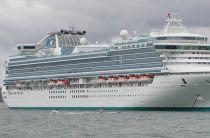
Princess Cruises opens bookings for South America & Antarctica 2024-2025 season
The luxury travel brand Princess Cruises opened for booking an array of captivating voyages scheduled for South America and Antarctica season 2024...
August 8, 2023 - Cruise Industry
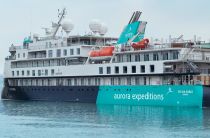
Aurora Expeditions introduces Antarctica 2024-2025 itineraries
Aurora Expeditions Australia unveiled its 2024-2025 Antarctic program of 25 voyages ranging from 9- to 23 days in duration. These voyages will...
April 14, 2023 - Cruise Industry
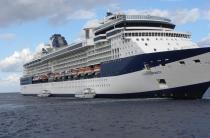
Celebrity Infinity ship bringing Celebrity Cruises back to Antarctica
Following the return of Celebrity Cruises to South America for the 2022-2023 season, the Celebrity Infinity ship will also bring the line back to...
January 27, 2023 - Accidents
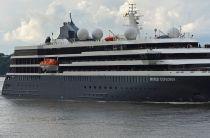
2 cruise passengers die in Quark Expeditions' Zodiac boat accident in Antarctica
A couple of passengers aboard a cruise ship chartered by Quark Expeditions died after a zodiac boat overturned during a trip close to Elephant Island...
November 20, 2022 - Cruise Industry
Silversea restarts Antarctica cruises with Silver Explorer from Puerto Williams (Chile)
The ultra-premium brand Silversea reached an agreement with Chilean authorities for homeporting in Punta Arenas and Puerto Williams...
November 21, 2021 - Cruise Industry
Silversea Cruises restarts in Antarctica from Punta Arenas, Chile
The ultra-premium brand Silversea Cruises reached an agreement with Chilean authorities for homeporting in Punta Arenas for winter 2021-2022 season...
September 8, 2021 - Cruise Industry
Silversea Cruises unveils Puerto Williams (Chile) as new departure port
Starting in November 2021 Silversea Cruises will debut Puerto Williams (Navarino Island, Chilean Antarctica), as the brand's new homeport for the...
May 2, 2021 - show more news