

Amalfi (Ravello, Italy)
Cruise Port schedule, live map, terminals, news
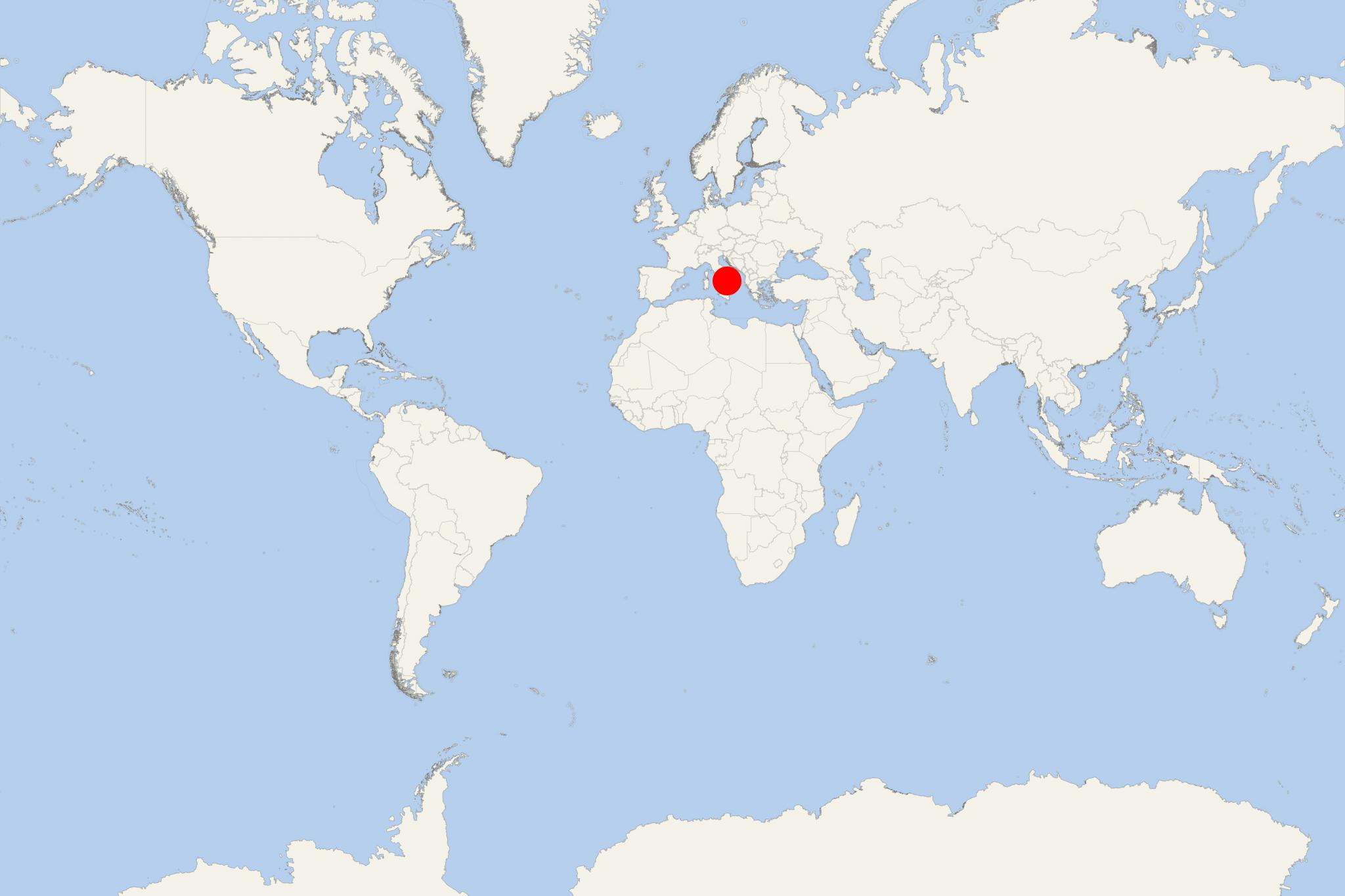
Region
Mediterranean - Black Sea
Local Time
2026-10-21 11:37
 68°F
68°F 20.1°C

 Light breeze
3 m/s
 71 °F / 22 °C
 61 °F / 17 °C
Port Amalfi cruise ship schedule shows timetable calendars of all arrival and departure dates by month. The port's schedule lists all ships (in links) with cruises going to or leaving from Amalfi, Ravello, Italy. To see the full itineraries (ports of call dates and arrival / departure times) and their lowest rates – just follow the corresponding ship-link.
| Day | Ship | Arrival | Departure |
|---|---|---|---|
| 6 October, 2026 Tuesday |  Wind Surf Wind Surf | 07:00 | 14:00 |
| 10 October, 2026 Saturday |  Silver Spirit Silver Spirit | 08:00 | 18:00 |
| 10 October, 2026 Saturday |  Ritz-Carlton Evrima Ritz-Carlton Evrima | 09:00 | 22:00 |
| 15 October, 2026 Thursday |  SeaDream I SeaDream I | ||
| 21 October, 2026 Wednesday | SeaDream I |
Amalfi (port locode ITAMA) is a port city on the Salerno Gulf, in Italy's Campania region (Salerno province) with population around 5,000. The town is at the foot of Monte Cerreto (1315 m / 4314 ft) and surrounded by coastal scenery and dramatic cliffs. Between 958 and 1137, Amalfi was the capital of the maritime Republic of Amalfi (aka the Duchy of Amalfi).
In the 1920s-1930s, Amalfi was a popular holiday destination for the British upper class and aristocracy. Amalfi is the main town of the Amalfi Coast (Costiera Amalfitana). Today it is an important tourist destination together with other cities on the same coast, such as Ravello, Positano, and others. In 1997, Amalfi was designated a UNESCO World Heritage Site. The city's patron saint is Saint Andrew, the Apostle, whose relics are kept at Amalfi Cathedral (Cattedrale di Sant'Andrea/Duomo di Amalfi).
Amalfi is a destination-led cruise port rather than an infrastructure-led port. Its major competitive advantage is that the tenders drop cruise tourists right at the edge of one of Europe's most famous coastal towns, eliminating the long transfer common at larger ports. The downside is that all cruise operations depend on tendering, and the small harbor has no purpose-built cruise terminal or large-ship berths.
As a cruise port, Amalfi is particularly attractive to small-ship and tall-ship luxury cruise companies, such as Azamara, Windstar, Silversea, Seabourn, Hapag-Lloyd, SeaDream, Star Clippers.
Amalfi is a high-value luxury cruise port of call, and a tender port lacking a conventional cruise terminal. The town is exceptionally attractive and walkable, with the waterfront immediately beside the historic downtown. The physical port is small, and large cruise ships don't berth alongside, but anchor offshore and ferry their passengers ashore by tender boats.
Smaller cruise ships and superyachts principally berth at Coppola Marina-Dock within the harbour.
Amalfi Harbor Marina Coppola can accommodate (berthing/mooring) vessels with max LOA length 35 m (115 ft) and max draft 11 m (36 ft). Marina's services include water and electricity supply, 24-hour mooring/maneuvering assistance, Wi-Fi, water taxi, technical support (mechanic/electrical), laundry, bunkering (fuel and provisions) and skipper services.
The Port of Amalfi has 47 berths (27 paid + 20 free) and accommodates mainly small to medium size recreational watercraft (small boats and sail ships) with drafts 2-6 m (7-20 ft). Additional port facilities include a slipway, a mobile crane (max 15 tonnes), repairs and security.
Amalfi is a compact and rewarding port call. Cruise ships normally anchor offshore and bring passengers ashore by tender, usually close to the ferry pier and town center. The cathedral, historic lanes, waterfront and beach are all within a short walk.
Independent sightseeing: Easy independently for Amalfi itself. Ravello and neighboring coastal towns are also possible with planning, but traffic, crowded buses, seasonal ferry schedules and tender operations require extra time.
Getting from the Cruise Port
- Tender landing: Passengers normally land at or near Amalfi’s central waterfront. The exact landing arrangement can vary by ship and local conditions.
- Town center: Piazza Duomo is approximately 300 m (0.2 mi) inland, reached in about five minutes on foot.
- Walking: No shuttle is normally needed for central Amalfi. Most lanes are pedestrianized, but routes away from the waterfront quickly encounter steps and slopes.
- Local transport: Public buses and taxis leave from the waterfront area. Seasonal ferries connect Amalfi with other coastal towns, subject to weather and operating schedules.
- Tender conditions: Wind or rough seas can delay tendering. Confirm the final return tender time before leaving the landing area.
Best Ways to Spend Your Time
Explore Amalfi on Foot
Recommended time: 2–3 hours. This is the simplest independent option and works well even during a relatively short call.
Walk from the waterfront to Piazza Duomo and visit the Cathedral of Saint Andrew, its monumental staircase and the adjoining cloister and museum complex. Continue along Via Lorenzo d’Amalfi, then follow the narrow main valley past shops, small squares, fountains and historic buildings.
Visit the Paper Museum and Valley of the Mills
Recommended time: 2–3 hours. Difficulty: Moderate, with a gradual uphill walk.
The Paper Museum occupies a historic mill approximately 800 m (0.5 mi) inland from the waterfront. Continue beyond it into the quieter upper valley to see old mill structures, streams and steep lemon-growing terraces. This shorter valley walk provides some of the atmosphere of the Valle delle Ferriere without committing to a long hike.
Combine Amalfi with Ravello
Recommended time: 4–5 hours. Independent with planning or transport.
Ravello lies about 7 km (4.3 mi) from Amalfi by road, high above the coast. Public buses generally take around 25–35 minutes when traffic is flowing, while a taxi or locally operated shuttle may be more predictable. In Ravello, focus on the compact center and one major villa garden, such as Villa Rufolo or Villa Cimbrone.
Allow for queues and delays on the winding road. During busy periods, buses can be crowded, so a ship excursion, prearranged transfer or taxi may be preferable when the port call is short.
See Another Coastal Town by Ferry
Recommended time: At least 4–5 hours. Independent with careful planning.
When seasonal ferry services are operating, traveling by sea is usually more comfortable and predictable than using the congested coastal road. Atrani, Minori, Maiori or Positano may be possible depending on the day’s timetable. Choose one destination rather than attempting several towns.
Check departures and return sailings after arriving ashore. Ferries can be changed or cancelled because of sea conditions, so do not rely on the final available service back to Amalfi.
Relax at the Waterfront
Recommended time: 1–3 hours. Marina Grande beach is beside the harbor and is the most convenient place for swimming. Much of it is operated by beach clubs, with a smaller public section. The beach is pebbly, so water shoes can be useful.
Self-Guided Walking Tours
Easy Amalfi Highlights Walk
Distance: About 2 km (1.2 mi) round trip
Pure walking time: 30–40 minutes
Recommended total time: 2–3 hours
Difficulty: Easy to moderate; mostly compact streets, with a substantial staircase at the cathedral.
- Tender landing and waterfront: Begin beside the harbor and walk toward the center.
- Piazza Duomo: Enter Amalfi’s main square, approximately five minutes from the waterfront.
- Cathedral of Saint Andrew: Climb the broad steps and allow time for the cathedral complex.
- Via Lorenzo d’Amalfi: Follow the town’s pedestrian spine past shops, cafés and narrow side lanes.
- Paper Museum: Continue gradually uphill through the valley to the historic mill.
- Return through the old lanes: Retrace the main route or explore parallel alleys where accessible.
- Waterfront: Finish near the tender pier, beach and ferry terminal.
Amalfi and Atrani Walk
Distance: About 3 km (1.9 mi) round trip
Pure walking time: 50–70 minutes
Recommended total time: 2.5–3.5 hours
Difficulty: Moderate, with steps, inclines and uneven lanes.
- Amalfi waterfront: Walk through Piazza Duomo and the eastern side of the old town.
- Upper pedestrian lanes: Follow the signed passages and stairways toward Atrani.
- Atrani: Descend into the small central square and explore the lanes around the church and beach.
- Return to Amalfi: Retrace the pedestrian route rather than walking through road tunnels without a proper pedestrian path.
Atrani is only about 1 km (0.6 mi) from central Amalfi, but the stepped route is more demanding than the short distance suggests.
Longer Hikes and Excursions
Valle delle Ferriere
The complete valley experience requires several hours and involves rough paths, elevation changes and potentially confusing junctions. A common route begins above Amalfi near Pontone and descends for approximately 6 km (3.7 mi), taking around 3–4 hours before transport and stops.
Organized excursion or experienced independent planning recommended. Wear proper walking shoes, carry water and confirm whether access to protected sections requires advance arrangements or a guide. This hike is unsuitable for a short or uncertain tender call.
Private Coastal Drive or Boat Trip
A prearranged vehicle can combine Amalfi with Ravello and viewpoints along the coast. A local boat trip offers coastal scenery without road traffic, but weather and sea conditions determine whether it operates. For either option, use a reputable operator and agree on a return time that leaves a substantial margin before the final tender.
Pompeii or the Path of the Gods
Both require considerable travel or hiking time. They are best attempted on a long port call through a ship excursion or carefully organized transfer. They leave little flexibility if coastal traffic, transport connections or tendering are delayed.
Practical Tips
- Amalfi becomes crowded during the late morning and afternoon. Visiting the cathedral or walking inland early can avoid the busiest waterfront period.
- Public buses are inexpensive but can fill during the main season. Tickets should normally be obtained before boarding or through an approved transport app.
- Ferries are useful for coastal travel but are seasonal and weather-dependent. Verify the timetable locally on the day of the call.
- The town center is compact, but stairs, cobbles and steep lanes make some routes difficult for passengers with limited mobility.
- For local sightseeing, return to the waterfront at least 45–60 minutes before the ship’s stated final tender time. Allow a larger margin after visiting Ravello or another coastal town.
Amalfi hotels
- Cruise Industry
Explora Journeys unveils 2027-2028 Journeys Collection itineraries
MSC's Explora Journeys has published its 2027-2028 Journeys Collection. The itinerary program spans 5 continents and groups ~100 voyages. The...
September 12, 2025 - Cruise Industry
Samantha Brown to host exclusive Mediterranean cruise on Oceania’s newest ship Allura
Travel expert Samantha Brown will join Oceania Cruises’ newest ship - Allura, as a special host for a 10-day Mediterranean voyage...
November 4, 2024 - Cruise Industry
Virgin Voyages to launch Solar Eclipse-themed cruises in 2026
Virgin Voyages is charting a course for the cosmos with the introduction of its first-ever Eclipse Voyages, set to launch in 2026 as part of the...
August 13, 2024 - Cruise Industry
SeaDream Yacht Club unveils 2026 Mediterranean voyages with new ports and longer (14-day...
SeaDream Yacht Club has unveiled its 2026 Mediterranean voyages, featuring 7 new ports of call and the introduction of the first-ever 14-day in-depth...
December 14, 2023 - Cruise Industry
RSSC-Regent unveils 128 culinary-focused Mediterranean cruise shore excursions
RSSC-Regent Seven Seas Cruises is taking its culinary experiences to new heights by introducing 128 captivating culinary-focused shore excursions in...
July 1, 2023 - Cruise Industry
Celebrity Cruises unveils top trending destinations for last minute voyages
Celebrity Cruises has curated enticing travel routes that span the globe, offering a variety of captivating itineraries. Passengers can embark on a...
May 19, 2023 - Cruise Industry
Lindblad-National Geographic announces Coastal Europe Expeditions 2024 on Sea Cloud 2 ship
Lindblad Expeditions-National Geographic announced the latest addition to their expedition cruise portfolio. They have chartered the 3-mast yacht...
April 3, 2023 - Cruise Industry
SeaDream Yacht Club launches 2023 National Geographic Day Tours
The luxury yachting brand SeaDream Yacht Club announced its partnership with National Geographic in order to offer "National Geographic Day Tours" in...
March 22, 2023 - Cruise Industry
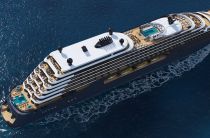
Ritz-Carlton Cruises opens bookings for Ilma ship's inaugural 2024 Mediterranean season
The Ritz-Carlton Yacht Collection announced that the inaugural 2024 Mediterranean season for Ilma (fleet's second newbuild superyacht) is now open...
March 13, 2023 - Cruise Industry
SeaDream Cruises launches 2025 Caribbean, Mediterranean, Scandinavia/Northern Europe itineraries
SeaDream Yacht Club announced the opening of 2025 Caribbean, Mediterranean, Scandinavia & Northern Europe cruises on its newly renovated, 56...
January 23, 2023 - show more news