

Drake Passage (Antarctica)
Cruise Port schedule, live map, terminals, news
Region
Arctic - Antarctica
Local Time
2026-10-17 01:37
 35°F
35°F 1.7°C

 Gentle breeze
4.2 m/s
 36 °F / 3 °C
 35 °F / 2 °C
Port Drake Passage cruise ship schedule shows timetable calendars of all arrival and departure dates by month. The port's schedule lists all ships (in links) with cruises going to or leaving from Drake Passage, Antarctica. To see the full itineraries (ports of call dates and arrival / departure times) and their lowest rates – just follow the corresponding ship-link.
| Day | Ship | Arrival | Departure |
|---|---|---|---|
| 21 October, 2026 Wednesday |  Silver Wind Silver Wind | 12:00 | 22 Oct, 12:00 |
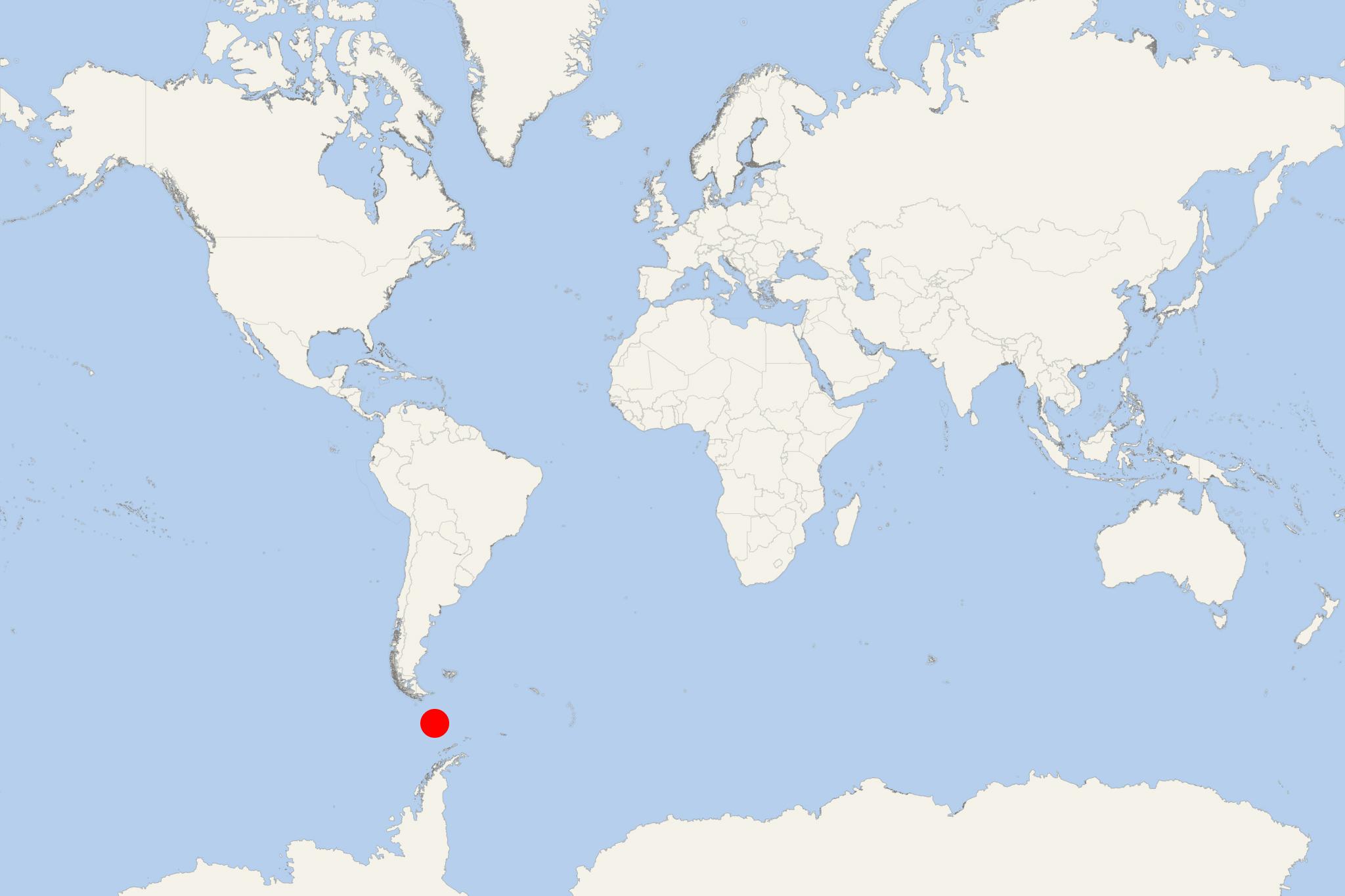
Drake Passage (aka Sea of Hoces) is the body of water located between Cape Horn (mainland South America) and Livingston Island (part of South Shetland Islands, Antarctica). This sea way connects the Atlantic Ocean (via Scotia Sea) with the Pacific Ocean.
Drake Passage has length of over 500 ml (800 km). Along with the Magellan Strait and the Beagle Channel, these are the only navigable sea ways (passages) around South America. However, most large-sized commercial (cargo shipping) vessels operate on itineraries via Drake Passage or Strait of Magellan. Due to Beagle Channel's strong winds, sailships with around South America itineraries use the Drake Passage.
The Antarctic Circumpolar Current carries a huge volume of water (about 600 times the Amazon River's flow) through the Drake Passage and around the continent of Antarctica.
Cruise ships passing the Drake Passage are among the best/most unique options to enjoy wildlife watching (whales, dolphins, penguins, seabirds).
The following map shows Drake Passage's location and major ports included in most cruise itineraries to the Antarctic Peninsula.
What to Expect
Drake Passage is an open-ocean crossing between southern South America and Antarctica, rather than a port where passengers go ashore. An itinerary entry here means time at sea: there is no cruise terminal, tender landing, town or independent shore excursion.
Independent sightseeing is not available. The experience takes place aboard your ship, with wildlife watching and, on expedition vessels, lectures and preparations for Antarctic visits. Crossings commonly occupy around two days each way, but timing and conditions vary.
Best Ways to Spend the Crossing
Watch for Seabirds and Whales
Look for albatrosses and other seabirds following the ship, and watch for whale blows. Keep binoculars nearby and listen for wildlife announcements. Sightings are unpredictable, so several short observation sessions are more useful than expecting a scheduled wildlife encounter.
Use permitted outside decks when conditions allow, or an indoor observation lounge in rough weather. Plan 20–40 minutes at a time outdoors, adjusting to the wind, cold and ship movement.
Join the Onboard Talks
Expedition ships commonly offer presentations about Antarctic wildlife, ice, exploration and photography. These help passengers understand what they may see later in the voyage. Check your ship’s daily programme; the subjects and facilities vary between vessels.
Prepare for Antarctic Landings
On voyages offering landings, attend the required safety and visitor briefings and follow the expedition team’s equipment-cleaning instructions. Boots, outer clothing and bags must be checked for mud, seeds and other debris before going ashore. Keep these sessions a priority when planning your day.
Photograph the Crossing
Seabirds, changing skies and ocean swells provide subjects even when land is out of sight. Take photographs from approved viewing areas, protect equipment from spray and keep straps secure. An indoor lounge is a practical alternative when outside decks are closed.
Crossing Days and Antarctic Excursions
Do not expect walking tours, beach visits or routine Zodiac trips in the open Drake Passage. Antarctic landings and small-boat outings are separate activities arranged by the expedition team after the ship reaches suitable locations.
Check whether your voyage includes Antarctic landings or sightseeing from the ship only. A Drake Passage itinerary entry does not itself indicate that passengers will go ashore. Routes and subsequent activities may change with weather, sea and ice conditions.
Practical Tips
- Keep plans flexible: the crossing can be calm or rough, and conditions may change during the day.
- Follow deck restrictions: use handrails, wear footwear with good grip and respect any closures. Ship movement can make even short walks difficult.
- Dress for exposed viewing areas: wear warm layers and a windproof outer layer, with gloves and a secure hat.
- Allow time to rest: leave gaps between talks and wildlife watching, especially if the ship is moving heavily.
- Follow the daily programme: weather can alter briefings and activities. There is no shore-return deadline during the crossing, but required expedition sessions still matter.
Drake Passage hotels
- Cruise Industry
Antarctica21’s ship Magellan Discoverer nears completion ahead of Antarctic debut
The Chilean polar cruise company Antarctica21 announced that its 96-passenger newbuild vessel, Magellan Discoverer, is nearing completion. The ship...
October 1, 2026 - Cruise Industry
Silversea schedules 2028–2029 Voyage Collection itineraries (278 sailings)
Silversea has introduced its 2028–2029 Voyage Collection under the theme "Let the World Surprise You," featuring 278 voyages departing between...
July 7, 2026 - Cruise Industry
Silversea Cruises concludes Antarctic expedition season
Silversea has brought its 2025–2026 Antarctic expedition season to a close after operating a series of voyages to the southern continent...
April 3, 2026 - Cruise Industry
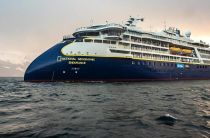
Lindblad Expedition marks 60 years of polar cruises
January 23rd, 2026, marked the 60th anniversary of a pivotal event in the history of expedition travel. On this date in 1966, Lars-Eric Lindblad led...
January 30, 2026 - Cruise Industry
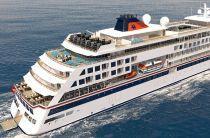
Hapag-Lloyd Cruises expands Antarctic iItineraries with focus on the Weddell Sea
Hapag-Lloyd Cruises has released details of its 2025-2026 Antarctic expedition program, highlighting several new itineraries that further emphasize...
April 27, 2025 - Cruise Industry
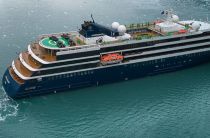
AOV-Atlas Ocean Voyages unveils 2026-2027 Antarctic cruises with 6 itineraries
Atlas Ocean Voyages has announced the opening of bookings for its "Polar Expeditions by Atlas" to Antarctica, scheduled from November 2026 through...
March 25, 2025 - Cruise Industry
Silversea begins 2024-2025 Antarctic cruises with expanded itineraries
Silversea started Antarctica 2024-2025 winter season with Silver Endeavour ship embarking on an 18-day expedition to South Georgia, the South...
November 15, 2024 - Cruise Industry
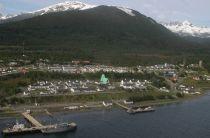
Silversea to open exclusive hotel in Puerto Williams for Antarctic travelers
Silversea Cruises has announced the development of a 150-room hotel in Puerto Williams (Chile) the world’s southernmost city, to enhance the...
October 4, 2024 - Cruise Industry
RSSC-Regent announces 173 new itineraries (2026-2027 Voyage Collection)
RSSC-Regent Seven Seas Cruises has unveiled its 2026-2027 Voyage Collection, featuring 173 new itineraries across the globe. Guests can pre-register...
July 20, 2024 - Cruise Industry
First Halal-certified Antarctic expedition set to launch in 2026
In an industry-first for Antarctic expeditions, Muslim travelers can now experience a halal-certified cruise to Antarctica. Set to launch in January...
July 8, 2024 - show more news