

Cape Town (South Africa)
Cruise Port schedule, live map, terminals, news
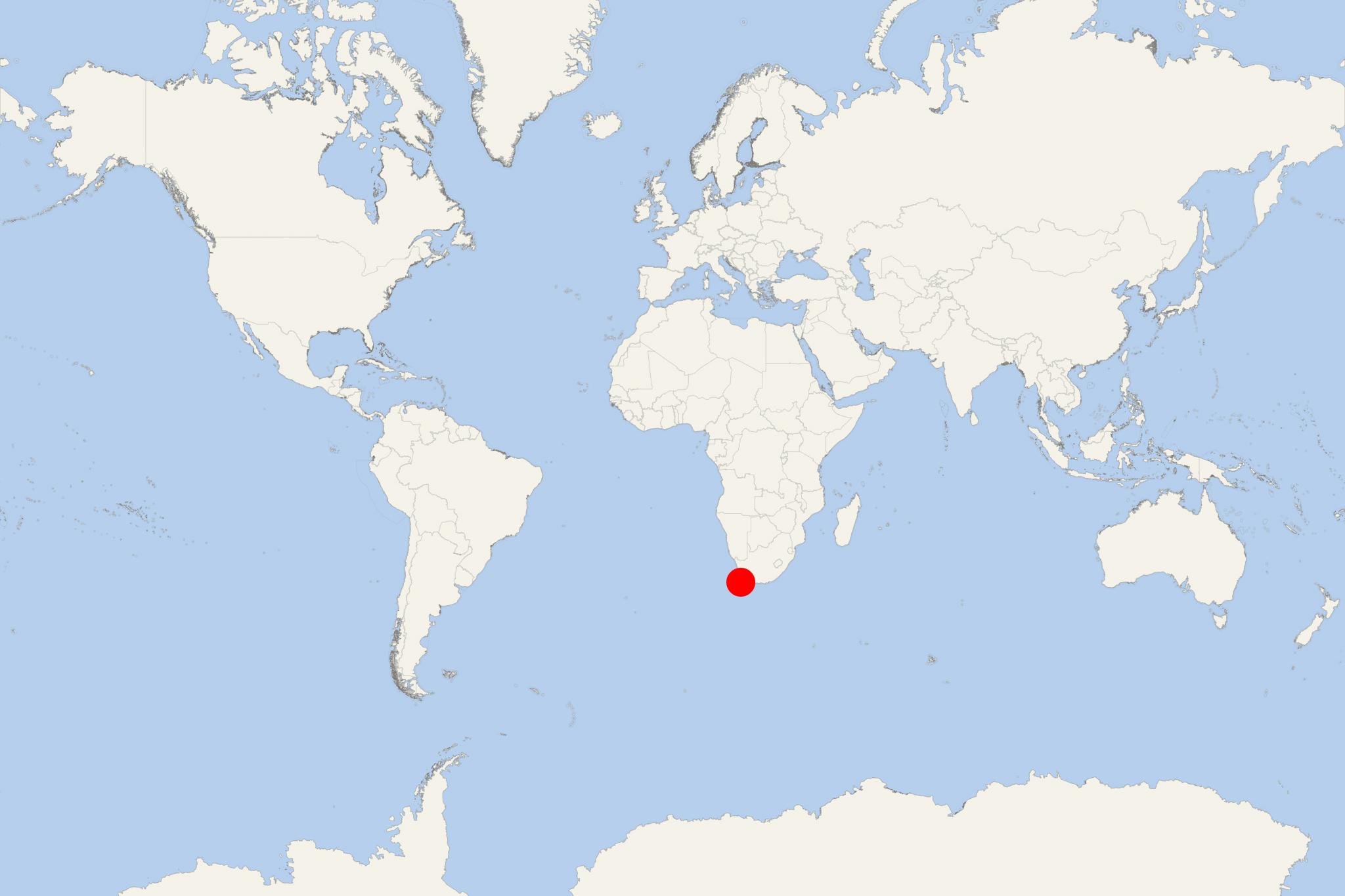
Region
Africa - Indian Ocean Islands
Local Time
2026-09-28 22:11
 58°F
58°F 14.5°C
 Gentle breeze
3.5 m/s
 71 °F / 22 °C
 52 °F / 12 °C
Port Cape Town cruise ship schedule shows timetable calendars of all arrival and departure dates by month. The port's schedule lists all ships (in links) with cruises going to or leaving from Cape Town, South Africa. To see the full itineraries (ports of call dates and arrival / departure times) and their lowest rates – just follow the corresponding ship-link.
| Day | Ship | Arrival | Departure |
|---|---|---|---|
| 4 September, 2026 Friday |  Zambezi Queen Zambezi Queen | ||
| 5 September, 2026 Saturday | Zambezi Queen | ||
| 6 September, 2026 Sunday | Zambezi Queen | ||
| 7 September, 2026 Monday | Zambezi Queen | ||
| 8 September, 2026 Tuesday | Zambezi Queen | ||
| 9 September, 2026 Wednesday | Zambezi Queen | ||
| 10 September, 2026 Thursday | Zambezi Queen | ||
| 11 September, 2026 Friday | Zambezi Queen | ||
| 12 September, 2026 Saturday | Zambezi Queen | ||
| 13 September, 2026 Sunday | Zambezi Queen | ||
| 14 September, 2026 Monday | Zambezi Queen | ||
| 18 September, 2026 Friday | Zambezi Queen | ||
| 19 September, 2026 Saturday | Zambezi Queen | ||
| 20 September, 2026 Sunday | Zambezi Queen | ||
| 21 September, 2026 Monday | Zambezi Queen | ||
| 22 September, 2026 Tuesday | Zambezi Queen | ||
| 23 September, 2026 Wednesday | Zambezi Queen | ||
| 24 September, 2026 Thursday | Zambezi Queen | ||
| 25 September, 2026 Friday | Zambezi Queen | ||
| 26 September, 2026 Saturday | Zambezi Queen | ||
| 27 September, 2026 Sunday | Zambezi Queen | ||
| 28 September, 2026 Monday | Zambezi Queen |
Cape Town (port locode ZACPT) is a port city in South Africa, which has one of the world’s most beautiful harbours. It is located at Table Bay, has total area approx 400 km2 (155 mi2) and population around 435,000 (metro over 1,74 million). The list of major cruise lines with seasonal homeporting in Cape Town includes MSC, NCL-Norwegian, Azamara, Crystal, Silversea, Hapag-Lloyd.
Cape Town is South Africa's oldest city, legislative capital, country's 2nd-most populous metro area (following Johannesburg / 9,6+ million), and is best known for its scenic harbor and the landmarks Cape Point and Table Mountain. Cape Town is Africa's 10th largest city and one of the world's most multicultural cities. In 2014, it was named "World Design Capital" by Icsid (International Council of Societies of Industrial Design).
The city was first developed by VOC (United East India Company, aka Dutch East India Company / 1602-1799) as a supply station for Dutch trade vessels to India, East Africa, and the Far East. On April 6, 1652, here was established South Africa's first permanent European settlement as an outpost (at Castle of Good Hope), which soon became Cape Colony's economic hub. Until the Witwatersrand Gold Rush (1886) which resulted in Johannesburg's development, Cape Town was the country's largest town.
Port's cruise ship schedule has vessels booked the whole year-round. The cruise port is also a homeport (serving turnarounds/roundtrips) but mainly an attractive embarkation and disembarkation port of call for seasonal relocation and Around the World voyages. Port Cape Town statistics show steady growth in cruise shipping volumes. In 2012, it handled 6050 passengers, in 2013 - 14754, in 2016 - 29269.
During season 2024-2025, the cruise port recorded 83 ship calls, 11 maiden ship visits, and an estimated ZAR 1,32 billion (rands) contribution to the regional economy.
The local economy's main revenues from the cruise shipping industry are crew and passenger ashore spending, cruise company-sponsored land tours/excursions (staffing) and spending (on vessel supplies and services), as well as in-port spending (ship repairs and maintenance). It was estimated that on relocation cruise itineraries stopping in South African ports, tourists spend an average of USD 100 pp on land-based activities, services and goods.
Cape Town City's water crisis began in 2015, resulting in severe water shortage in the Western Cape, but most notably affecting the city.
- In response to the shortage, the region's agriculture reduced water consumption by 50%. This nationally contributed to job loss of 37,000 in the sector. Around 50,000 people were pushed below the poverty line due to job losses and food-price inflation.
- Despite all water-saving measures, dam levels declined to critically low levels. The city planned its "Day Zero" on April 12, 2018, when most water supply will be shut off.
- When "Day Zero" is declared (the dam's water level reaches 13,5%), municipal water supplies will be switched off. The city's residents will rely on a total of 149 points to collect a daily water ration per person (25 liters pp). If this happens, Cape Town will become the world's first-ever large city running out of water.
The decreased water usage and strong rains in June 2018 steadily increased dam levels (up to 70% in September 2018) and the city eased water restrictions. In May 2019, Cape Town's total dam storage was 45,9% or combined 411849 megalitres (out of max capacity 898221).
Port Cape Town's cargo and cruise shipping operations are managed by TNPA (Transnet National Ports Authority). This is Africa's largest port authority company that manages 7 large seaports in South Africa - Cape Town, Durban, Richards Bay, East London, Mossel Bay, Port Elizabeth, and Saldanha.
Cape Town cruise terminal
Cape Town cruise port is located ~ 220 km (140 mi) away from Cape Agulhas, direction northwest. Due to its strategic place on the route between the Dutch East Indies and Europe, the port was among the most important in the mid-17th century.
Currently, Cape Town is one of the most interesting cruise ports of call in the world. The basins Victoria and Alfred are visited by smaller cruise ships. These used to be the port's main wharves located in the original harbour of Cape Town. Alfred Basin was the harbour's first section added, followed by the building of the Victoria Basin. Larger cruise ships berth at Duncan Dock. It has several multi-purpose terminals, also repair quay and a dry dock facility.
The driving distance from the cruise port to downtown is ~10 minutes. Africa's second-largest airport, Cape Town International Airport, is located 22 km (14 mi) away from the city center. Other transportation options from and to the cruise port are bus shuttles, metered taxis, car rental services.
(NEW) Cape Town Cruise Terminal (Waterfront)
In July 2015 was announced an agreement for building a new cruise ship terminal at Port Cape Town, built by TNPA (Transnet National Ports Authority) as the preferred bidder. The project's cost was around USD 14,5 million. The agreement included terminal facility maintenance, operation and transfer of ownership back to TNPA in 20 years after completion.
The plan for a new Waterfront passenger terminal was announced in 2012. The initial issue started when local cruise tourism started to decline after South Africa's Department of Home Affairs banned from docking at Waterfront vessels with LOA length over 200 m / 656 ft.
The Victoria and Alfred / ) V&A Waterfront investment will result in a new cruise ship terminal facility able to accommodate larger vessels. The new terminal facility will also create local jobs, will increase ship calls and strengthen the country's cruise industry as a whole. Until then, cruise ships are required to dock at Port Cape Town as first port of call based on a Directive from the Minister of Home Affairs (Immigration Act 13 of 2011).
South Africa's cruising season is October through April.
Cape Town is one of the most rewarding African cruise ports. Ships normally dock at the Cape Town Cruise Terminal at E-Berth in Duncan Dock, beside the V&A Waterfront. The waterfront is easy to explore on foot, while Table Mountain, the city centre and the Cape Peninsula require transport.
Independent sightseeing: Easy around the V&A Waterfront; practical with planned transport for central Cape Town and Table Mountain; an organized excursion is preferable for Cape Point and the wider peninsula.
Getting from the Cruise Port
- Dock or tender: Cape Town is normally a docking port. Passengers pass through the cruise terminal before entering the waterfront district.
- V&A Waterfront: Makers Landing is at the terminal, while the Silo District and main waterfront attractions are approximately 1–2 km (0.6–1.2 mi) away. Allow about 15–30 minutes on foot, depending on the destination.
- City centre: The central business district is close but is not the most convenient walk from the terminal. A metered taxi, ride-hailing service, MyCiTi bus or sightseeing bus is more practical.
- Table Mountain: Use a taxi, ride-hailing service, sightseeing bus or arranged tour. Driving time to the Lower Cableway Station is commonly around 20–30 minutes but can increase substantially in traffic.
- Cape Peninsula: Cape Point, Simon’s Town and Boulders require a full-day road excursion. They are not practical by ordinary public transport during a cruise call.
Best Ways to Spend Your Time
V&A Waterfront and Silo District
Allow 3–5 hours. Easy independently. This is the simplest option for a short call or uncertain weather. Walk from the terminal to the Silo District, Zeitz MOCAA, the historic harbour, Watershed craft market, Two Oceans Aquarium and the main waterfront basins. Harbour cruises and the Robben Island ferry also depart within the precinct.
Table Mountain and the City
Allow 4–6 hours. Independent with planning. Take prearranged transport to the Lower Cableway Station, visit the summit and then continue to Bo-Kaap, Company’s Garden or the city centre. The cableway can close because of strong wind or poor weather, and queues can be lengthy. Check its operating status before leaving the ship and keep a city-level alternative ready.
Hiking up Table Mountain is not advisable during an ordinary cruise visit unless passengers are experienced, properly equipped and have ample time. Routes are steep, weather changes quickly and the descent may be delayed if the cableway closes.
Robben Island
Allow at least 4–5 hours. Advance booking strongly recommended. Ferries leave from Nelson Mandela Gateway at the V&A Waterfront. The standard experience takes about 3.5–4 hours including both ferry journeys and the island tour. Sailings are weather-dependent, so avoid a departure that leaves little margin before the ship’s all-aboard time.
Cape Point and Boulders Penguin Colony
Allow 7–9 hours. Organized excursion recommended. A typical peninsula route combines scenic coastal roads, Cape Point or the Cape of Good Hope, Simon’s Town and the African penguin colony at Boulders. Cape Point is roughly 65 km (40.4 mi) from the cruise terminal and may take 1.5–2 hours each way before sightseeing stops.
This option suits a long port call. Traffic, attraction queues and road conditions make a ship excursion or reputable private tour safer than assembling the journey independently. Do not attempt to combine a full peninsula tour with Robben Island.
Kirstenbosch Botanical Garden
Allow 3.5–5 hours. Independent with transport. Kirstenbosch is a practical alternative when Table Mountain’s cableway is closed. Explore the gardens and elevated canopy walkway, with views toward the eastern slopes of the mountain. Use a taxi, ride-hailing service or tour and arrange the return journey in advance.
Self-Guided Waterfront Walk
Easy Harbour and Silo Route
Distance: Approximately 3.5 km (2.2 mi) round trip
Pure walking time: About 50–60 minutes
Recommended time: 2.5–4 hours with stops
Difficulty: Easy; mostly level paved paths
- Leave the cruise terminal beside Makers Landing.
- Walk through the Canal District toward Battery Park.
- Continue to the Silo District and Zeitz MOCAA.
- Follow the harbour edge toward the Nelson Mandela Gateway.
- Cross the pedestrian swing bridge when open and continue to the Clock Tower precinct.
- Explore the main waterfront around the Alfred and Victoria basins.
- Visit the Watershed craft market or continue to the Two Oceans Aquarium.
- Return to the terminal through the Silo and Canal districts.
The swing bridge opens for harbour traffic; use the nearby alternative pedestrian route if directed. This walk remains close to the ship and can be shortened at several points.
Exploring the Historic Centre
Bo-Kaap, Greenmarket Square, St George’s Cathedral and Company’s Garden form a useful compact sightseeing group, but starting directly from the cruise terminal creates a longer and less straightforward walk. Take a taxi, ride-hailing service or sightseeing bus to Bo-Kaap or Company’s Garden and explore the central sights from there.
A city walk normally requires 2–3 hours, excluding museum visits. Remain on busy streets, avoid displaying valuables and use transport rather than walking back through quiet commercial areas. A guided walk is a sensible choice for passengers unfamiliar with the city.
Practical Tips
- Keep the first part of the day flexible if Table Mountain is important; clear conditions can change quickly.
- Book Robben Island and major attractions in advance, but verify cancellation and weather policies.
- Camps Bay and Clifton are attractive coastal stops, but Atlantic water is cold and beach conditions can be windy. They work better as part of a scenic drive than as the only activity.
- MyCiTi buses serve the waterfront, city and parts of the Atlantic seaboard, but passengers should confirm the current route, payment method and timetable before relying on them.
- Allow extra time for weekday traffic, terminal procedures and possible queues at the port entrance.
- For an independent trip outside the waterfront, aim to be back near the terminal at least 60–90 minutes before the ship’s required all-aboard time. Allow more for Cape Point or any weather-dependent boat journey.
Cape Town hotels
- Cruise Industry
Pacific World ship opens Cape Town’s 2026-2027 cruise season
Pacific World has opened Cape Town’s 2026-2027 cruise season, arriving at the Cape Town Cruise Terminal on September 17th with 1,397 passengers...
September 26, 2026 - Cruise Industry
Terra Nova Expeditions replaces RMS St. Helena for inaugural Antarctic season
The Australia-based, 2024-founded travel company Terra Nova Expeditions has changed plans for its inaugural Antarctic season after concluding that...
September 8, 2026 - Cruise Industry
Seabourn schedules 54-cruise Ruby Collection to mark 40th anniversary in 2028
Seabourn has launched sales for its Ruby Collection, a programme of 54 ocean and expedition voyages scheduled throughout 2028 to celebrate the luxury...
July 25, 2026 - Cruise Industry
Viking reveals 2028–2029 World Cruise itinerary (ship Viking Vesta)
Viking OCEAN has announced its 2028–2029 World Cruise offerings, placing destination access and extended geographic coverage at the centre of a...
May 31, 2026 - Cruise Industry
Silversea's ship Silver Dawn concluded World Cruise 2026
Silversea has completed its World Cruise 2026, titled The Curious and the Sea, marking the conclusion of a 140-day circumnavigation aboard Silver...
May 30, 2026 - Cruise Industry
HAL-Holland America Line opens bookings for 2028 Grand Voyages
HAL-Holland America Line has opened reservations for its 2028 Grand Voyages/world cruise program, unveiling extended itineraries aboard the vessels...
May 25, 2026 - Cruise Industry
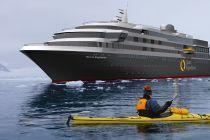
AOV-Atlas Ocean Voyages schedules inaugural Asia and Africa season (ship Atlas Adventurer)
AOV-Atlas Ocean Voyages has announced the inaugural deployment of Atlas Adventurer (2024-built as World Adventurer), marking the brand's first...
May 13, 2026 - Accidents
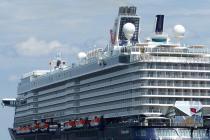
TUI's Mein Schiff ships resume cruises after Arabian Gulf disruption
After several weeks of enforced idleness in the Persian Gulf, the vessels Mein Schiff 5 and Mein Schiff 4, operated by TUI Cruises, are approaching a...
April 28, 2026 - Cruise Industry
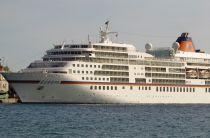
Hapag-Lloyd Cruises' ship EUROPA to host renewed Classical Music and Meditation programme in 2027
Hapag-Lloyd Cruises is set to reintroduce its Classical Music meets Meditation programme following its initial deployment, responding to sustained...
April 22, 2026 - Cruise Industry
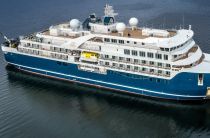
Swan Hellenic extends West African cruises with Grand Voyages
Swan Hellenic has outlined an expanded programme of expedition sailings along the western coast of Africa, introducing two extended voyages for 2026...
April 19, 2026 - show more news