

Catania (Sicily Italy)
Cruise Port schedule, live map, terminals, news
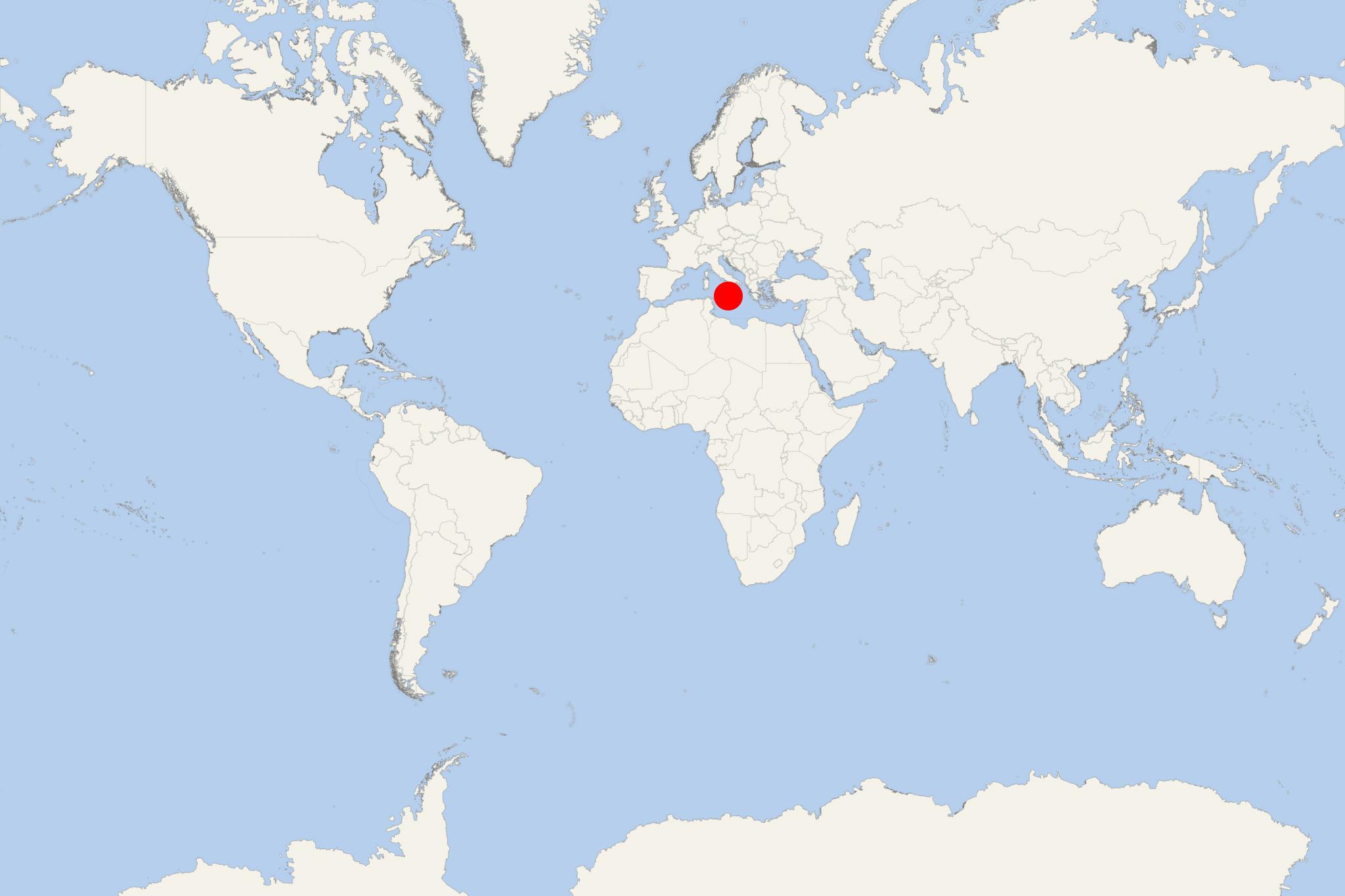
Region
Mediterranean - Black Sea
Local Time
2026-09-28 00:48
 70°F
70°F 21.3°C

 Very Light
1.3 m/s
 79 °F / 27 °C
 63 °F / 18 °C
Port Catania cruise ship schedule shows timetable calendars of all arrival and departure dates by month. The port's schedule lists all ships (in links) with cruises going to or leaving from Catania, Sicily Italy. To see the full itineraries (ports of call dates and arrival / departure times) and their lowest rates – just follow the corresponding ship-link.
| Day | Ship | Arrival | Departure |
|---|---|---|---|
| 1 September, 2026 Tuesday |  Norwegian Epic Norwegian Epic | 08:00 | 19:00 |
| 4 September, 2026 Friday |  World Traveller World Traveller | 08:00 | 15:00 |
| 4 September, 2026 Friday |  Scarlet Lady Scarlet Lady | 10:00 | 19:00 |
| 5 September, 2026 Saturday |  Costa Fascinosa Costa Fascinosa | 07:00 | 17:00 |
| 8 September, 2026 Tuesday | Norwegian Gem | 07:00 | 16:00 |
| 8 September, 2026 Tuesday |  AIDAblu AIDAblu | 08:00 | 20:00 |
| 12 September, 2026 Saturday | Costa Fascinosa | 07:00 | 17:00 |
| 14 September, 2026 Monday | Norwegian Viva | 07:00 | 17:00 |
| 15 September, 2026 Tuesday | Norwegian Epic | 08:00 | 19:00 |
| 19 September, 2026 Saturday |  Azamara Quest Azamara Quest | 09:00 | 18:00 |
| 19 September, 2026 Saturday | Norwegian Viva | 11:00 | 21:00 |
| 21 September, 2026 Monday |  Oceania Sirena Oceania Sirena | 07:00 | 17:00 |
| 22 September, 2026 Tuesday | Norwegian Gem | 07:00 | 16:00 |
| 29 September, 2026 Tuesday | Norwegian Epic | 08:00 | 19:00 |
Catania is the cruise port to Etna. This port city is located along Sicily Island's northeast coast (on the Gulf of Catania) and has population over 310,000. The Port's services include handling commercial (including Ro-Ro and cargo) ships, fishing vessels, ferries, yachts and cruise ships. It also has a small shipbuilding yard.
The town was destroyed several times by Mt Etna's eruptions and an earthquake in 1693. Today, the rebuilt city is popular for its lush nature parks, spacious piazzas, wide boulevards. Best-known tourist attractions include Duomo di Catania (11th-century cathedral), Castello Ursino (13th-century castle), Chiesa di San Nicolò l'Arena (17th-century catholic building), The Greek Amphitheatre, Val di Noto (historical area, one of Sicily's three valli - Val di Noto, Val Demone, Val di Mazara - administrative regions during the Muslim Emirate of Sicily/831-1091 AD). The active volcano Mount Etna is just a short drive up the coast.
Port Catania
Catania Port (locode ITCTA) covers over 1 km2 (0,4 mi2), which includes land and water areas. The land area is approx 0,47 km2 and includes as infrastructure storage facilities (0,28 km2) and 26 berths (total lenght 4,2 km / 2,5 mi).
The Port serves 6 Italian provinces and has close proximity to highway junctions, railway station and Catania–Fontanarossa Airport - the island's first airfield (1924-opened) serving both international and domestic flights.
The airport is close to the city (4,3 km / 2,5 km southwest), to motorway A19 (linking to Palermo) and to E45 road (linking to Syracusa). The Airport's shuttle buses link downtown Catania with the Central Train Station. Regularly scheduled buses to other parts of Sicily also depart directly from the airport.
In 2014, the port was visited by a total of 232,954 cruise passengers. Their number in 2013 was 390,457. In 2016, the seaport was included in the schedules of Costa Cruises and Royal Caribbean, following the inauguration (July 2015) of the man-made multipurpose turning basin.
- The Wet Basin's completion resulted in increased shipping traffic (mainly RO-PAX ferries and container ships).
- The approved in 2014 port development project also included improving port's security and efficiency (consolidation of docks, max anti-seismic standards, strengthening breakwater's rocks), road connections development (improving cargo and passenger transportation between seaport-airport), also improving the port-city integration as routes and interconnections.
In the end of 2016, the Port's Catania Cruise Terminal was leased under concession to Global Ports Holding/GPH, which now manages the Port's cruise shipping services and facilities.
Catania cruise terminal
For now, Port Catania has no dedicated cruise terminal building but a dedicated cruise ship berth - "Catania Cruise Port" (Pier 25).
Ferries and cruise liners dock in an industrial area.
Cruise Pier 25 is located approx 15-min walking distance from downtown.
For the near future is planned the construction of a cruise terminal at Sporgente Centrale Pier.
In July 2025, GPH (Catania Cruise Port's manager) completed Pier 25's modernization works, resulting in expanded cruise capacity. By this project, were refurbished (dredged and structurally enhanced) the breakwater and the quay, and a new (405‑m/1329-ft) deepwater berth was brought into service. The new berth has a min depth of 9 m (30 ft) and can accommodate the world’s largest cruise ships. A 7000‑m2 land area (adjacent to the quay) was allocated for buses and logistics operations.
The new (third) berth joined the central pier (the longest and scheduled for a future cruise terminal) and the quay (near the breakwater), which is set for further upgrades in 2026-Q1.
Ferry Port's main services connect Catania to mainland Italy (Salerno) and Malta (Valletta). These services are provided with regularly scheduled crossings on GRIMALDI LINES and Virtu Ferries ships.
- Grimaldi Lines link to Salerno (6 crossings weekly, travel time 13 hours) and Valletta (1 crossing weekly, travel time 7 hours 15 min).
- Virtu Ferries link to Malta only (7 crossings weekly, travel time 4 hours 15 min).
Catania is one of Sicily’s easier ports to explore independently. Cruise ships normally dock inside the commercial harbor, close to the historic center. Piazza del Duomo is approximately 1.2 km (0.7 mi) from the usual cruise area, making the city practical on foot. Mount Etna and Taormina require road transport and careful time planning.
At a Glance
- Independent sightseeing: Easy for central Catania; transport and advance planning are needed for trips outside the city.
- Main sights: Piazza del Duomo, Catania Cathedral, the Fish Market, Via Etnea, Via Crociferi, the Roman Amphitheater and Castello Ursino.
- Walking conditions: Mostly level near the port and Piazza del Duomo, followed by gradual uphill sections, uneven lava-stone paving and occasional steps.
- Best excursion choices: Mount Etna, Taormina or a combined tour during a sufficiently long call.
Getting from the Cruise Port
Cruise vessels generally berth at the Catania Cruise Terminal inside the harbor. The exact walking distance varies by berth, and passengers must follow the marked route to the authorized port exit.
From the port exit, the historic center is usually a 15–25-minute walk. Piazza del Duomo is approximately 1.2 km (0.7 mi) from the principal cruise berths. The route is largely flat but crosses busy streets near the harbor.
Taxis are normally the simplest option for travelers with limited mobility and for destinations outside central Catania. Piazza Paolo Borsellino, beside the historic center, is an important city-bus hub, but local buses are generally unnecessary for the principal central sights. Any shuttle arrangements should be confirmed aboard because they can vary by ship and berth.
Best Ways to Spend Your Time
Explore Catania’s Historic Center
Recommended time: 3–5 hours. Practical independently: Yes.
Begin at Piazza del Duomo, where the Elephant Fountain, Cathedral of Sant’Agata and surrounding Baroque buildings form the center of the old city. Continue through the nearby Pescheria market area, then follow Via Etnea toward Piazza Università and Piazza Stesicoro. A detour along Via Crociferi adds one of Catania’s most distinctive Baroque streets.
This is the safest choice for a shorter call because almost everything can be reached on foot and the itinerary can be shortened at any point.
Visit Castello Ursino and the Benedictine Monastery
Recommended time: 4–6 hours when combined with the center. Practical independently: Yes, with moderate walking.
Castello Ursino houses Catania’s civic museum and can be viewed from outside if time is limited. From there, streets rise toward the Monastery of San Nicolò l’Arena, a vast former Benedictine complex now used by the university. Access to its most interesting historic areas is generally through a guided visit, so check the current schedule before committing time.
Mount Etna
Recommended time: At least 4–6 hours. Practical independently: Possible by prearranged vehicle; an organized excursion is usually more convenient.
The commonly visited southern approach around Rifugio Sapienza is roughly 35 km (21.7 mi) from Catania and normally takes about one hour each way, depending on traffic and road conditions. Excursions may include old lava fields, viewpoints and accessible crater areas. Higher-altitude activities require additional transport, suitable clothing and more time.
Weather can change rapidly, and cloud, wind or volcanic conditions may affect access. Avoid relying on an improvised combination of local buses for a cruise-day visit.
Taormina
Recommended time: 5–7 hours. Practical independently: Possible with advance planning; organized transport reduces timing risk.
Taormina lies approximately 55 km (34.2 mi) north of Catania. Road travel commonly takes about one hour each way but can be longer in traffic. Its principal sights include Corso Umberto, Piazza IX Aprile and the ancient theater. The town is hilly, and vehicles normally leave visitors below or near the pedestrian center.
A train trip is possible in principle, but transfers between the cruise port, railway stations and Taormina’s elevated center consume valuable time. A direct transfer or shore excursion is more practical during a port call.
Combine Mount Etna and Taormina
Recommended time: 7–9 hours. Organized excursion recommended.
This combination is realistic only during a long call with coordinated transport. Expect limited time at each destination and little tolerance for traffic or weather delays. For a shorter stay, choose either Etna or Taormina rather than attempting both.
Self-Guided Historic Catania Walk
Distance: Approximately 4.5 km (2.8 mi) from the port exit and back. Pure walking time: About 1 hour 15 minutes. Recommended total time: 3–4 hours. Difficulty: Moderate, with gradual uphill streets and uneven paving.
- Port exit to Piazza del Duomo: Follow the authorized pedestrian route from the harbor toward the city center.
- Piazza del Duomo: See the Elephant Fountain, Palazzo degli Elefanti and the exterior or interior of Catania Cathedral.
- Pescheria: Walk behind the cathedral into the traditional market lanes. The market is liveliest in the morning and may be quiet or closed later in the day.
- Castello Ursino: Continue approximately 700 m (0.4 mi) to the medieval castle. Allow extra time only if entering the museum.
- Via Crociferi: Walk uphill through the old city to this compact Baroque street lined with churches and former monasteries.
- Piazza Stesicoro: Continue to the visible remains of the Roman Amphitheater.
- Via Etnea: Follow the central shopping street downhill through Piazza Università to Piazza del Duomo.
- Return to the ship: Retrace the harbor approach, allowing additional time for the walk from the port gate to the berth.
Travelers wanting a shorter and mostly level route can omit Castello Ursino, Via Crociferi and Piazza Stesicoro. A simple port–Duomo–Pescheria–Via Etnea circuit is approximately 2.5 km (1.6 mi) and takes around 2 hours with sightseeing stops.
Practical Tips
- Wear shoes suitable for polished and uneven lava-stone paving, which can become slippery when wet.
- Expect stronger sun and heat on exposed streets during summer; shade is intermittent.
- Churches may restrict tourist access during services, and museums or guided visits can have changing schedules.
- Keep valuables secure in crowded market streets and on public transport.
- For Etna or Taormina, arrange transport before leaving the port and agree on the return time and pickup point.
- Allow a generous return margin, especially after an out-of-town excursion. Traffic near Catania and delays at the port entrance can add time.
Catania hotels
- Cruise Industry
Catania Port reopens Pier 25 with a new/3rd cruise berth for mega‑ships
Catania Cruise Port (Sicily, Italy), under the management of Global Ports Holding/GPH, has reached a significant development milestone with the...
July 25, 2025 - Cruise Industry
Star Explorer to join Windstar fleet for Winter Mediterranean 2026-2027
Windstar Cruises has scheduled the debut of its newest yacht, Star Explorer/now World Explorer, for December 28, 2026, marking Windstar's fourth...
July 2, 2025 - Accidents
NCL's ship Norwegian Epic experiences mooring failure in Catania (Sicily)
On May 30, 2025, NCL-Norwegian Cruise Line's vessel Norwegian Epic encountered a mooring failure while docked in Catania (Sicily Italy). The...
June 1, 2025 - Cruise Industry
AIDAdiva to undergo major renovation as part of AIDA Evolution
AIDA Cruises has announced its most extensive fleet modernization program to date - AIDA Evolution. The initiative starts with AIDAdiva ship...
May 31, 2024 - Cruise Industry
Windstar announces winter Mediterranean cruises for 2025-2026 season
The premium travel brand Windstar is set to offer an impressive array of winter Mediterranean voyages for the 2025-2026 season, showcasing a diverse...
May 23, 2024 - Accidents
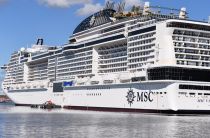
19yo female crew medevaced from MSC Virtuosa off Sardinia Island (Italy)
A medical evacuation was conducted by an Italian Coastguard helicopter for a female crew member of the ship MSC Virtuosa, navigating off Sardinia...
November 11, 2023 - Accidents
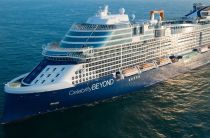
Celebrity Beyond changes course to rescue 200+ migrants stranded in the Mediterranean
The 2022-built Celebrity Beyond cruise ship halted a luxury Mediterranean voyage to aid in a rescue operation. The liner changed course (skipping...
August 30, 2023 - Cruise Industry
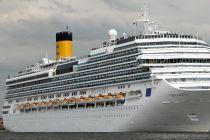
Costa Cruises starts inaugural homeporting in Taranto (Italy) with Costa Pacifica ship
Costa Cruises has begun its first season in Taranto, marking a new addition to the company's program in Italy. The inaugural call occurred on June...
June 11, 2023 - Cruise Industry
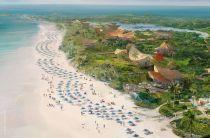
DCL-Disney unveils 2024 summer voyages visiting Lighthouse Point (Eleuthera Bahamas)
DCL-Disney Cruise Line announced the inaugural dates/select itineraries for its brand-new island destination in The Bahamas, headlining a season full...
March 24, 2023 - Cruise Industry
Costa Cruises celebrates 75th Anniversary with 75 voyages in the Mediterranean/Northern Europe
On March 31st, 2023, Costa Cruises celebrates its 75th anniversary. 75 years ago, on that day in 1948, the first passenger ship of the fleet &ldquo...
March 19, 2023 - show more news