

Da Nang (Hue City, Vietnam)
Cruise Port schedule, live map, terminals, news
 77°F
77°F 
 Light breeze
Port Da Nang cruise ship schedule shows timetable calendars of all arrival and departure dates by month. The port's schedule lists all ships (in links) with cruises going to or leaving from Da Nang, Hue City, Vietnam. To see the full itineraries (ports of call dates and arrival / departure times) and their lowest rates – just follow the corresponding ship-link.
| Day | Ship | Arrival | Departure |
|---|---|---|---|
| 30 September, 2026 Wednesday |  Emerald Harmony Emerald Harmony | ||
| 30 October, 2026 Friday |  RV Indochine II RV Indochine II | ||
| 3 October, 2026 Saturday | Emerald Harmony | ||
| 5 October, 2026 Monday | RV Indochine | ||
| 7 October, 2026 Wednesday |  Scenic Spirit Scenic Spirit | ||
| 9 October, 2026 Friday | RV Indochine | ||
| 10 October, 2026 Saturday | Scenic Spirit | ||
| 13 October, 2026 Tuesday |  Royal Princess Royal Princess | 07:00 | 17:00 |
| 14 October, 2026 Wednesday | RV Indochine II | ||
| 16 October, 2026 Friday |  Viking Venus Viking Venus | ||
| 21 October, 2026 Wednesday | RV Indochine | ||
| 25 October, 2026 Sunday | RV Indochine | ||
| 26 October, 2026 Monday | RV Indochine II | ||
| 26 October, 2026 Monday |  APT Mekong Serenity APT Mekong Serenity | ||
| 26 October, 2026 Monday |  Navigator Of The Seas Navigator Of The Seas | 07:00 | 19:00 |
| 28 October, 2026 Wednesday | Emerald Harmony | ||
| 31 October, 2026 Saturday | Emerald Harmony |
Da Nang (aka Danang) is Vietnam's third largest port and among the country's largest cities - following Ho Chi Minh City/Saigon and Hai Phong. The Port is the gateway to Hue City (Thuan Hoa) having a population of 0,65+ million.
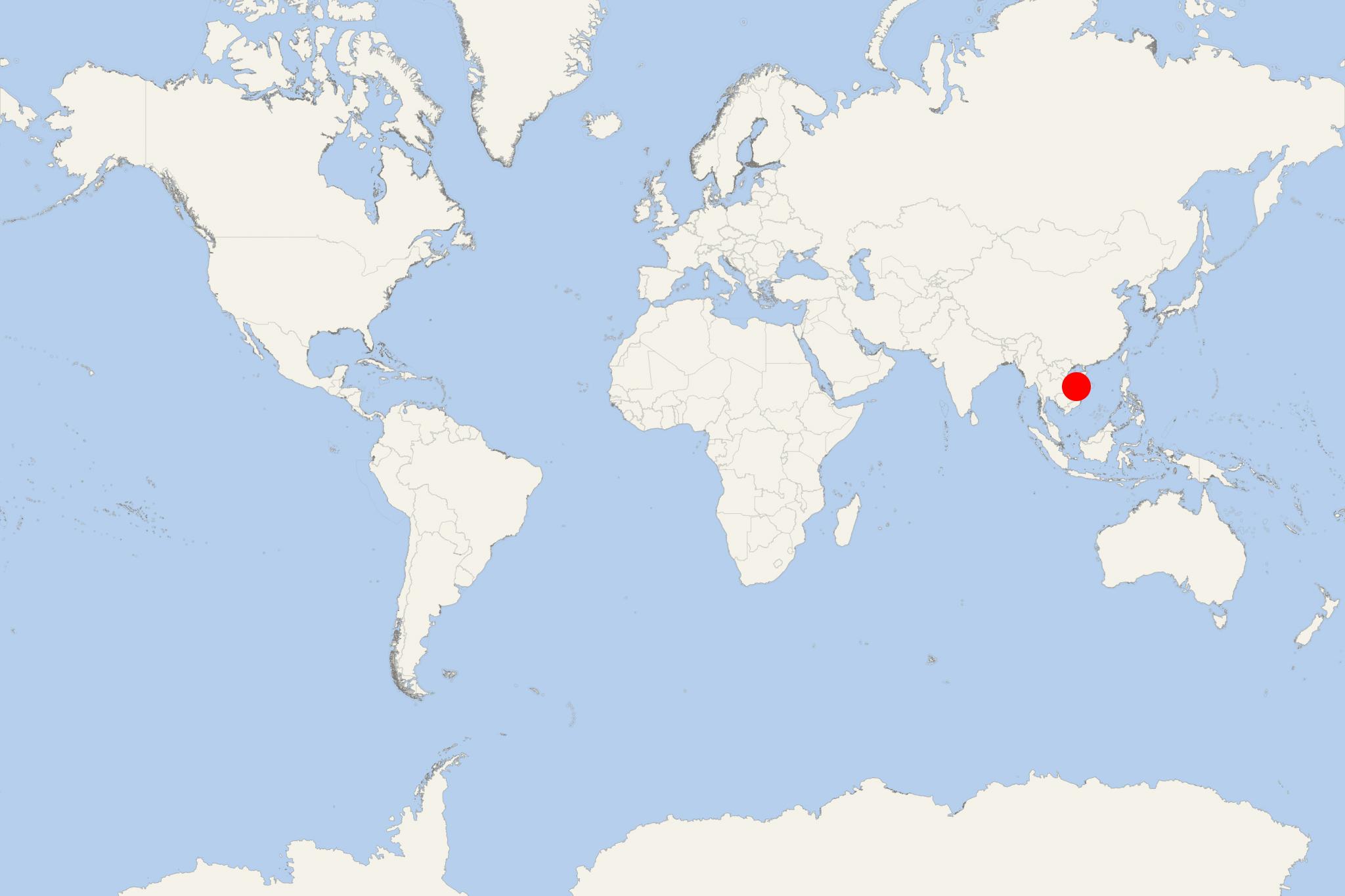
Danang Cruise Port is located on the coast of the South China Sea (Perfume River's estuary), approx 760 km (470 mi) south of Hanoi, and approx 960 km (600 mi) north of the capital Ho Chí Minh City.
Danang Port (locode VNDAD) is easily accessible and well-sheltered.
Hue was Vietnam's capital (under the Nguyen imperial dynasty) between 1802 and 1945. Previously (1738-1775), it served as the capital city of Dang Trong (aka Nam Ha) under the Nguyen clan.
Hue Imperial City is a UNESCO site (since 1993) and consists of a walled fortress and a royal palace (with outer and inner courts, gardens and temples).
Among the landmarks and popular Da Nang cruise shore excursion destinations are museums, ancient monuments, the Cham Towers, Pass of the Clouds (Vietnam's highest mountain passage), the Hue Imperial City (Champa Kingdom's capital), Hoi An (French colonial town with antique pagodas, merchants' homes, buildings), Five Marble Mountains (with 157 stone steps passing statues, caves, caverns, temples). The society is matrilineal, meaning that women choose their husbands.
Port Da Nang
Da Nang Port is a major seaport system in Central Vietnam (located at Han River's mouth, South China Sea), in Da Nang City. This is the Vietnam's 3rd largest seaport - after Saigon and Hai Phong. The seaport is a key hub connecting Vietnam with Laos, Thailand and Burma. Port Danang is operated as limited company owned by Vinalines (Vietnam National Shipping Lines).
Chan May Port is owned by Vinashin Group and operated by the Chan May-Lang's Management Board. Chan May Port has a new wharf (constructed in 2006) and is used mainly as cargo port serving the wood chip industry.
In 2016 started construction works on the new Tien Sa Port. On July 28, 2018, the port was partially operational (Phase 2 completed), increasing port's total annual cargo capacity to 12 million tons. Tien Sa Port construction cost VND 1+ trillion (USD 44+ million), of which 36% funded by Da Nang port. The project's 2nd stage included building 2 new piers with capacity to serve/berth large cargo vessels (with max DWT 70,000 tons), container ships (max capacity 4000 TEUs/containers) and cruise ships (max GT 150,000 tons).
Tien Sa Port is approx 10 km (6 mi) from downtown. In 2018-H1 (year's first half) it handled 4 million cargo tons, which was over 6% increase over 2017-H1. The Port's weekly traffic is an average of 23 vessels from 15 different shipping companies.
After completion, Tien Sa Port will have modern logistics, new warehouses, new transport infrastructure, a dedicated passenger terminal, as well as digital clearance services and offices of banks and shipping companies.
Da Nang cruise terminal
Most cruise ships in Da Nang dock at Tien Sa port. Bus travel from the port to Danang City is around 30 min. At the port's entrance (approx 500 m / 1650 ft from the cruise pier) there is a taxi rank.
Smaller cruise ships often dock at the city's Han River Port (on the river's western bank). This location is closer to the city. Some cruise vessels may also berth at Hue Port or Chan May Port and their passengers transferred via bus shuttles.
Da Nang Port
There are plans for a new and larger port facility, which will mainly serve the increasing cargo shipping traffic. The new port (to be named "Lien Chieu Seaport", see the map below) will cost ~USD 1,5 billion. Its main purpose will be to alleviate congestion and solve capacity problems at the Tien Sa terminals.
The project's first phase will cost USD 332 million and will create around 1,9 million tonnes of cargo capacity by the year 2020.
Second phase will cost USD 353 million and the 3rd - USD 792 million, each creating respectively 17,53 million cargo tonnes (by year 2030) and 46 million carfo tonnes (by year 2050).
The Tien Sa terminal (for freight and cruise ships) is already at max capacity, resulting in regular delays and overloaded warehouses. In July 2016 was launched an USD 49 million project intending to raise Tien Sa terminal's capacity up to 12 million cargo tonnes and to enable it to handle container vessels with deadweight up to 70,000 tons. In 2015, Da Nang Port handled a record of 6,5 million cargo tonnes.
By the new project, the Lien Chieu Seaport terminal will be a public private partnership with funding from the city budget, also bank loans and ODA (overseas development assistance, most probably from China or Japan). In April 2016, Japan International Cooperation Agency signed an agreement for providing over USD 781 million for port (Lach Huyen) and road infrastructure (hinterland road, bridge links) improvements. The Lach Huyen Port is scheduled for opening by May 2018.
Independent with some planning or transport. Da Nang is practical to explore independently once you have arranged a transfer from the port. For a typical 7–8-hour call, choose city sightseeing, a beach and pagoda outing, or a focused visit to Hoi An. Trying to combine all three leaves little flexibility.
Getting from the Cruise Port
Most large cruise ships dock at Tien Sa Port, a working commercial port on the Son Tra Peninsula, approximately 10 km (6.2 mi) from central Da Nang. Allow around 20–30 minutes by car to the Han Market area, depending on traffic and port procedures. Walking into town is not a practical sightseeing option.
Check the ship’s instructions for the permitted passenger exit, shuttle availability and taxi meeting point. Shuttle arrangements vary by call, and independently booked drivers may need to meet passengers outside the controlled port area. Confirm the pickup location before booking rather than assuming a driver can collect you beside the gangway.
Taxis and ride-hailing services are useful within Da Nang. For several sights or a trip to Hoi An, a prearranged car with an agreed return time is more convenient. Public buses require additional connections and are a less practical starting point for a short cruise visit.
Confirm your actual berth: some itineraries marketed as Da Nang or Hue use Chan May Port. From Chan May, allow roughly 75–90 minutes each way to Da Nang and around two hours to Hoi An. Those longer transfers substantially change what fits into the day; an organized excursion is preferable.
Best Ways to Spend Your Time
Central Da Nang: market, riverfront and Cham sculpture
This is the simplest independent option after a port transfer. Browse Han Market, see the pink Da Nang Cathedral, walk along the Han River and visit the Museum of Cham Sculpture near Dragon Bridge. Allow approximately 3–4 hours in town, including a museum visit and a meal, plus transfers.
The central route is mostly flat, although pavement obstructions, busy crossings and heat can make walking tiring. Dragon Bridge is worth seeing during the day; its evening displays generally do not suit daytime cruise calls.
Son Tra’s Lady Buddha and My Khe Beach
Use a taxi or private driver to visit Linh Ung Pagoda on Son Tra Peninsula, known for its large white Lady Buddha statue and coastal views. Allow around 45–60 minutes at the pagoda, then continue to My Khe Beach for a promenade walk, refreshments or time on the sand.
Plan approximately 3–4 hours for a relaxed outing including driving and a beach stop. This works independently with arranged transport; walking between the port, pagoda and beach is impractical. Specify the Son Tra pagoda when arranging the trip, as Da Nang has other pagodas named Linh Ung.
Beach swimming depends on conditions. Follow lifeguard instructions and warning flags, and avoid entering the water in rough surf. Pagoda grounds include steps and exposed areas; wear clothing that covers shoulders and knees.
Marble Mountains: caves, temples and viewpoints
Marble Mountains suits passengers who want a more active visit. Arrange a car to the main visitor mountain, Thuy Son, and allow approximately 1.5–2 hours to explore its pagodas, caves and viewpoints. A half-day outing can include a short beach or central Da Nang stop.
Moderate to challenging walking: expect uneven stone stairs, steep sections and slippery surfaces after rain. An elevator reduces the initial climb but does not remove the steps within the attraction. Passengers with limited mobility may prefer the city museum or a shorter pagoda visit.
Hoi An Ancient Town
Hoi An is a separate destination, not part of the cruise-terminal area. From Tien Sa, allow approximately 60–90 minutes each way by car. A focused visit with 2.5–3 hours in the old town, plus lunch and transfers, can fit a 7–8-hour call if disembarkation is prompt.
Explore the streets around the Japanese Covered Bridge, historic merchant houses, assembly halls and the Thu Bon riverfront. The central area is compact and mostly flat, with thresholds and steps inside older buildings. Tickets are required for various heritage interiors.
Independent with prearranged transport: agree on the exact drop-off, pickup point and departure time. An organized excursion is preferable if your call is shorter or you berth at Chan May. Keep the day focused on Hoi An rather than adding several Da Nang attractions.
Self-Guided Walking Tour
Easy central Da Nang walk
Start: Han Market, reached by taxi or a shuttle if its confirmed drop-off is nearby. Distance: approximately 2 km (1.2 mi). Pure walking time: 30–40 minutes. Recommended total: 2.5–3.5 hours with shopping, refreshments and the museum.
- Han Market: browse the food, clothing and souvenir stalls; passageways can be crowded.
- Da Nang Cathedral: walk south along Tran Phu Street to see the pink exterior. Interior access depends on church activities.
- Bach Dang riverfront: head toward the Han River and follow the waterfront south.
- Dragon Bridge’s western end: stop for views and photographs without needing to cross the bridge.
- Museum of Cham Sculpture: finish with approximately 45–75 minutes among the sculptures and architectural fragments.
The route is mostly level, but shade is limited and road crossings require attention. Arrange a taxi back to Tien Sa from the museum area. If using a ship shuttle, allow additional time to return to its designated pickup point.
Longer Excursions and Return Planning
Hue is a substantial road trip from Tien Sa, commonly around 2–2.5 hours each way. Its Imperial City is best visited on an organized excursion matched to the ship’s schedule. Hue and Hoi An should not be combined during a normal short call.
Ba Na Hills and the Golden Bridge also need a dedicated outing. Road travel, cable-car queues and movement around the complex can consume much of the day. Choose this only when the available shore time comfortably supports it.
- Use the ship’s all-aboard time when agreeing your return with a driver.
- For independent sightseeing, aim to reach the port at least 60 minutes before all-aboard; allow more flexibility after a long excursion or during heavy rain.
- Carry Vietnamese dong for small purchases, water and a sun hat. Wear shoes with good grip for caves and steps.
- Heavy rain can affect roads, beach conditions and walking routes. Shorten the itinerary if conditions deteriorate.
Da Nang hotels
- Cruise Industry
Star Voyager charts an expanded summer programme from Hong Kong
From homeport Hong Kong, the vessel Star Voyager is scheduled to undertake a revised series of itineraries this summer, between early July and...
April 16, 2026 - Cruise Industry
StarCruises expands 5-night regional deployments from Hong Kong
StarCruises has introduced a new series of 5-night itineraries sailing from Hong Kong that connect ports in Okinawa, Vietnam and Sanya, reinforcing...
March 7, 2026 - Cruise Industry
Star Voyager to operate short cruises from Hong Kong in early 2026
StarCruises’ vessel Star Voyager is scheduled to return to Hong Kong’s Ocean Terminal for a homeport deployment beginning February 13th...
December 15, 2025 - Accidents
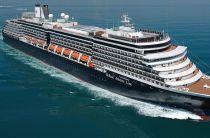
Passenger medevaced after serious injury on ms Westerdam near Da Năng
While HAL-Holland America's ms Westerdam was en route from northern Vietnam to Tien Sa Port, Da Nang, a passenger suffered a serious fall down a...
December 13, 2025 - Cruise Industry
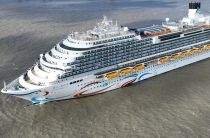
Adora Cruises adjusts early-2026 deployment across Asia
Adora Cruises has announced revisions to its itinerary plans for the first quarter of 2026, introducing a more distinct deployment strategy for its...
November 29, 2025 - Cruise Industry
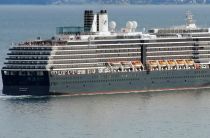
HAL-Holland America Line announces Asia 2027–2028 schedule
HAL-Holland America Line has released details of its 2027–2028 Asian season. The program introduces three new ports in Japan—Hitachinaka...
October 17, 2025 - Cruise Industry
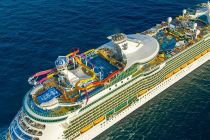
RCI-Royal Caribbean's ship Navigator OTS homeported in Singapore (2026-2027 Asia season)
RCI-Royal Caribbean International has announced that Navigator of the Seas will homeport in Singapore for the first time, introducing an extensive...
May 15, 2025 - Cruise Industry
Diamond Princess 2026–2027 Southeast Asia cruise season
Princess Cruises has detailed its 2026–2027 Southeast Asia program, featuring the Diamond Princess as the primary vessel. Operating from her...
April 12, 2025 - Cruise Industry
Princess Cruises announces 2026-2027 Southeast Asia itineraries
Princess Cruises has announced its 2026-2027 Southeast Asia cruise season, featuring an extensive range of itineraries designed to showcase the...
March 27, 2025 - Cruise Industry
Princess Cruises announces 2025-2026 seasonal itineraries from Singapore (ship Diamond Princess)
From December 2025 to February 2026, Diamond Princess ship will be homeported in Singapore for a series of 10- to 21-day roundtrips to Southeast...
October 31, 2024 - show more news